Ecologists urge scientists and policymakers to study imminent ‘Super’ El Niño to prepare for the future
Account subscription benefits alongside Premium Stories, Editorials, Opinions and more. Unlock these with Subscription
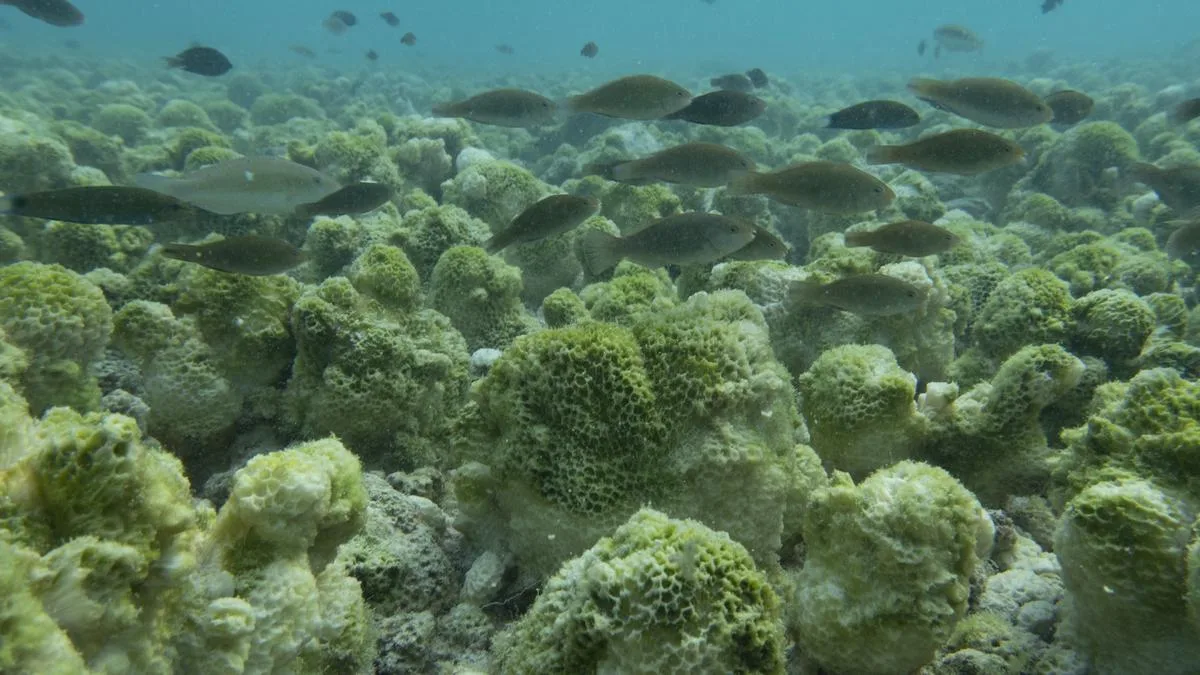
Scientists say projections report temperatures rising by up to 4°C based on reconstructions from coral cores. Photo: Special Arrangements.
As many as 188 of India’s scientists and ecologists jointly published an appeal to fellow researchers and field practitioners to prepare for the effects of upcoming El Niño — a global weather phenomenon that dampens the monsoon and leads to extreme hot and dry conditions in the subcontinent.
In the Pacific Ocean where El Niño originates, temperatures have steadily risen above the 0.5°C threshold, reaching +2.6°C in August 2026. Projections report possible anomalies of up to +4°C, which is higher than at any time in the past 1,000 years, based on reconstructions from coral cores, they said.
Over the upcoming months, the signatories warned, India’s natural systems are likely to experience a range of potentially devastating impacts as a result of El Niño. “These include widespread bleaching and mortality of coral, an increase in wildfires, and the death of large rainforest trees. With a high probability of drought and extreme heat conditions, this year’s El Niño is likely to be catastrophic for India’s farmers, fishers and shepherds as well. In addition, though, more subtle impacts on India’s nature — including delayed fruit production or changes in animal behaviour — could be equally important, but may be much less visible unless you are specifically looking for them,” they said.
With a high probability of drought and extreme heat conditions, this year’s El Niño is likely to be catastrophic for India’s farmers, fishers and shepherds as well. Photo: Special Arrangements
The ‘Call to Action’ urges scientists to take advantage of the warning signs and mobilise as a community to document and study the impact of this event on India’s nature, arguing that better science and documentation are essential to preparing India for a climate resilient future.
Jayashree Ratnam, Scientist, National Centre for Biological Sciences, said in a release: “The coming year will be a litmus test for tropical forests and trees in India. Huge forest trees may appear indestructible, but in the Western Ghats, many of them are already near the limit of the heat they can tolerate. Large trees are especially susceptible to extended droughts. Trees in cities are also vulnerable because of the urban ‘heat island’ effect. It is vital to understand how the coming El Niño will impact trees and other plants — as these are the foundations on which all other life depends.”
“I have witnessed the devastating impacts of El Niños on India’s coral reefs before, and it is heartbreaking. Coral reefs can be remarkably resilient, but they need at least a decade after every major die-back of coral to show significant recovery.
5News aggregated this summary from the outlet’s public feed. The full article, with all the context, is on www.thehindu.com — the content belongs to The Hindu - National.