India and the plausible multilateralism of BRICS
Account subscription benefits alongside Premium Stories, Editorials, Opinions and more. Unlock these with Subscription
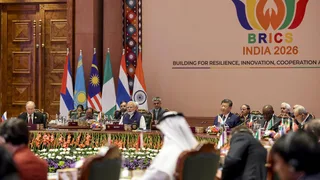
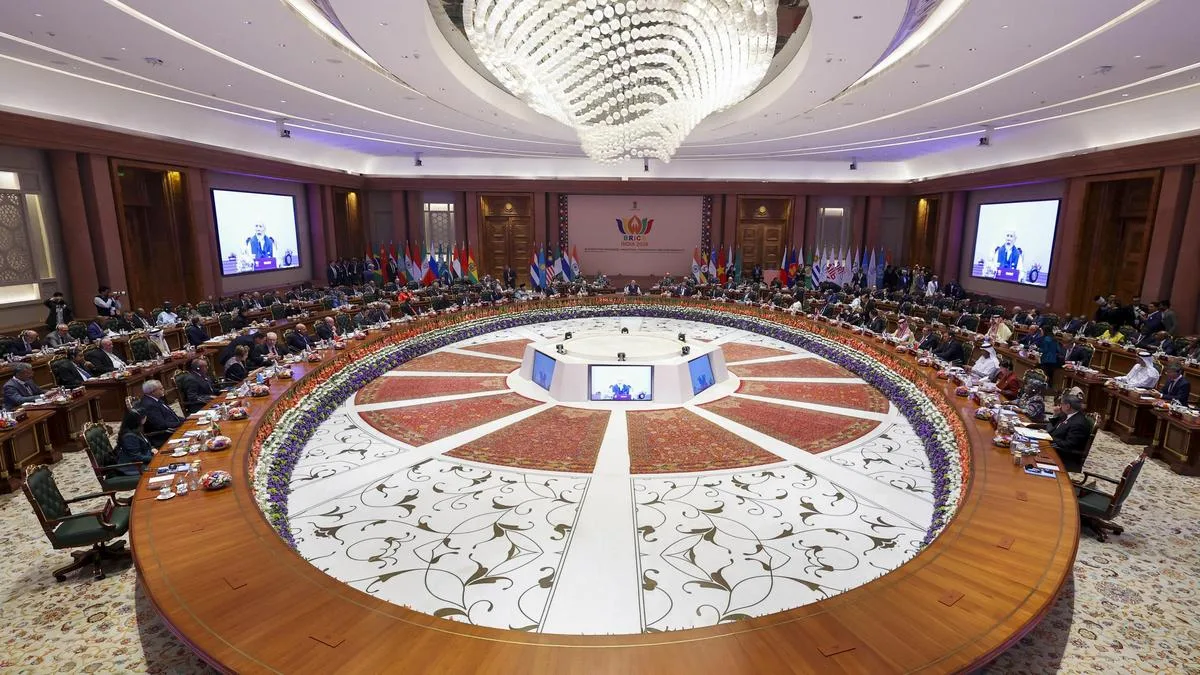
‘BRICS is not an organisation like the G-7, where American primacy and the western order are accepted by all member-countries’ | Photo Credit: PMO via PTI
BRICS gatherings always trigger heated debates in India. The primary reason is the importance that the strategic and policymaking community, comprising both optimists and sceptics, attaches to this platform, of which India is an integral pillar. While optimists argue that BRICS could function as an institution capable of multipolarising the global order, or expediting that transition, sceptics highlight the grouping’s internal divisions and worry about its possible domination by Russia and China. A third group writes off BRICS altogether, dismissing it as little more than an annual gathering that generates strategic noise. They argue that India should be wary of close association with the grouping and instead focus on preserving and expanding its partnership with the United States, which, in their view, is the only viable path to India’s rise.
The 18th BRICS summit, held in New Delhi on September 12-13, 2026, attracted greater national and global attention because of its timing and location. It was the first BRICS annual summit since the U.S. and Israel launched their unprovoked war against Iran , in India’s extended neighbourhood, on February 28, 2026. The summit, which brought together the Presidents of Iran, Russia and China, among other leaders, was hosted by India, a close strategic partner of the U.S. and Israel.
Despite its internal contradictions and the broader chaos enveloping international politics, the summit can be seen as a success on multiple levels. That New Delhi could forge a consensus among the 11 member-countries, including the United Arab Emirates (UAE) and Iran, which are involved in an undeclared conflict, was itself an achievement. The Delhi Declaration shows that, despite their differences and even disputes, member-countries continue to find value in supporting a BRICS worldview rooted in the pursuit of a more representative global order.
‘From rule-takers to rule-shapers’: PM Modi’s big pitch to BRICS leaders in welcome address
UN chief to stress multipolarity, UNSC reforms at BRICS Summit in India
The consensus was reached through compromises by all parties. Consider India’s position. Prime Minister Narendra Modi was in Israel just two days before Israel and the U.S. started bombing Iran. India initially refrained from condemning the attacks or the assassination of Iran’s Supreme Leader, Ayatollah Ali Khamenei. This created an impression that New Delhi was siding with the U.S. and Israel. India also watched from the sidelines as Pakistan seized on the diplomatic opening created by the war and stepped in as a mediator between the U.S. and Iran. But India quickly repositioned itself as a traditional balancer in West Asia.
Multilateral platforms such as the Shanghai Cooperation Organisation (SCO) and BRICS provided New Delhi with space to restore that balancing posture without causing strategic damage to its bilateral relationships.
5News aggregated this summary from the outlet’s public feed. The full article, with all the context, is on www.thehindu.com — the content belongs to The Hindu.