What’s happening at Tata? RBI shuts exit route, IPO pressure mounts on Noel Tata
The Reserve Bank of India’s decision to reject Tata Sons’ request to exit its non-banking financial company (NBFC) framework has brought India’s biggest business group closer to a mandatory IPO.
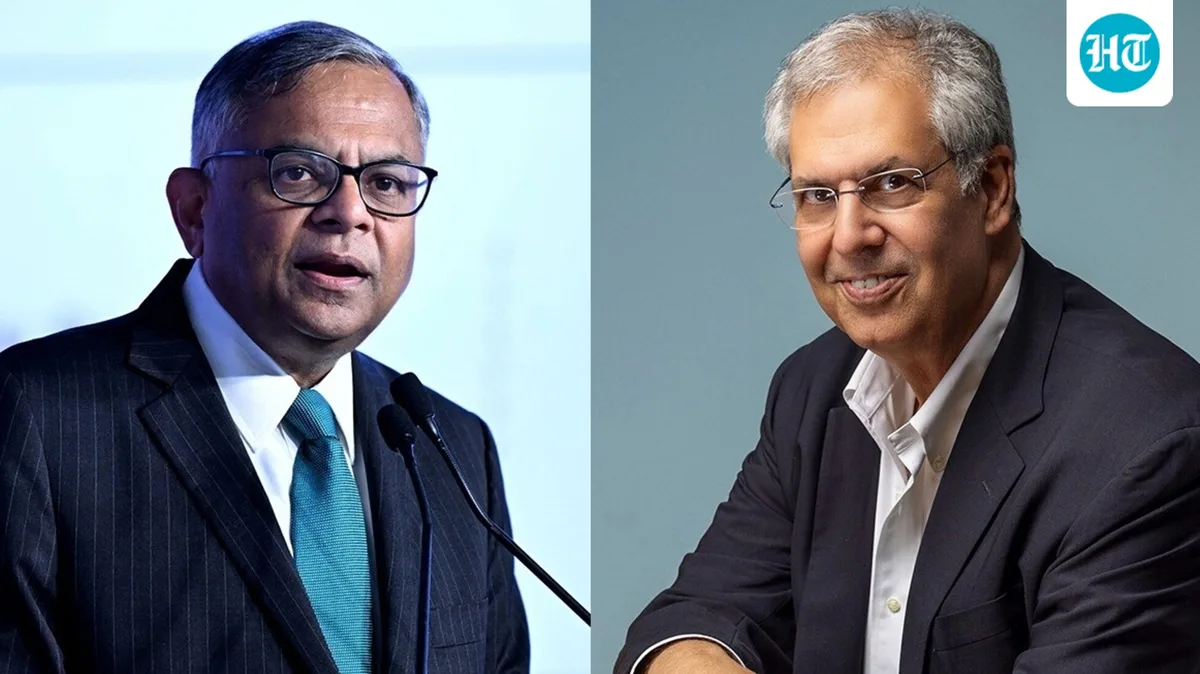
The decision makes a public listing of Tata Sons increasingly difficult to avoid. It also adds pressure to an already unsettled leadership structure at the $185-billion Tata Group, with Tata Trusts chairman Noel Tata and Tata Sons chairman N Chandrasekaran having differed over the listing issue. Here’s what is happening.
The RBI has rejected Tata Sons’ application to surrender its registration as a non-banking financial company. Tata Sons filed the application in March 2024 after taking steps to strengthen its balance sheet, including repaying more than ₹ 21,000 crore of debt.
The company wanted to exit the NBFC framework and remain privately held. The RBI’s rejection means that route is now closed, according to Bloomberg.
The central bank said Tata Sons did not meet the required criteria for deregistration, news agency PTI reported.
Tata Sons is classified as an Upper Layer NBFC. Companies in this category face stricter regulation, including a requirement to list on the stock exchanges. So, the RBI decision effectively puts Tata Sons back on the path towards a public listing.
Tata Sons is the holding company at the centre of the Tata Group. It owns significant stakes in businesses across sectors including technology, automobiles, steel, aviation, hospitality, consumer products and financial services.
ALSO READ | ‘Are we slaves?’ Why Kenya wants Tata Chemicals to ‘pack and go’ after 100 years
Its portfolio includes major Tata companies such as Tata Consultancy Services, Tata Motors, Tata Steel and Tata Power. Tata Trusts owns about 66% of Tata Sons, giving the philanthropic organisation control over the holding company.
A public listing could change how Tata Sons is governed and how much control the Trusts exercise over it.
The issue goes back to the RBI’s framework for large and systemically important NBFCs. The central bank introduced a scale-based regulatory system after the collapse of a major Indian shadow lender in 2018 raised concerns about risks spreading through the financial system.
ALSO READ | Noel Tata, TV Narendran: Who could take Chandrasekaran's mantle at Tata Sons?
In 2022, the RBI classified Tata Sons as an Upper Layer NBFC. That classification came with a three-year deadline for a stock-market listing. Tata Sons’ original deadline was September 2025.
The company did not list by that deadline because it was seeking to surrender its NBFC registration instead. The RBI kept the deregistration application pending while continuing to classify Tata Sons under the Upper Layer framework.
5News aggregated this summary from the outlet’s public feed. The full article, with all the context, is on www.hindustantimes.com — the content belongs to Hindustan Times - India News.