Sunday, 11 October 2026 SourcesAbout🌓
🇮🇳 IN ▾
BREAKING
› Ramayana makers announce worldwide release of Part 1 on November 5, 2026 with new poster featuring Ranbir Kapoor, Sai Pallavi, Ravie Dubey and Yash› FICCI Legendary Institution Builder Award 2026 presented to Ramdas M. Pai of MAHE› Are responses to rape cases in India prompt and stringent? | Data point› Ramesh Chennithala selected for this year’s A. Pachan award› Mushfiqur, Shanto give Bangladesh big lead after Mahmud, Ebadot dismantle Afghanistan› Abhishek scripts history with fastest 2,000 T20I runs, smashes 18-ball fifty› President’s visit will follow Agama rituals, say Kanaka Durga temple officials› Census 2027: Mizoram to enumerate refugees separately› Ranji Trophy: Mohammed Shami shines on return as Bengal bowl out Delhi› Toxic gas inhalation: one more fisherman dies in Kozhikode› Ramayana makers announce worldwide release of Part 1 on November 5, 2026 with new poster featuring Ranbir Kapoor, Sai Pallavi, Ravie Dubey and Yash› FICCI Legendary Institution Builder Award 2026 presented to Ramdas M. Pai of MAHE› Are responses to rape cases in India prompt and stringent? | Data point› Ramesh Chennithala selected for this year’s A. Pachan award› Mushfiqur, Shanto give Bangladesh big lead after Mahmud, Ebadot dismantle Afghanistan› Abhishek scripts history with fastest 2,000 T20I runs, smashes 18-ball fifty› President’s visit will follow Agama rituals, say Kanaka Durga temple officials› Census 2027: Mizoram to enumerate refugees separately› Ranji Trophy: Mohammed Shami shines on return as Bengal bowl out Delhi› Toxic gas inhalation: one more fisherman dies in Kozhikode
Science

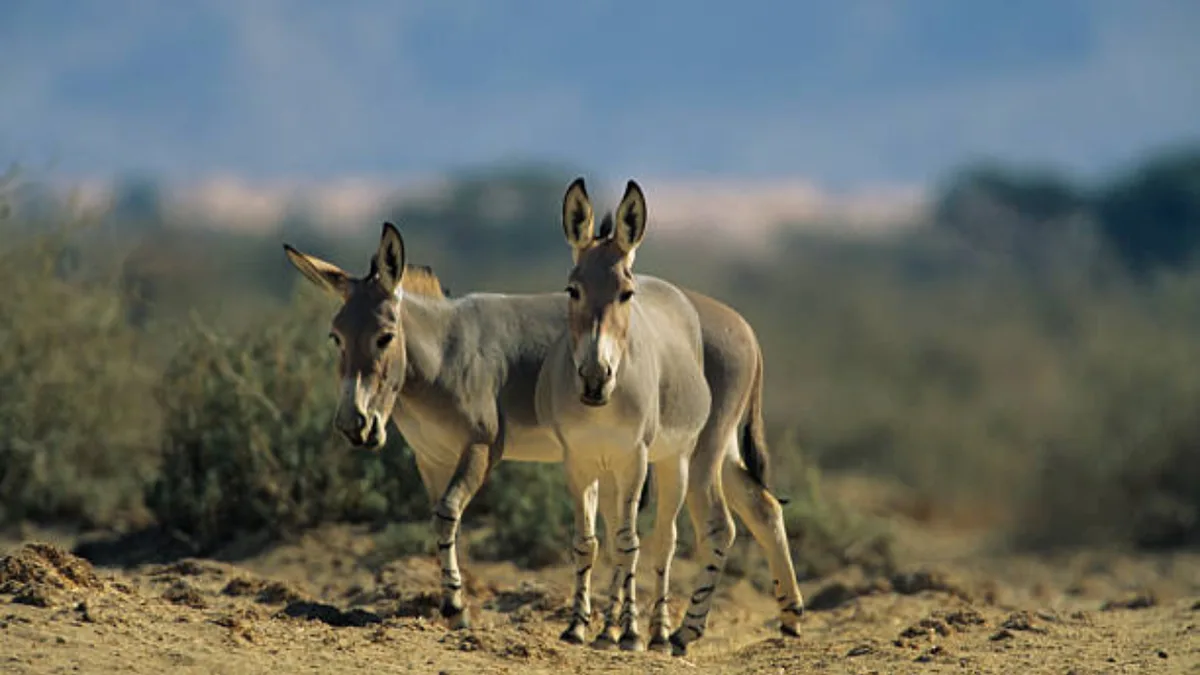
In 1982, Israel released 28 wild donkeys; 44 years later, they created a desert oasis
Times of India - Science ·
In 1982, Israel released 28 wild donkeys; 44 years later, they created a desert oasis

In an effort to rejuvenate the parched landscape of Israel's Ramon Crater, wild donkeys were brought back into the ecosystem.

These resilient animals played a crucial role by creating waterholes, which became essential for desert wildlife.

Additionally, their droppings helped spread acacia seeds, promoting the growth of trees.

Their natural movements resulted in water-retaining depressions, significantly transforming the area's ecology into a thriving environment that has caught global attention.

Read the full article on Times of India - Science ›

5News aggregated this summary from the outlet’s public feed. The full article, with all the context, is on timesofindia.indiatimes.com — the content belongs to Times of India - Science.
More from Times of India - Science

See all ›

More in Science

See all ›