Study links air pollution to death by suicide, suicidal thoughts
Account subscription benefits alongside Premium Stories, Editorials, Opinions and more. Unlock these with Subscription
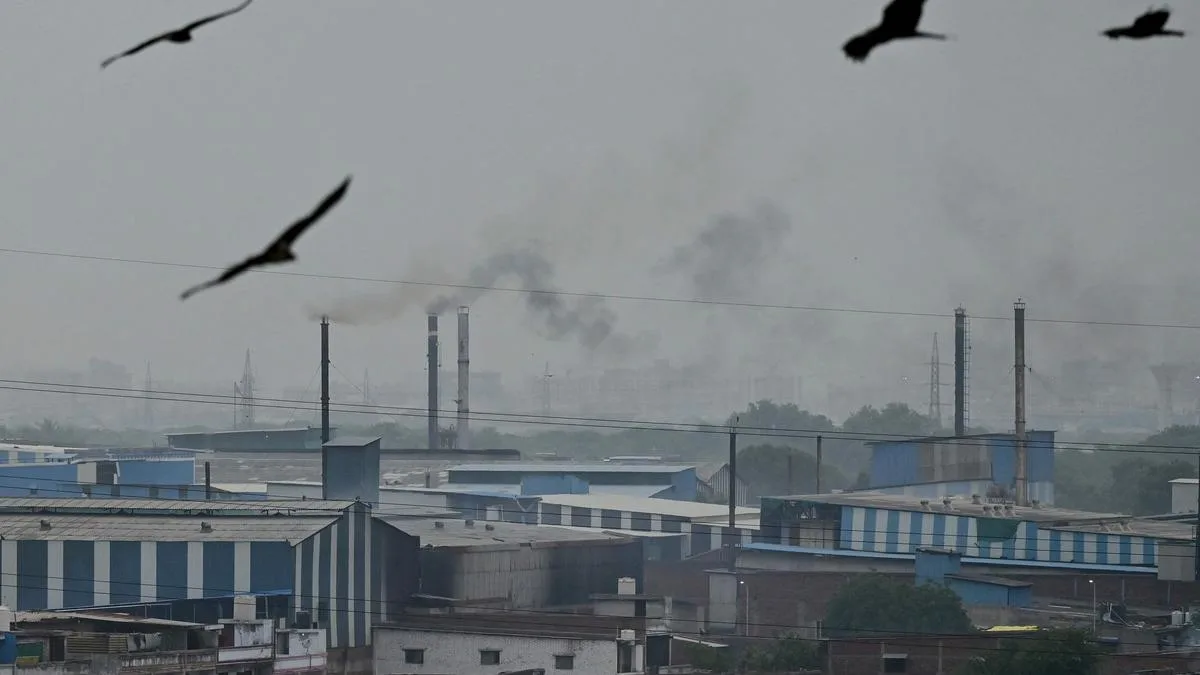
The analysis shows statistically significant positive associations between short-term exposure to PM2.5 and PM10, long-term exposure to PM2.5 and NO2, and risk of death by suicide, attempted suicide and suicide ideation,” the authors wrote |Image used for representational purpose only | Photo Credit: AFP
A review of available evidence has linked exposure to air pollutants with an increased risk of death by suicide or suicidal thoughts, with particulate matter PM2.5 and PM10 and nitrogen dioxide (NO2) posing the greatest risks.
The findings, published in the Journal of Epidemiology and Community Health , underscore the need to consider environmental exposures as potentially modifiable risk factors in suicide prevention strategies, researchers said.
The team from Queen's University Belfast in the UK analysed results from 29 studies that looked at the effects of air pollution exposure on suicide and suicidal thoughts.
The interplay of individual, biological, and contextual factors means that suicide prevention is really a public health issue, they said.
However, while the effect of environmental exposures on mental health outcomes, such as depression or anxiety, has been extensively studied, the potential role of environmental factors on the risk of suicide is less well understood, the researchers said.
"This meta-analysis shows statistically significant positive associations between short-term exposure to PM2.5 and PM10, long-term exposure to PM2.5 and NO2, and risk of death by suicide, attempted suicide and suicide ideation," the authors wrote.
Positive links might exist for other air pollutants, including sulphur dioxide and ozone, and noise pollution, the team added.
"The results highlight the importance of considering environmental exposures as modifiable risk factors in suicide prevention," they said.
The researchers explained that air pollutants and water polluted with arsenic, lead, lithium or nitrate, have been linked to neurological effects, including chronic inflammation and nerve damage, which can impair brain function and influence mood and stress resilience.
Further, traffic and other environmental noise and light pollution has been suggested in studies to increase stress levels through a disruption of the body clock, they said.
Ben Mullins, professor at Curtin University's school of population health in Australia, said the study has undertaken one of the first meta-analyses exploring the link between air pollution and suicide.
"It is well known that many air pollutants, specifically many metals, may cause wide-ranging neurological effects, including depression, anxiety, etc. Therefore, a link between air pollutant exposure and mental health disorders, including suicide, is not unexpected," Mullins, not involved with the study, said.
5News aggregated this summary from the outlet’s public feed. The full article, with all the context, is on www.thehindu.com — the content belongs to The Hindu - Sci-Tech.