UNSC membership must not be used to 'legitimise' terrorists: India
Account subscription benefits alongside Premium Stories, Editorials, Opinions and more. Unlock these with Subscription
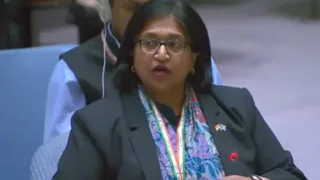
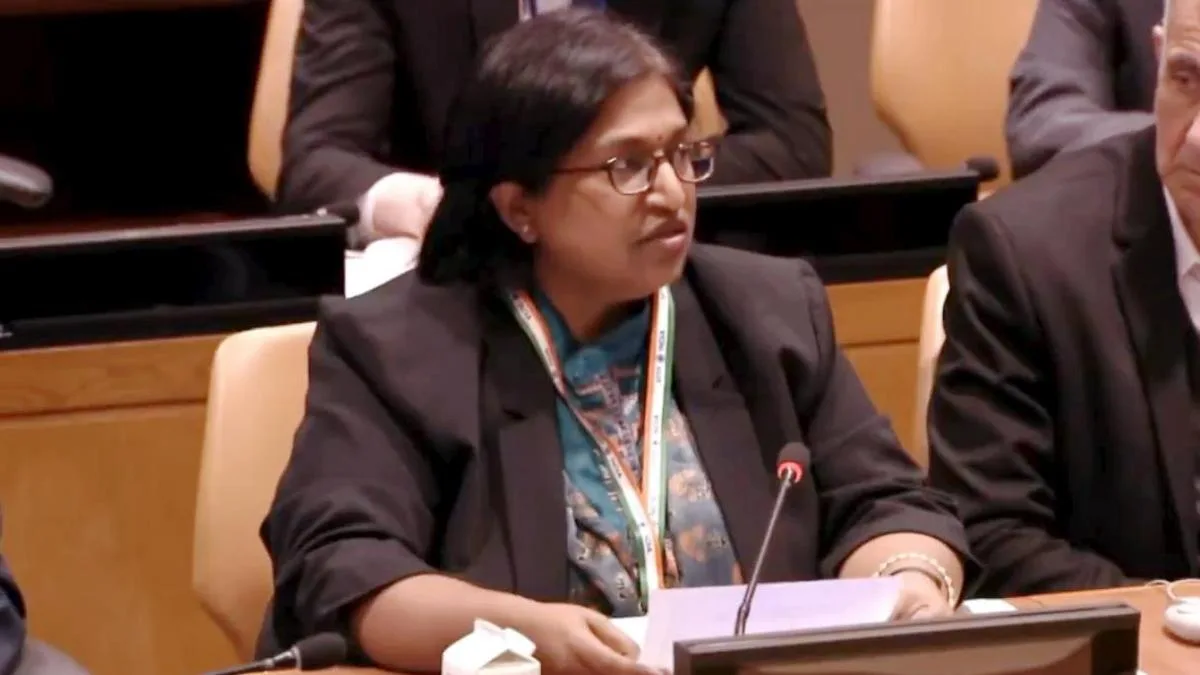
Chargé d’Affaires at India’s Permanent Mission to the UN Ambassador Yojna Patel. File | Photo Credit: PTI
Membership of the UN Security Council must not be used as a tool to "legitimise" terrorists by seeking their removal from the sanctions regime or to blacklist entities solely on "political considerations", India has said, asserting that the powerful 15-nation body must not become a platform for pursuing narrow interests.
Addressing a Security Council open debate on working methods on Wednesday (August 19, 2026), Chargé d’Affaires at India’s Permanent Mission to the UN Ambassador Yojna Patel flagged the need for greater transparency and objectivity in the listing and de-listing of terrorists and terror entities under the Council’s sanctions regimes.
“Security Council membership brings significant responsibilities. This must not become a platform to pursue narrow political interests,” she said.
“Listing and de-listing are a case in point. There must be more transparency and objectivity on this front. Presence in the Security Council must not be instrumentalised to legitimise terrorists by attempting to de-list them or to list other entities as terrorist organisations based solely on political considerations, without any objective criteria or supporting documentation,” Ms. Patel said.
India has consistently called out the opaque manner in which decisions are made under the UNSC sanctions committees on proposals to designate terrorists and terror organisations.
New Delhi has also called for greater transparency in the working of the Council’s subsidiary bodies, pointing out that while decisions on listings are made public, details relating to the rejection of proposals or their placement under technical hold remain the “exclusive preserve” of a select few.
India has in the past described such practices as a “disguised veto” and raised concerns over the functioning of the 1267 Al-Qaida Sanctions Committee in particular.
New Delhi has said evidence-based proposals to designate internationally sanctioned terrorists should not be blocked without adequate explanation, arguing that such practices undermine the Council's stated commitment to combating terrorism.
India has previously faced such hurdles in its attempts to designate Pakistan-based terrorists, with China, a permanent member of the Security Council, having placed holds or blocked some of the proposals.
India also voiced concern over the delay in finalising chairs of the Security Council's subsidiary bodies, including the 1267 Al-Qaida and Taliban sanctions committees.
Eight months into 2026, the Council is yet to finalise the chairs and vice-chairs of its subsidiary bodies, prompting India to call for urgent action.
"Subsidiary bodies serve important functions and enable better implementation of Security Council mandates. However, these bodies have not been able to deliver optimally in the recent past, primarily due to the delay in finalising the Chairs,” Ms. Patel said.
5News aggregated this summary from the outlet’s public feed. The full article, with all the context, is on www.thehindu.com — the content belongs to The Hindu.