How Indian design finds its place on the global stage
Account subscription benefits alongside Premium Stories, Editorials, Opinions and more. Unlock these with Subscription
The Indian design fraternity gears up for its busiest time of the year, bookending the festive season. From Design Democracy in Hyderabad in September to India Design ID in Mumbai in October, and finally the AD Design Show straddling November and December across Bengaluru, Mumbai and Hyderabad. What does Indian design truly mean when materials, global design movements and markets meet in the middle?
Earlier this year, at 3DaysofDesign in Copenhagen, Indian designers confidently presented on the theme ‘Substance Over Surplus’ and ‘Make this Moment Matter’. The showcase featured 572 exhibitors from over 37 countries, with 894 events all across the city.
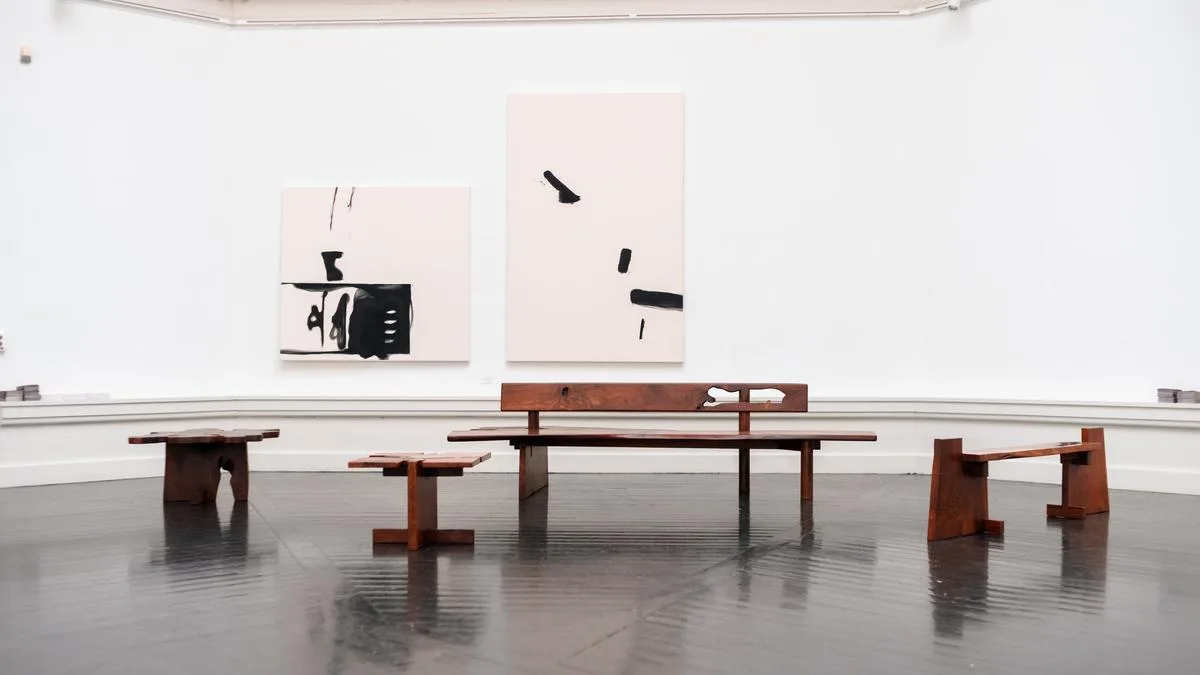
From India, Studio PALLAVI, Kaikale, Amaresh Anand Designs x Magari, Naraina Studio, Morri Design, Marokk Tiles and Malai.eco presented a range of furniture and objects. Their collective showcase painted a picture of Indian design in a global context, where materiality, sustainability and the life of design objects, are intricately and inexorably intertwined.
We spoke to Signe Byrdal Terenziani, managing director and CEO of 3 DaysofDesign, and Pamaljeet S. and Srishti Y. of Punjab-based Studio PALLAVI. The studio represented the country at this year’s showcase on how Indian design and its unique material memory add to the global design space in 2026. Edited excerpts:
Terenziani: Creators and makers from India demonstrated that craftsmanship can inform the entire design process. We saw this in the work of Kaikale, where classic Indian carpentry merged with Scandinavian design principles. The featured work was manufactured with coconut, a non-forest timber, reflecting a cultural view that ‘every part of the tree finds a place in daily life’.
Amaresh Anand Designs x Magari referenced the monumental columns of Hampi’s temples and the stunning colour palette of traditional Channapatna lacquer work. Narania Studio launched their new India Collection with handmade ceramic tiles, using glazes from local artisans. Not to mention the initiatives on display as part of Material Matters, such as Malai Biomaterials, grown from coconut waste.
Pamaljeet: This year’s theme spoke the same language as us of slowing down, enjoying the present and really value what matters in the long run. It helped us [Studio PALLAVI] get an insight into how the global audience reacts to our craftsmanship, widened our outlook of how perceptions change, and what connects with people irrespective of ethnicity.
Can the experience of objects reveal layers of craftsmanship, championing design aesthetics of unique craft languages?
Terenziani: The important thing is to create opportunities for people to understand the thinking, culture, people and craftsmanship behind the objects.
5News aggregated this summary from the outlet’s public feed. The full article, with all the context, is on www.thehindu.com — the content belongs to The Hindu.