US Army to spend $2 bn to build nuclear microreactors at 5 military bases
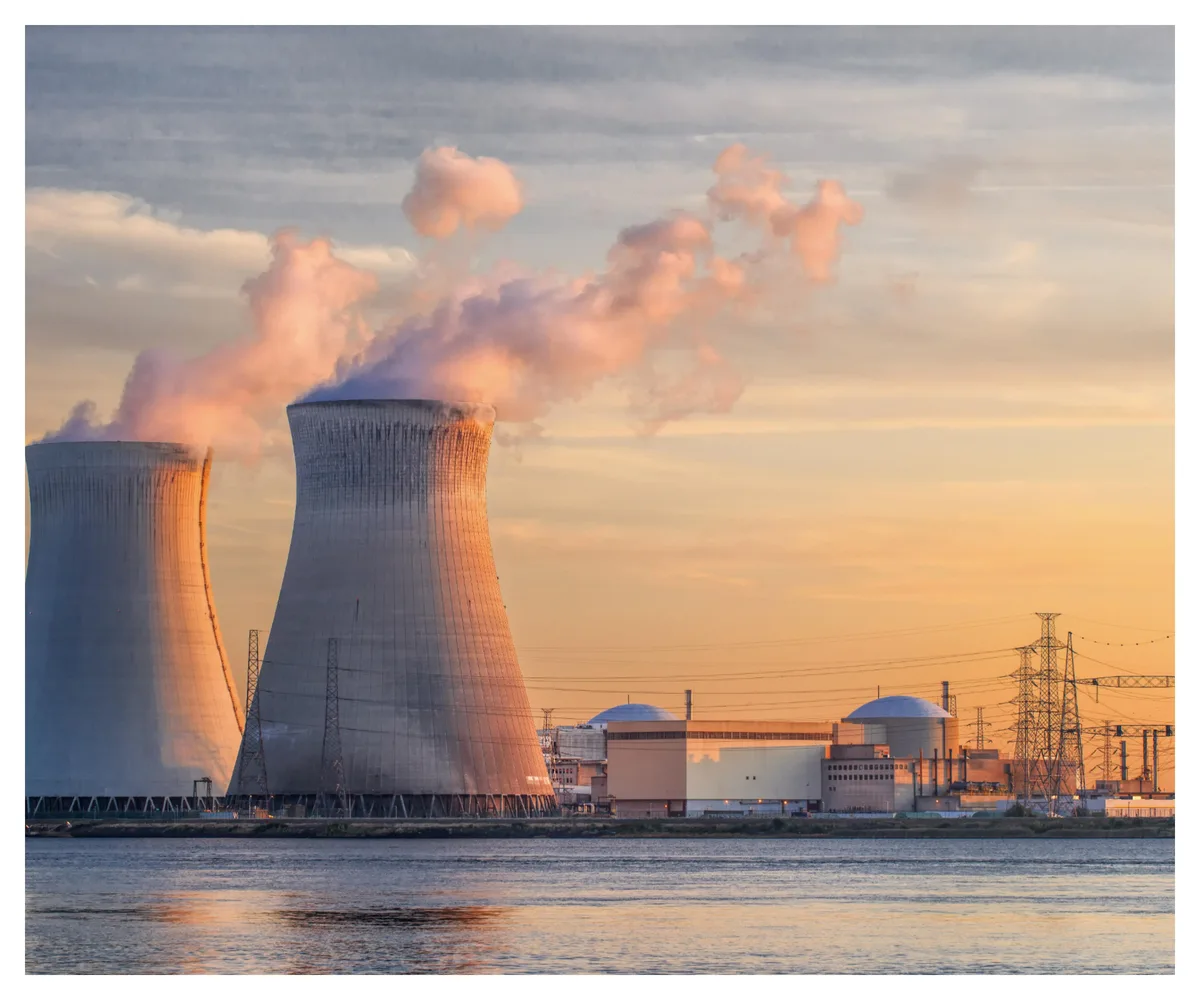
Five companies selected by the Army will be awarded up to $2.2 billion in total over five years to own, construct and operate the microreactors | Photo: Shutterstock
The US Army announced Wednesday that it plans to add nuclear microreactors at five military bases from New York to Texas as a reliable source of energy independent of the commercial electric grid.
The announcement comes as the Trump administration pushes hard to develop the next generation of nuclear power, including billions in loans for large nuclear reactors to meet skyrocketing power demand from data centers and a pilot program to boost advanced reactor designs and projects for military and civilian use. No nuclear microreactors are supplying power to the commercial electric grid in the United States today.
Five companies selected by the Army will be awarded up to $2.2 billion in total over five years to own, construct and operate the microreactors, if they hit set milestones along the way for their performance. The Army expects that more than 20 nuclear microreactors will be built and operated.
Army and industry officials say microreactors offer a resilient power source for critical infrastructure at military installations in case the grid fails. Reactors can run for years without refueling.
Army Secretary Dan Driscoll said the awards will accelerate the military's ability "to deliver safe, reliable baseload power directly to our installations. We are building the energy resilience necessary to project combat power globally, without relying on potentially vulnerable external grids," he said.
The grants are part of the Army's "Janus Program" launched last year to deliver next-generation nuclear energy. Officials hope to push nuclear development forward so that advanced reactor designs move beyond experiments and prototypes to provide power for years to come. This will be the "spear tip," said Jeff Waksman, principal deputy assistant secretary of the Army for installations, energy and environment.
"That is the transition that we are trying to effect here," he said on a call with reporters Wednesday. "These are not meant to be Army-specific designs." Critics of building more nuclear reactors say they're too expensive and riskier than other energy sources. Waksman said these reactors will shut down safely in case of a failure, they're small and the Army wouldn't add them to installations without being certain they are safe. He said the Army is working on a deal with the Energy Department to remove radioactive waste, and there won't be any long-term storage on these installations.
Army leads the military's adoption of nuclear energy President Donald Trump signed executive orders in May 2025 to speed up the development of nuclear power. The Army was tasked with ensuring that an advanced reactor would start operating at a domestic military installation no later than Sept 30, 2028. The Janus program is named for the ancient Roman god of transitions.
Officials know that delivering nuclear power to a military base will be a challenge, so they picked five companies in case one or more fail, Waksman said.
5News aggregated this summary from the outlet’s public feed. The full article, with all the context, is on www.business-standard.com — the content belongs to Business Standard.