Mumbai’s Vile Parle Cypher is giving unheard rappers a voice
Account subscription benefits alongside Premium Stories, Editorials, Opinions and more. Unlock these with Subscription
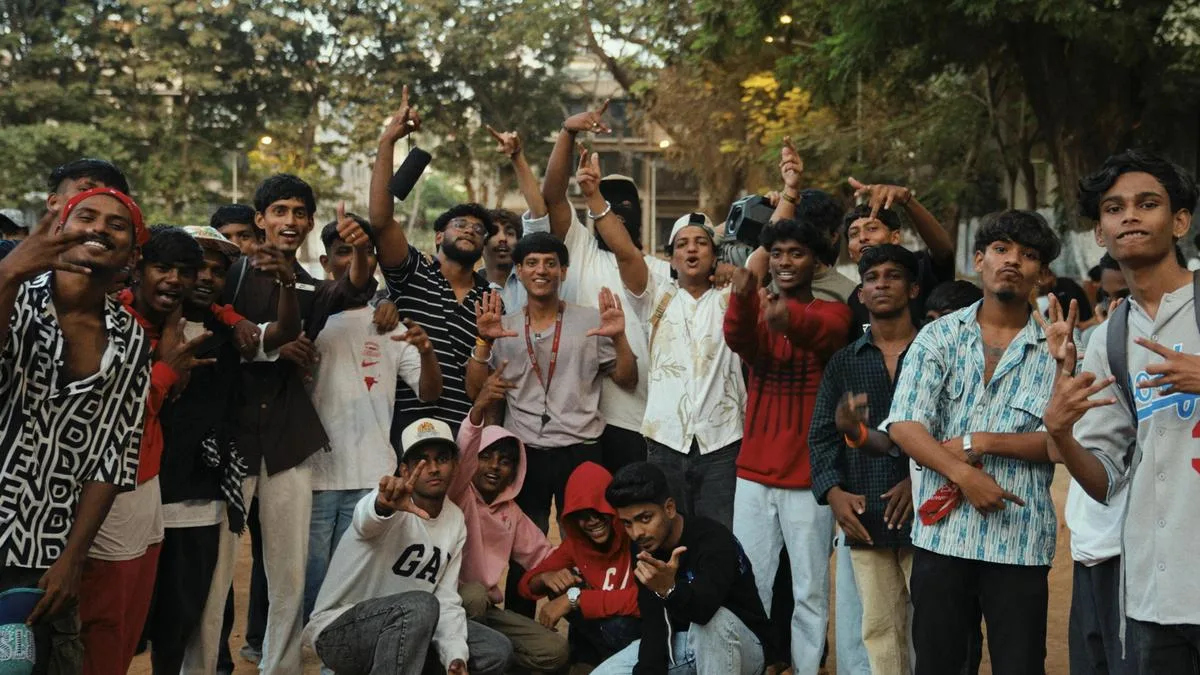
“Delivery boys, milkmen, labourers and rickshaw drivers, who listens to them?” Unreleased , a documentary about the Vile Parle Cypher, directed by Mumbai -based filmmaker Imran Shamsi, begins with this question. As the film cuts through the tightly packed alleyways of the city, it reveals where these struggles break free and the mind is without fear: at Dubhashi Ground on Saturday evenings.
The Vile Parle Cypher, founded by Kuldeep Jaswant Singh Chandaliya, known by his stage name Deep/Psy, is a grassroots rap and hip-hop movement. The freestyle community is open to all, with participants travelling from as far as Assam and Nepal to attend its sessions.
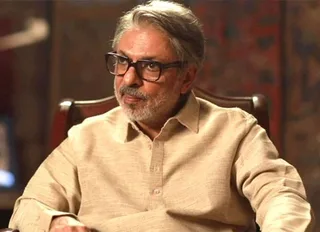
Kuldeep Jaswant Singh Chandaliya, founder of Vile Parle Cypher | Photo Credit: SPECIAL ARRANGEMENT
Performances are recorded on smartphones and posted on the Instagram handle @vileparlescene. Unreleased , released on YouTube in August, traces the collective’s evolution through the raps and experiences of its performers and audience.
Imran, founder and director of STRT91, a cultural media platform, says he initially went to the cypher, an informal gathering of rappers, beatboxers, or breakdancers, to shoot an Instagram Reel. “A colleague of mine sent a rap video from Vile Parle and I thought about doing a 90-second video about the scene. In fact, when I left my office, I told my colleagues that I would return in half an hour. But I left the cypher after eight hours,” says Imran over a call from Mumbai. “However, I didn’t know that it was going to be a documentary. I just wanted to keep listening to them.”
Kuldeep says, “We began this cypher because whenever we attended sessions across the city, we didn’t get any priority. Our videos wouldn’t be recorded or posted. So that’s when we decided to start something of our own. I never thought that it would grow so much.”
Around 70 cyphers have been organised since its inception. “Rap allows us to say what is in our hearts. It also allows us to speak about things, and this way people would listen to us,” says Kuldeep.
The themes stood out to Imran. “People usually flex a lot when they rap. However, this can get monotonous, and I was sick of it. These performers, however, were flexing their vulnerability and talking about things not working out for them. They talk about missing their mothers, not being dealt a fair hand in life and the politics in the country,” says Imran, adding, “being heard is of value to them. With social media, not everybody can earn everyone’s attention. The performers attend the cyphers so that they can be heard by more people and get discovered,” says the filmmaker, pointing out that many of them come from financially disadvantaged families and work as gig workers and daily-wage labourers.
The documentary delves into the rappers’ identities, which they introduce through their pin codes. “They come from a certain pin code and travel to an area with a different code. It gives them a sense of identity and belonging. They don’t want to be identified by their religion, caste or profession.
5News aggregated this summary from the outlet’s public feed. The full article, with all the context, is on www.thehindu.com — the content belongs to The Hindu - Entertainment.