Delhi SIR deadline ends, nearly 1 in 2 Tughlakabad voters face deletion risk
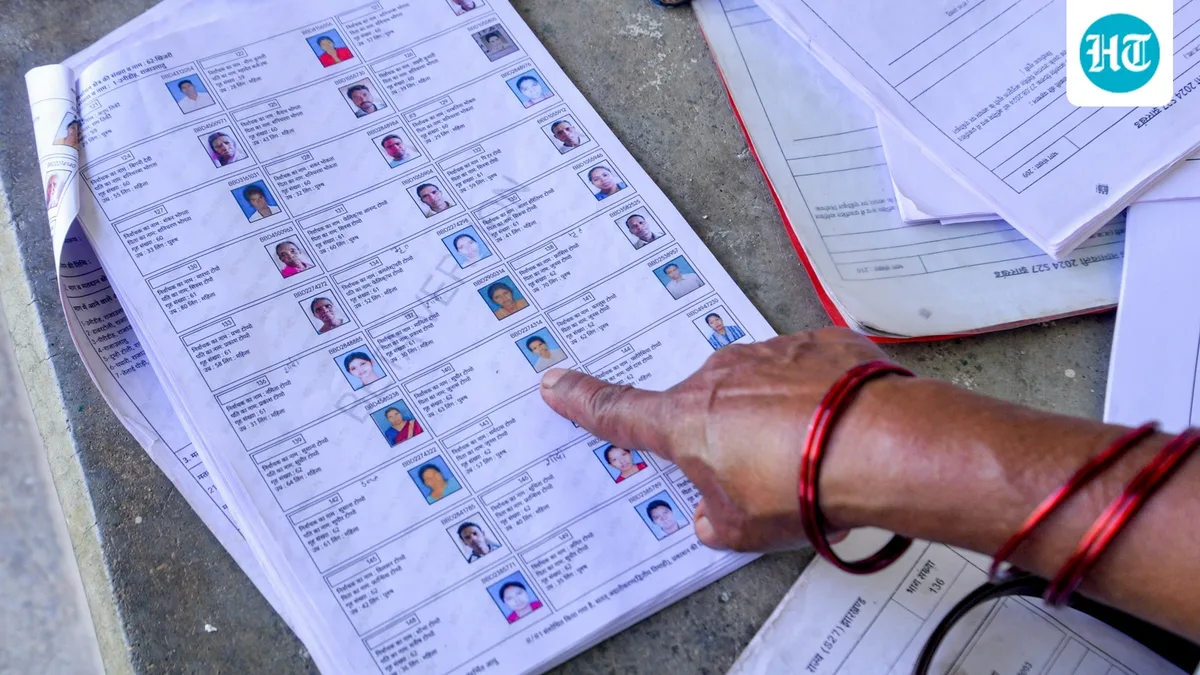
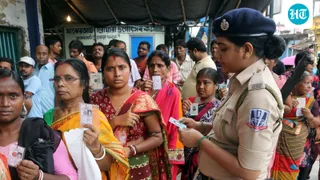
Roughly one in three voters in Delhi faces the risk of deletion from the electoral list after the first phase of the special intensive revision closed on Monday with official data showing that the assembly constituency of Rohini was set to fare the best and Tughlakabad the worst.
When the first phase of SIR — where people were given partially pre-filled forms by election officials to draw a link to the 2002 base roll — began on June 30, Delhi had a total of 14,510,299 electors.
Data shared by Delhi’s chief electoral officer till 8pm showed that around 4.76 million voters, or 32.82%, face the risk of deletion when the draft rolls are published on August 24.
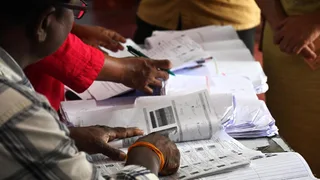
This means that the forms of these 4.76 million people have not yet been digitised when the deadline for the first phase lapsed on Monday.
Electors identified as absent or shifted will have to file applications during the claims and objections period to have their names included in the final electoral roll, scheduled to be published on October 27. Telangana published its draft voter list on Monday while the first phase of SIR also closed in Karnataka and Maharashtra.
“The deadline is till midnight. Some forms are still in the phase of digitisation. The final figures will be known on Tuesday,” said an election official aware of the matter.
To be sure, the 32.8% deletions likely in Delhi at the draft stage are not very different from deletions in other metro cities at this point in the controversial exercise. Chennai and Kolkata saw 35.6% and 25.1% deletions at the draft stage respectively. Bengaluru (the rural and urban district taken together) is set to record around 37% deletions, according to data from the Karnataka CEO as of August 16.
ALSO READ | Successful SIR led to high voter turnout in 2025 Bihar polls: CEC
According to CEO data, data from all 70 assembly constituencies showed that 125,470 of Rohini’s 150,398 electors, or 83.43%, had their forms digitised.
According to data shared by the chief electoral officer’s office, Outer North district had the largest proportion of its forms digitised (75.68%) as of 8pm on August 17.
West district followed with 73.29%, south-west with 73.16%. North-east and north-west also recorded relatively high digitisation rates of 70.94% and 70.89%, respectively.
South-east recorded the lowest digitisation rate among Delhi’s 13 districts, with only 56.32% of its 1.55 million enumeration forms digitised. New Delhi followed at 60.76%, while south and central recorded 61.32% and 61.96%, respectively. Overall, 9.74 million of the 14.5 million enumeration forms had been digitised, taking the city’s cumulative digitisation rate to 67.18% by 8pm on August 17.
Tughlakabad had digitised 100,323 forms, out of 192,419 electors, or just 52.14%. That means nearly one in every two electors in Tughlakabad faces the risk of deletion from the electoral roll.
ALSO READ | SIR exercise in Mohali :1 lakh voters flagged for logical discrepancies, 84,000 still unmapped
5News aggregated this summary from the outlet’s public feed. The full article, with all the context, is on www.hindustantimes.com — the content belongs to Hindustan Times - India News.