New luxury car or a pre-owned one? Here’s what depreciation, maintenance and financing mean for your wallet
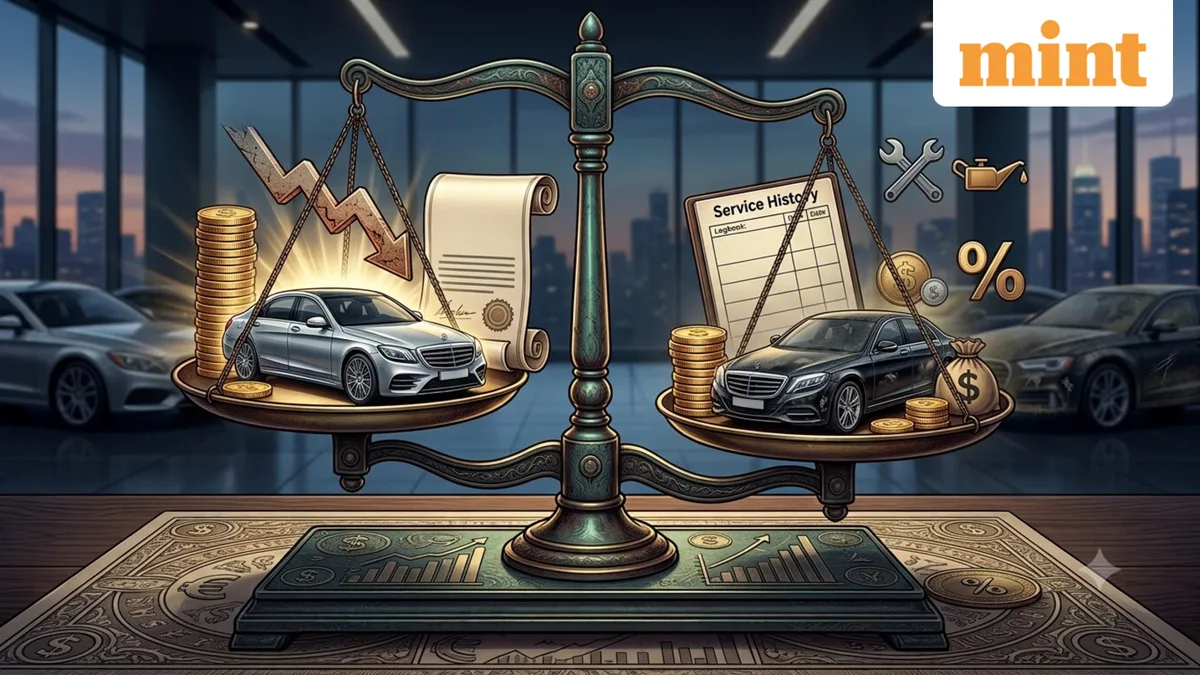
Buying a luxury car often starts with a simple question of which model fits the budget. But there is another decision that can have a much bigger impact on the buyer’s finances, whether to buy the car new or choose a pre-owned model.
A new luxury car offers a full warranty, a clean ownership history and greater certainty about its condition, but the buyer also absorbs the steepest depreciation in the early years. A pre-owned car can offer a much more expensive model at a lower price, but the saving can be offset by higher financing costs, maintenance, repairs and limited warranty cover. The real comparison, therefore, is not just the price of the car today but what it will cost to own and eventually sell.
“The purchase price is not the best way to make this decision. What matters more is the total cost of ownership over the years the car is held,” said Thomas Stephen, Director & Head - Preferred, Anand Rathi Share and Stock Brokers.
A buyer should account for depreciation, financing costs, insurance , servicing, warranty coverage and the eventual resale value of the car, he said.
A pre-owned luxury car can look attractive because the first owner has already absorbed a substantial part of the initial depreciation. However, the amount a buyer actually saves depends on the model, age, mileage, condition and service history.
“There is no single age or mileage that makes a luxury car financially attractive in the pre-owned market. It depends on the brand, model, depreciation pattern, condition and service history,” said Uttam Agarwal, CBO, Bajaj Capital.
A well-maintained three-year-old car with a complete service history and some warranty remaining can be a very different proposition from an older luxury car that is being sold cheaply.
The biggest mistake a used-car buyer can make is to treat the difference between the new and pre-owned prices as the actual saving.
“Potential repairs are better factored into the overall ownership budget rather than assuming the car will only incur routine service costs,” Agarwal said.
Luxury cars can have significantly higher repair and replacement costs than mass-market vehicles. Buyers should therefore check the service history, insurance records, warranty coverage and condition of the vehicle before purchasing it.
Stephen said buyers should also account for tyres, brakes, batteries, suspension components and other wear-and-tear items. These expenses may not occur every year but can result in large bills when they do.
A certified pre-owned car with an active or extendable manufacturer warranty can help reduce some of this risk, subject to the manufacturer's terms, Stephen said. For an out-of-warranty vehicle, buyers should maintain a contingency fund for unexpected repairs.
Used-car loans generally carry higher interest rates than new-car loans. A buyer who chooses a pre-owned vehicle should therefore compare the total interest payable over the loan period rather than looking only at the EMI .
Insurance also needs to be considered.
5News aggregated this summary from the outlet’s public feed. The full article, with all the context, is on www.livemint.com — the content belongs to LiveMint - Money.