Telangana SIR: Why will 92 lakh electors receive notices? | Explained
Account subscription benefits alongside Premium Stories, Editorials, Opinions and more. Unlock these with Subscription
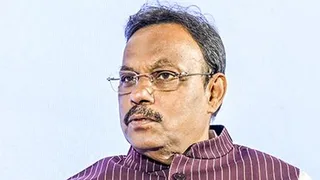
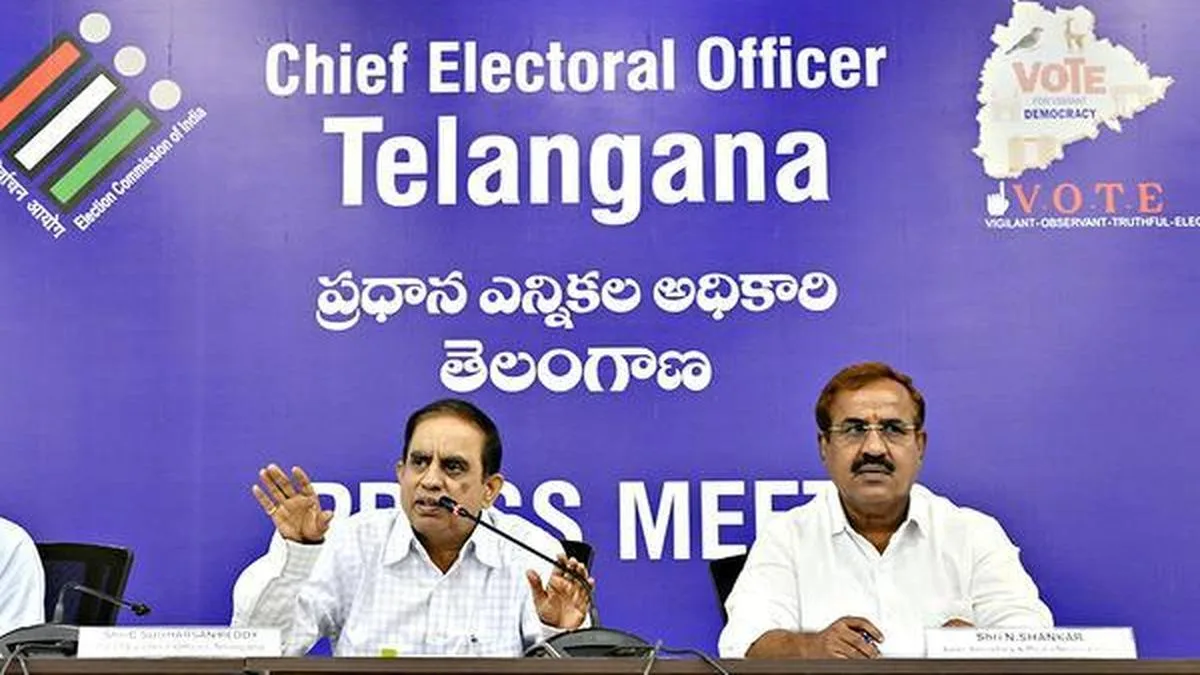
Chief Electoral Officer of Telangana C. Sudarshan Reddy addresses a press conference on the draft publication of the electoral roll for SIR-2026 in Hyderabad on August 17, 2026. | Photo Credit: Nagara Gopal
The Special Intensive Revision (SIR) of Electoral Rolls began in Telangana on June 15, 2026. After 10 days of preparation, training and printing of Enumeration Forms (EFs), the Enumeration Phase was officially kick-started on June 25, 2026, with the initial deadline of July 24, 2026.
The process involved 33 District Election Officers, 119 Electoral Registration Officers, 892 Assistant Electoral Registration Officers, 35,985 Booth Level Officers (BLOs) and 3,590 BLO supervisors, for distribution and collection of the EFs from 3,38,26,448 electors who were on the Electoral Rolls of 2025.
Post two extensions , first up to August 3, and then up to August 10, the draft electoral rolls were published on August 17.
Only 2,64,87,213 electors (78.3%) could make it to the draft electoral rolls . A total of 73,39,235 (21.7%) names were deleted from the list, under Absent, Shifted, Deceased, and Duplicate (ASDD) categories, besides others.
Of the electors who have figured on the draft rolls, a total 92,87,577 (35%) are set to receive notices from the EROs, as revealed by the Chief Electoral Officer C.Sudharshan Reddy on August 17, 2026. Of these, 60,50,918 will receive notices for anomalies/logical discrepancies, while 32,36,659 will receive them for not being mapped with the 2002 SIR.
The CEO, Telangana has listed 11 kinds of anomalies/ logical discrepancies. They are:
One prominent reason for high number of anomalies/logical discrepancies is unofficial addition of another anomaly. The name mismatch of the actual elector between draft rolls and previous SIR is not mentioned in this list, but it is being considered as a significant anomaly by the CEO’s office. During 2002 SIR, names of several electors were allegedly misspelt or shortened. Over several Special Summary Revisions, and introduction of full names on Aadhaar cards later, the names mentioned in the current list have undergone modifications. Many allege that the list still has mistakes in names and ages, besides discrepancies when compared with 2002 SIR rolls. The CEO stated that even minor differences such as initials instead of full name will invite notices.
Several voters also filled in the top two sections of the EF, which seek details of the electors and relatives from 2002 SIR, with the details available on current Electoral Photo Identity Cards. BLOs in urban areas, unlike their rural counterparts, were not very active on field to explain the process or help the electors with the mapping.
Of the unmapped voters, a total 23,05,799 (71%), are from the 24 constituencies in four districts forming part of the capital region.
Of the 73,39,235 electors marked as ASDD, the figures of death, at 9,22,229 are reliable as they are supported by death certificates uploaded as proof.
5News aggregated this summary from the outlet’s public feed. The full article, with all the context, is on www.thehindu.com — the content belongs to The Hindu - National.