The evidence gap in dole politics
Account subscription benefits alongside Premium Stories, Editorials, Opinions and more. Unlock these with Subscription
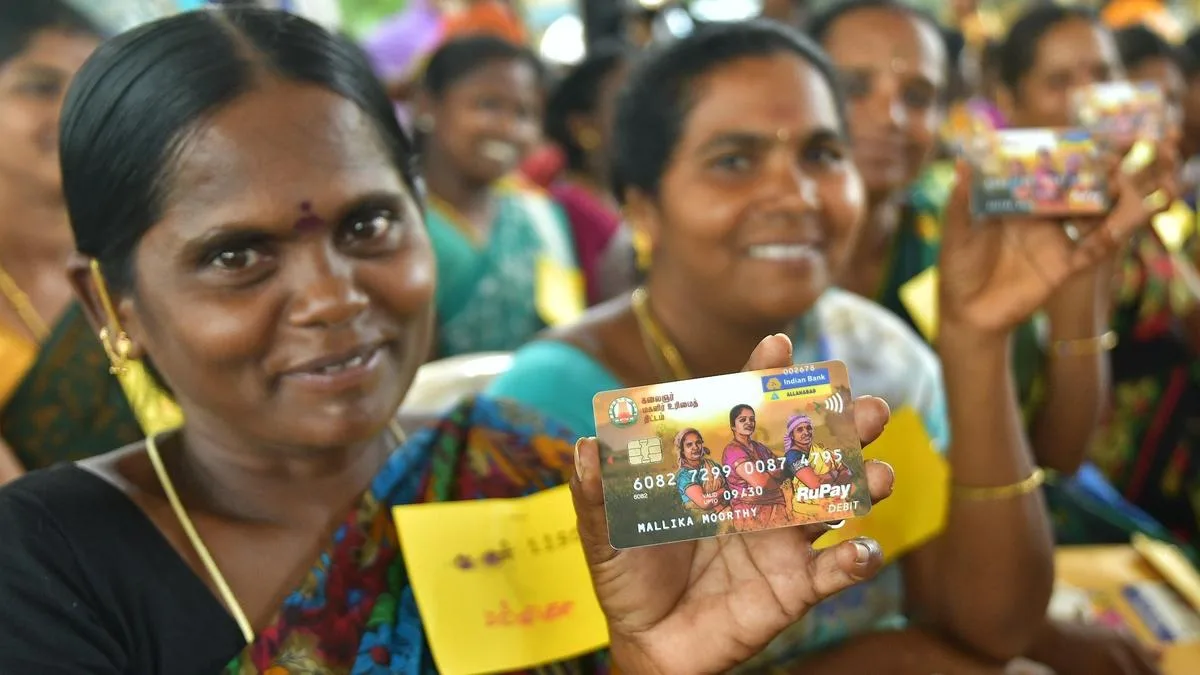
Tamil Nadu allocated ₹14,412 crore for the Kalaignar Magalir Urimai Thogai in its 2026–27 interim budget. File | Photo Credit: E. Lakshmi Narayanan
In May 1795, English magistrates met at the Pelican Inn in Speenhamland, Berkshire. With food prices rising and the French Revolution unsettling the English establishment, they decided to top up agricultural wages from parish funds, linking payouts to bread prices and family size. Hungarian economic historian Karl Polanyi later saw this as an early assertion of a human “right to live” against the harshness of the market.
Critics, however, held a different view. Once wage support, relief for the poor, and public finance were folded into one instrument, it became unclear what the system was protecting: poor families, the wage structure, employers, or social peace. By subsidising wages from public funds, the Speenhamland system blurred price signals and weakened incentives. While relief could be justified, the instrument still had to be judged by its effects. India’s dole politics must now face the same test.
Cash support can indeed be essential in a poor, informal economy. The Economic Survey 2025-26 notes that transfers to women amount to 11-24% of the monthly income of women daily-wage workers, and 11-87% of self-employed women. But a transfer that begins as relief can also become a permanent fiscal commitment unless there is a clear account of who receives it, what it changes, and what it displaces.
These concerns assume importance because dole politics is now a regular feature of Indian statecraft. It appears as free electricity, free bus travel, monthly cash transfers, subsidised food, and utility subsidies.
PRS Legislative Research estimates that unconditional cash transfers to women alone rose from two States in 2022-23 to 12 states in 2025-26, with an estimated annual cost of ₹1.68 lakh crore (about 0.5% of GDP). For example, West Bengal has moved from Lakshmir Bhandar to Annapurna Yojana , budgeting ₹36,000 crore for a ₹3,000 monthly transfer to about 1.3 crore women. Tamil Nadu allocated ₹14,412 crore for the Kalaignar Magalir Urimai Thogai in its 2026–27 interim budget, and Assam set aside ₹5,000 crore for Orunodoi . Such schemes stake major claims on State finances.
Cash may improve welfare, but it should not become a substitute for the public goods that make welfare durable. The same woman who values ₹1,500-₹3,000 may also need a functioning health centre, childcare, a good government school, or access to better work. A cash transfer may soften the strain created by weak institutions, but it cannot, by itself, address them.
Governments often attach lofty social purposes such as dignity and empowerment to these transfers, but rarely publish the model that links payments to outcomes.
5News aggregated this summary from the outlet’s public feed. The full article, with all the context, is on www.thehindu.com — the content belongs to The Hindu.