BRICS backs local currency transfers, flags ‘indiscriminate’ tariffs and sanctions
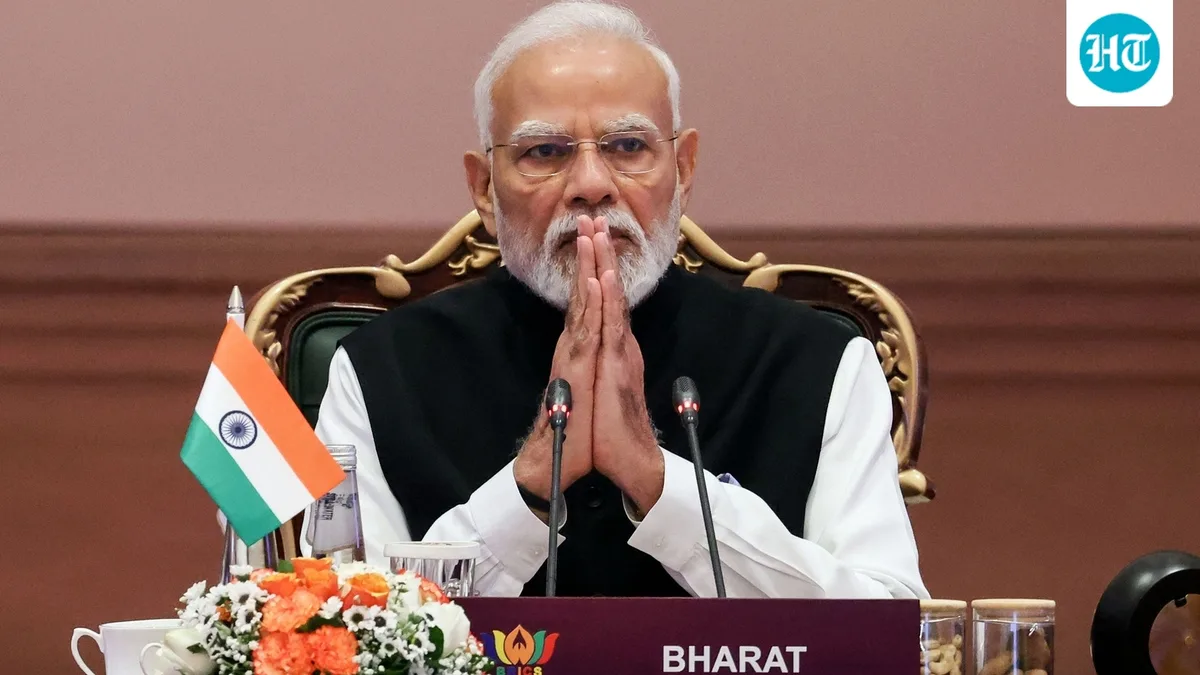
Brics’ New Delhi Declaration on Saturday condemned unilateral coercive measures such as economic and secondary sanctions, opposed discriminatory trade practices such as the carbon border tax, and sought practical solutions for cross-border payments in local currencies.
Leaders acknowledged that the multilateral trading system was at a crossroads because of trade-restrictive actions, including the “indiscriminate rising of tariffs and non-tariff measures” and “protectionism under the guise of environmental objectives” — a reference to instruments like the European Union’s carbon border adjustment mechanism (CBAM).
The declaration did not name any country or grouping for such violations of multilateral rules, but the allusion is unmistakable to recent tariff actions by the US government and the carbon levy imposed by developed European nations.
The US and the EU have imposed economic sanctions against Russia and Iran, freezing assets worth billions of dollars, and imposed penal tariffs on third countries — so-called secondary sanctions — for buying energy from them. India itself faced a 25% punitive tariff in August 2025 for purchasing Russian crude oil and American lawmakers are poised to debate a bill that court further penalise the country as well as China.
The CBAM is a levy on carbon-intensive imports such as cement, aluminium, fertilisers, chemicals including hydrogen, and iron and steel, applied mainly on goods from developing countries. Developing-country exporters could face additional duties of up to 35% in European markets under CBAM, making their merchandise uncompetitive, experts have said.
Such actions, the declaration said, threaten “to further reduce global trade, disrupt global supply chains, and introduce uncertainty into international economic and trade activities, potentially exacerbating existing economic disparities” and negatively affect prospects for global economic development.
“We voice serious concerns about the rise of unilateral tariff and non-tariff measures which distort trade and are inconsistent with WTO rules,” the document said.
5News aggregated this summary from the outlet’s public feed. The full article, with all the context, is on www.hindustantimes.com — the content belongs to Hindustan Times - India News.