DA hike: How your Dearness Allowance component in salary is taxed, explained
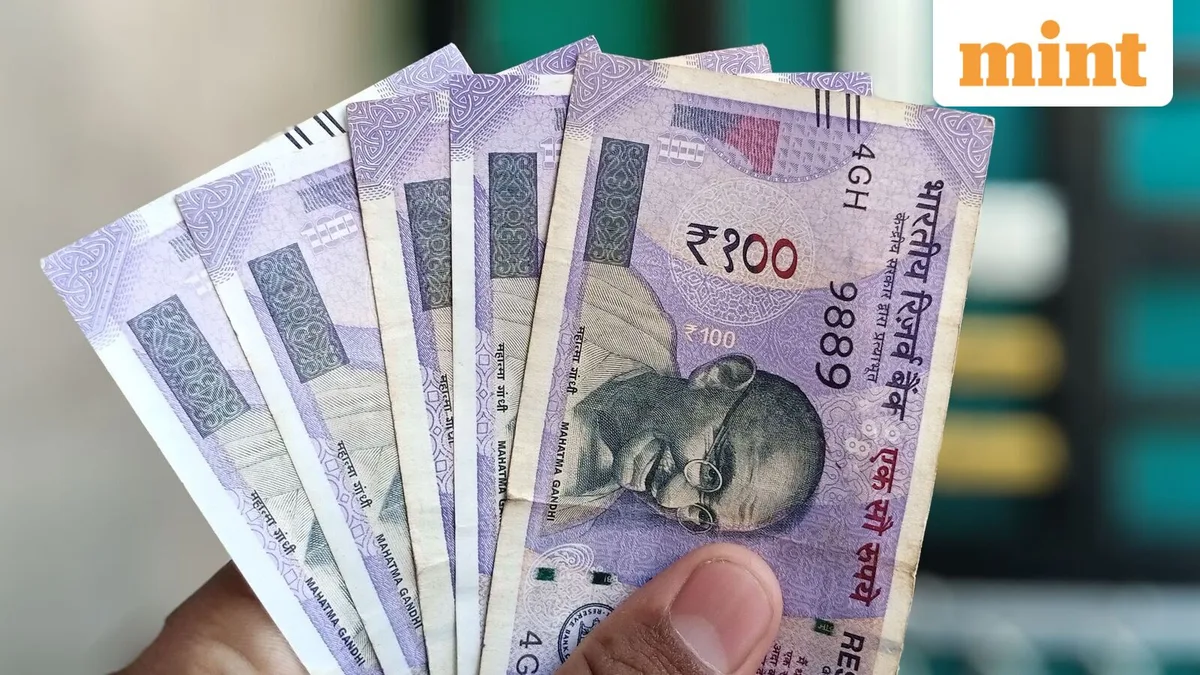
Dearness allowance and dearness relief (DA and DR) is a percentage of the basic salary component for central government employees and pensioners. It is aimed at mitigating the impact of inflation and is adjusted bi-annually.
Announcements usually come in March and October, with rollouts in July the same year and January in the next year, respectively. Beneficiaries include more than 1 crore workers — about 50 lakh central government employees and around 65 lakh pensioners , including defence and railway personnel and retirees.
Notably, while lakhs of employees and pensioners receive DA, many are unsure of how it is credited, taxed, and reported on their income tax returns. Thus, today we explain if DA is subject to income-tax , and whether it must be reported in your income tax returns filing and more.
DA is part of an employee's cost-to-company ( CTC ) and is credited as part of the monthly salary for central government employees. As per the ministry, payment on account of DA involving fractions of 50 paise and above may be rounded off to the next higher rupee and the fractions of less than 50 paise may be ignored.
Thus, as part of your CTC or pension payout, DA is subject to income-tax in its entirety and taxed as per your applicable income slab rate. Taxpayers are required to report DA separately in your I-T returns (ITR) as per tax rules.
Notably, DA was official raised by 2% in April this year, taking it from 58% to 60% of basic salary, with effect from 1 January 2026. In the following months, the Indian Banks' Association ( IBA ) announced revised DA and DR for workmen and officer employees across levels for the months of May, June and July 2026. And later, the Indian Railways also announced a 2% DA and DR hike for its personnel.
Since then, multiple state governments have also increased DA and DR to close gaps in payment with the central government.
As for the second announcement, employees and pensioners were expecting a 3-4% DA hike in July based on data from the Labour Bureau's All India Consumer Price Index for Industrial Workers (AICPI-IW).
However, with July now long past, they could still see another hike sometime in the second half of the year. Considering precedent in the last two years — a 3% DA hike in October 2025 and hike announcement before Diwali in 2024, beneficiaries could expect a “Diwali gift” sometime in October or November this year as well.
5News aggregated this summary from the outlet’s public feed. The full article, with all the context, is on www.livemint.com — the content belongs to LiveMint - Money.