China opposes U.S. sanctions bill, says will not accept 'long-arm jurisdiction'
Account subscription benefits alongside Premium Stories, Editorials, Opinions and more. Unlock these with Subscription
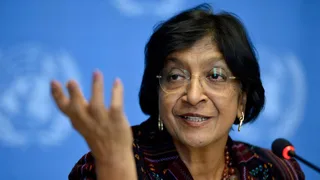
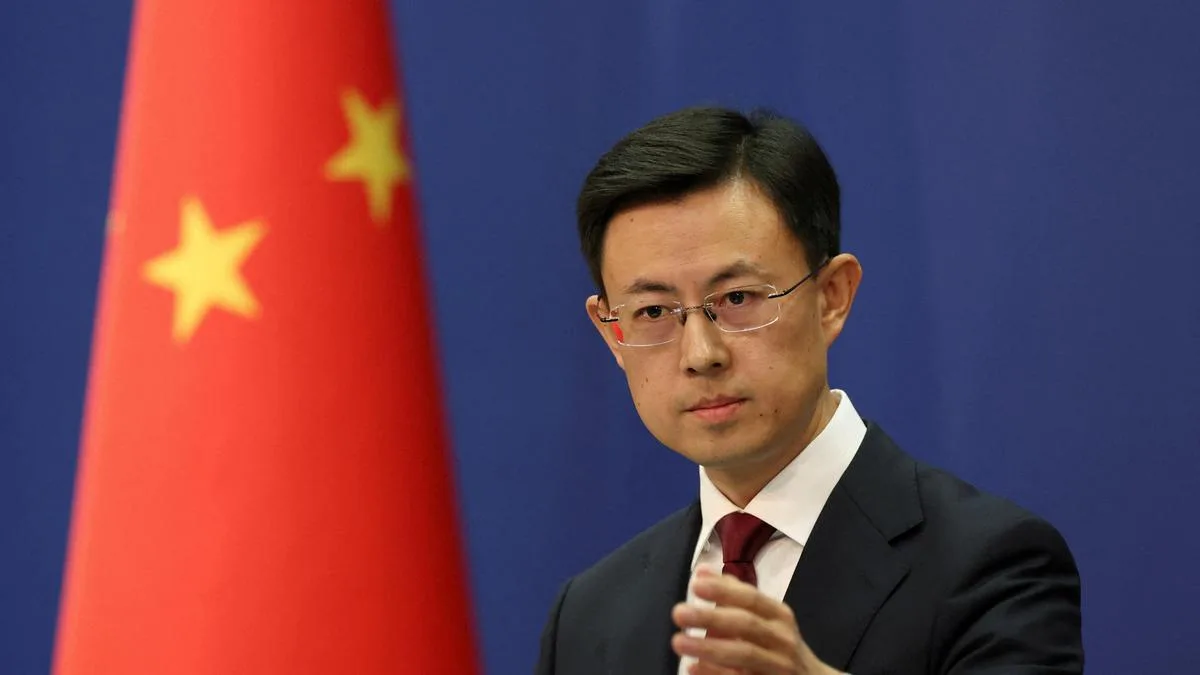
Chinese Foreign Ministry spokesperson Guo Jiakun told a media briefing in Beijing that China opposes any action that lacks UN Security Council authorisation. File. | Photo Credit: Reuters
China on Thursday (September 17, 2026) rejected the U.S. “long-arm jurisdiction” to impose tariffs on purchases of Russian oil and gas, saying its normal trade and economic cooperation with other countries should not be subject to interference or coercion by third parties.
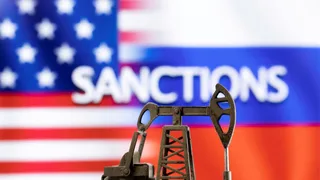
The U.S. House of Representatives passed the Lindsey O Graham Sanctioning Russia and Iran Act 2026 that authorises Mr. Trump to impose sanctions on Russia and steep tariffs on its leading trading partners such as India and China.
Asked about the bill, Chinese Foreign Ministry spokesperson Guo Jiakun told a media briefing in Beijing that China opposes any action that lacks UN Security Council authorisation.
“China engages in normal economic and trade cooperation with other countries on the basis of equality and mutual benefit”, Mr. Guo said.
“Such cooperation does not target any third party and shall be free from disruption or coercion from any third party. China opposes long-arm jurisdiction and unilateral sanctions that have no basis in international law and lack UN Security Council mandate”, he said.
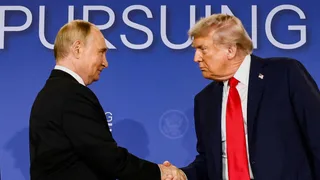
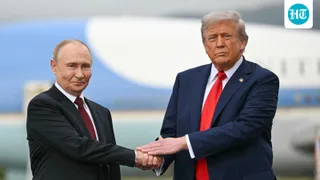
China reiterated its opposition to any tariff linkages to buying oil and gas from Russia ahead of Chinese President Xi Jinping’s planned visit to Washington next week for a summit meeting with Mr. Trump.
The summit, expected to be held from September 24-25, will be their second summit this year.
Mr. Trump visited Beijing in May this year and held extensive talks with Xi.
Meanwhile, the Chinese Commerce Ministry on Thursday (September 17, 2026) said Beijing and Washington are in talks to reach an agreement on a reciprocal tariff regime.
China and the U.S. are holding consultations on a reciprocal tariff reduction framework arrangement that would cover $30 billion worth of products from each side, the ministry said.
Economic and trade teams from both countries are earnestly carrying out the consensus reached by the two heads of state during their meeting in Beijing.
The aim of the consultations is to reach a reciprocal tariff reduction arrangement at the earliest possible date, ministry spokesperson Huang Ling was quoted as saying by state-run Xinhua news agency.
5News aggregated this summary from the outlet’s public feed. The full article, with all the context, is on www.thehindu.com — the content belongs to The Hindu - International.