8th Pay Commission: How current Dearness Relief rules work and what central govt pensioners demand

The 8th Pay Commission’s three-day visit to Chandigarh is set to conclude on Friday, 18 September. Currently, the panel continues its consultative discussions with eligible employee unions, pensioners, associations, and other stakeholders.
Following today's meeting, the 8th Pay Commission will prepare for another key set of meetings in Bengaluru on October 7 and 8, 2026. The last date to submit official documentation in the prescribed format to sit for the Bengaluru meeting is today.
Even though no specific agenda was decided for today’s meeting, salary revision and fitment factor remain major issues; pensioners' organisations have also sought changes in how Dearness Relief (DR) is revised and paid, along with a host of other critical changes related to pension payments and reforms.
Here is a look at the current DR rules for central government pensioners and the key changes sought by pensioner and employee organisations before the 8th Pay Commission.
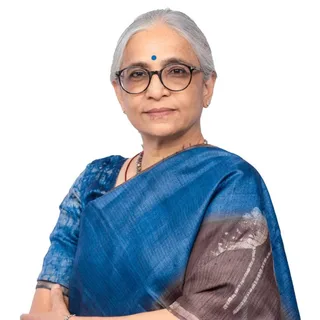
The 8th Pay Commission is a temporary body. It was constituted by the central government on 3 November 2025, with an 18-month mandate. The commission has three members. Justice Ranjana Prakash Desai is its chairperson, Pulak Ghosh is a part-time member, and Pankaj Jain is the member-secretary.
As of today, the 8th Pay Commission panel has completed more than 10 months of its allocated time. During this period, the commission has held numerous meetings in key locations across the country, including Delhi, Ladakh, West Bengal, Odisha, and Uttar Pradesh.
Continuing the same trend, the commission looks to wrap up its 3-day visit to Chandigarh today and then head to Bengaluru on October 7-8. The aim of the commission is to ensure comprehensive participation by eligible stakeholders and to maintain a transparent, democratic discussion process.
The Central Pension Accounting Office (CPAO)'s pension payment framework categorically states that DR is payable to eligible central government pensioners. This includes family pensioners at rates notified by the central government from time to time. Based on the same, banking institutions calculate the amount and credit it along with the pensions .
It is vital to note that treatment in such cases can differ for pensioners who take up employment again. Generally, when a retired pensioner secures reemployment, they cannot draw DR during the entire period of re-employment. This, however, is subject to several exceptions and stipulations.
Family pensioners may continue to receive DR on family pension while employed, subject to the applicable government rules and conditions.
If a pensioner has a Basic Pension of ₹ 40,000 and has not commuted any pension, then:
All these metrics are utilised holistically to calculate the Dearness Relief granted to pensioners.
Note: The demands discussed above are indicative; for complete details, refer to the official memorandum submitted by the respective union.
Prominent pension organisations and associations have placed several proposals before the 8th Pay Commission.
5News aggregated this summary from the outlet’s public feed. The full article, with all the context, is on www.livemint.com — the content belongs to LiveMint - Money.