Alzheimer’s blood tests are advancing diagnosis. What can they really tell us?
Account subscription benefits alongside Premium Stories, Editorials, Opinions and more. Unlock these with Subscription
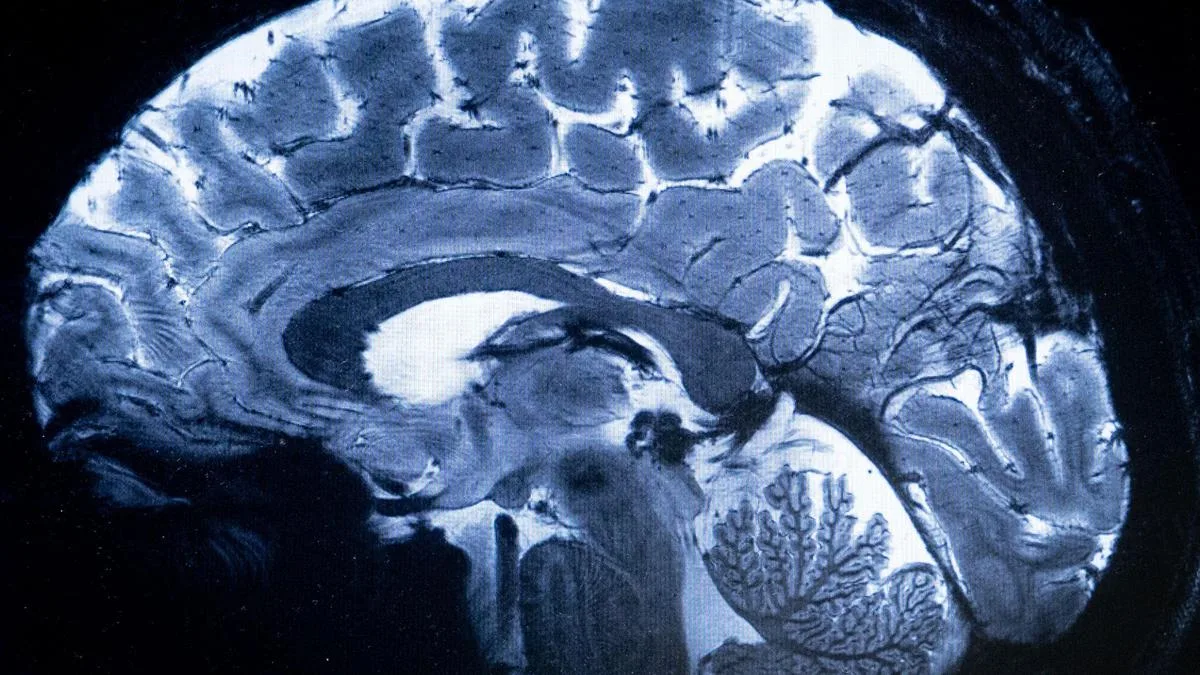
For now, the important question is not simply whether a blood test is positive or negative, but what the result means in the context of the person’s symptoms, clinical assessment and the specific test used. | Photo Credit: AFP
Changes in the brain linked to Alzheimer’s disease can begin years before memory and other cognitive symptoms appear. Blood-based biomarkers offer a less invasive way to detect some of these biological changes. These include phosphorylated tau (p-tau), such as p-tau217 and p-tau181, and amyloid-beta measures such as the Aβ42/Aβ40 ratio . However, these tests do not directly measure memory loss, brain-cell loss or the severity of cognitive impairment.
Tau is a protein found in nerve cells. In Alzheimer’s disease, abnormal tau is linked to the formation of neurofibrillary tangles. The build-up of amyloid-beta is another biological change associated with the disease.
Blood tests do not directly detect plaques or tangles in the brain. They measure proteins or changes in proteins in the blood that can reflect processes taking place in the brain.
“ P-tau217 has shown the strongest diagnostic performance among the available blood biomarkers for detecting Alzheimer-related pathology, especially when combined with simultaneous measurement of the beta-amyloid proteins,” said Srikanth Srinivasan, senior consultant, neurology and specialist in neuropsychiatry, Apollo Hospitals, Greams Road, Chennai.
“These tests are emerging tools for detecting biological changes associated with Alzheimer’s,” said Prabash Prabhakaran, director and senior consultant, neurology, SIMS Hospital, Chennai.
A positive result from a well-validated test makes Alzheimer’s-related pathology more likely. But it does not mean that a person has Alzheimer’s dementia. “Alzheimer’s disease pathology and clinical dementia are not the same thing,” Dr. Srinivasan said. A person can have Alzheimer’s-related changes in the brain without significant problems with memory or thinking.
A blood biomarker gives information about disease biology, not a timetable for dementia.
A positive result cannot tell when symptoms will begin, how quickly cognitive decline may occur or whether an asymptomatic person will necessarily develop dementia. Risk is influenced by factors such as age, genetics, vascular health, cognitive reserve and other brain pathologies.
“The test must not be interpreted as a countdown to dementia,” Dr. Prabhakaran said.
It also cannot establish that Alzheimer’s is responsible for all of a person’s cognitive symptoms, as mixed brain pathologies are common in older people.
A negative result lowers the likelihood of Alzheimer’s-related pathology, but does not rule out every other cause of cognitive impairment.
Blood biomarkers are currently used mainly in people with objectively documented cognitive impairment who are being evaluated to determine its cause.
5News aggregated this summary from the outlet’s public feed. The full article, with all the context, is on www.thehindu.com — the content belongs to The Hindu - Sci-Tech.