US law gives Trump power to impose 100% tariffs on India, China over Russian oil
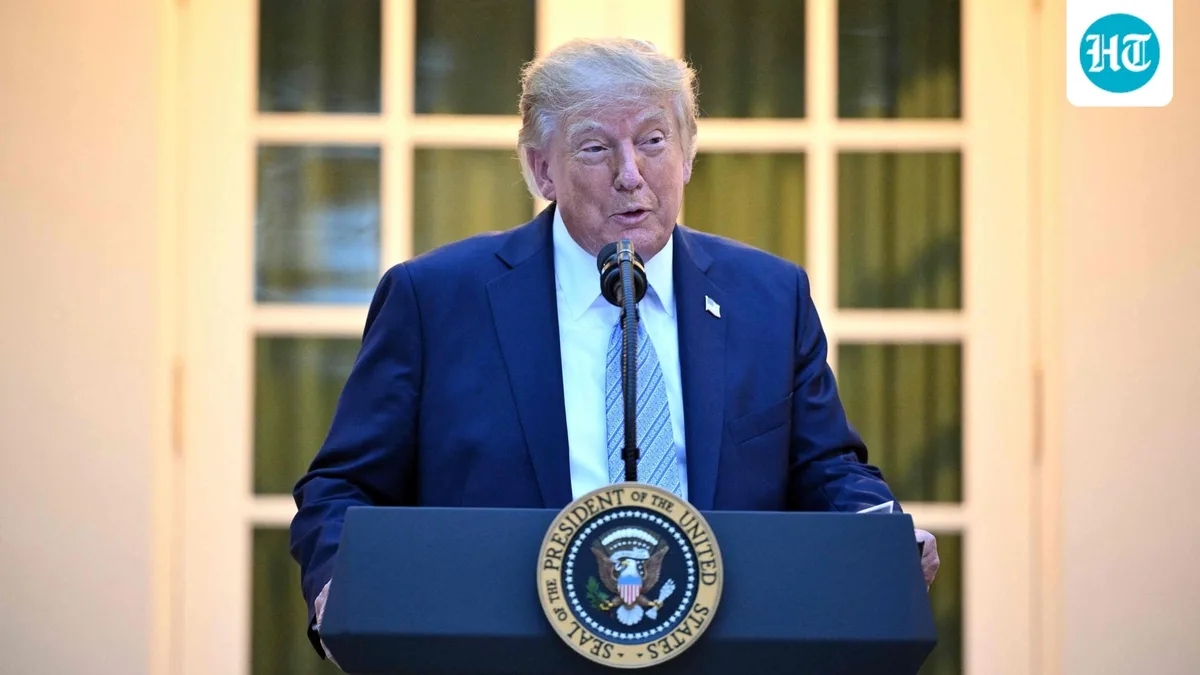
US President Donald Trump on Friday signed the Lindsey O Graham Sanctioning Russia and Iran Act of 2026 into law, acquiring congressionally backed authority to impose tariffs of up to 100% on goods from the five largest buyers of Russian oil — a list that by current import volumes includes China and India.
The law gives Trump a tariff instrument his broader trade campaign has lacked. His sweeping duties on global trade have relied on executive powers — first under the International Emergency Economic Powers Act, which the Supreme Court struck down in February, and then under Section 122 of the Trade Act, which carries a 150-day expiry. The new law faces neither constraint. Once in effect, it gives the president durable, congressionally authorised power to penalise buyers of Russian energy.
India had warned on Thursday, hours after the House passed the bill, that it was determined “to take all necessary measures to protect its trade and economic interests.” The external affairs ministry said the legislation’s implications — “for not just the bilateral relationship but also the international energy market” — had been “very clearly articulated” to US interlocutors at high levels in recent months.
To be sure, Trump has yet to announce a new tariff rate under these powers.
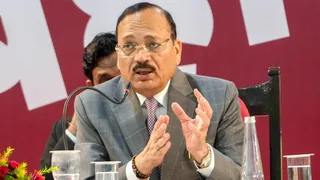
On Saturday, Union minister of state for external affairs Kirti Vardhan Singh reiterated India’s position. “We have our own independent foreign policy. We will not follow any country,” he told news agency ANI, adding that the government would “take every strong step for the strength and stability of our country, our population of 140 crores.”
Also read: India says Russia sanctions bill threatening 100% tariffs can impact US ties, global energy market
China too responded on Saturday, in similar language to India’s statement on Thursday, with the ministry of commerce saying it reserved the right “to take all necessary measures” to firmly safeguard China’s interests, “as well as the legitimate and just rights and interests of Chinese companies.”
The law does not name any country. It tasks the US Trade Representative , in consultation with the Secretary of State and Secretary of Energy, to identify the five largest importers of Russian crude oil and natural gas by total volume over the preceding 12 months, with the list reassessed every 180 days. The tariff rate, up to the 100% ceiling, is at the president’s discretion; the law does not compel him to act. It also includes an exemption for countries whose Russian natural gas imports account for less than 15% of Russia’s total gas exports and that are “taking significant steps” to reduce those imports — a provision that shields several European nations but offers no protection to India or China.
But the bill’s backers have left little doubt about where the pressure is aimed. “To China and India: You better clean up your act.
5News aggregated this summary from the outlet’s public feed. The full article, with all the context, is on www.hindustantimes.com — the content belongs to Hindustan Times - India News.