Sunday, 11 October 2026 SourcesAbout🌓
🇮🇳 IN ▾
BREAKING
› Amazon Great Indian Festival 2026: Best Washing Machine Deals› New Zealand’s 1904 bridge survived replacement and became a historic landmark› Nepal cuts 12 year wait, to declare those missing in flood 'dead' after 45 days› Jackie Chan’s dollar-by-dollar school campaign raises over $192,000 for rural Chinese children› SIR stir: 'Kashmir model' in Delhi, situation akin to Emergency, says opposition› RBI steps in to support rupee as forex reserves dip $52bn in a month› Tim Kennedy health update: Ex-UFC fighter stable at Walter Reed after deadly Congo ambush› Anxiety treatable, but 83% of affected did not get help› Understand, don't just hear out a child in conflict with law: CJI› 'Tata bye-bye': 2-term BJP MP quits party over Rajya Sabha ticket snub› Amazon Great Indian Festival 2026: Best Washing Machine Deals› New Zealand’s 1904 bridge survived replacement and became a historic landmark› Nepal cuts 12 year wait, to declare those missing in flood 'dead' after 45 days› Jackie Chan’s dollar-by-dollar school campaign raises over $192,000 for rural Chinese children› SIR stir: 'Kashmir model' in Delhi, situation akin to Emergency, says opposition› RBI steps in to support rupee as forex reserves dip $52bn in a month› Tim Kennedy health update: Ex-UFC fighter stable at Walter Reed after deadly Congo ambush› Anxiety treatable, but 83% of affected did not get help› Understand, don't just hear out a child in conflict with law: CJI› 'Tata bye-bye': 2-term BJP MP quits party over Rajya Sabha ticket snub
World

Scientists taught bald ibises migration by microlight; Europe saw its first colony in 400 years
Times of India - World ·
Scientists taught bald ibises migration by microlight; Europe saw its first colony in 400 years

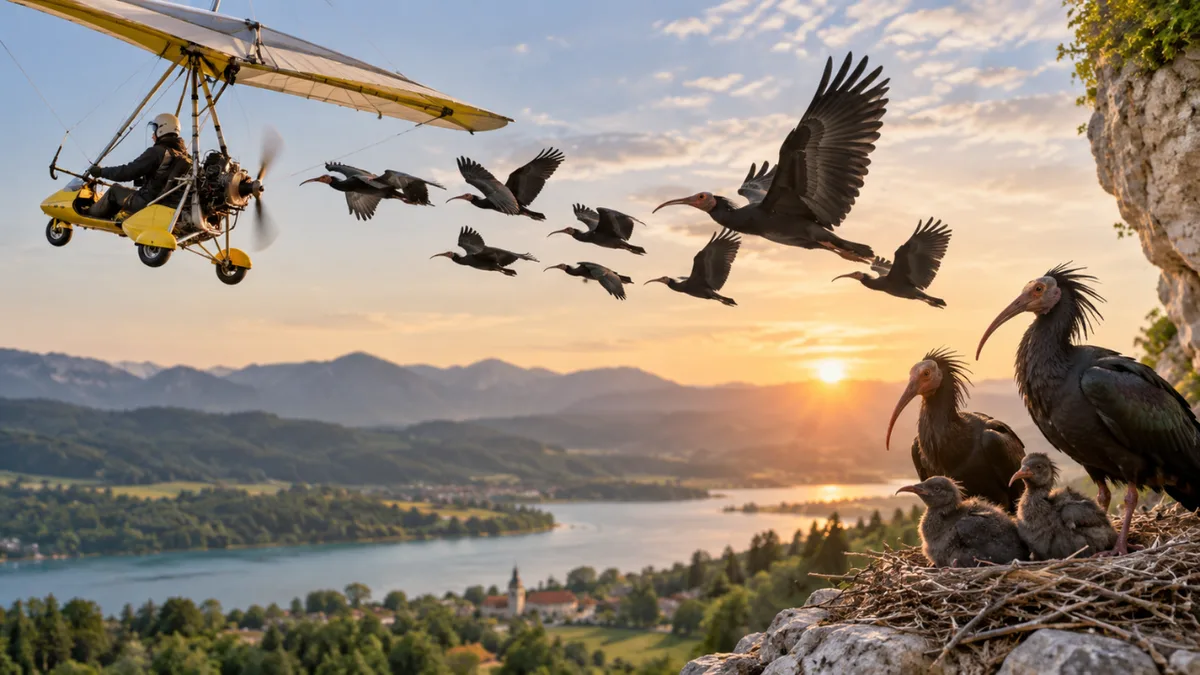
Conservationists successfully reintroduced northern bald ibises to Europe after centuries of absence.

Young birds were trained to follow microlight aircraft south to Italy for winter.

This innovative method helped them relearn ancient migration routes and return independently.

By 2011, the birds began returning without human guidance, establishing a self-sustaining colony.

Further management interventions are still needed to ensure the species' long-term viability.

Read the full article on Times of India - World ›

5News aggregated this summary from the outlet’s public feed. The full article, with all the context, is on timesofindia.indiatimes.com — the content belongs to Times of India - World.


More from Times of India - World

See all ›

More in World

See all ›