We need to prepare today for the crimes of tomorrow, says Telangana DGP
Account subscription benefits alongside Premium Stories, Editorials, Opinions and more. Unlock these with Subscription
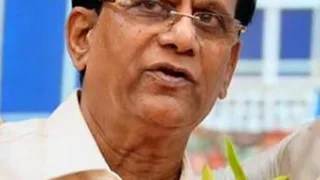
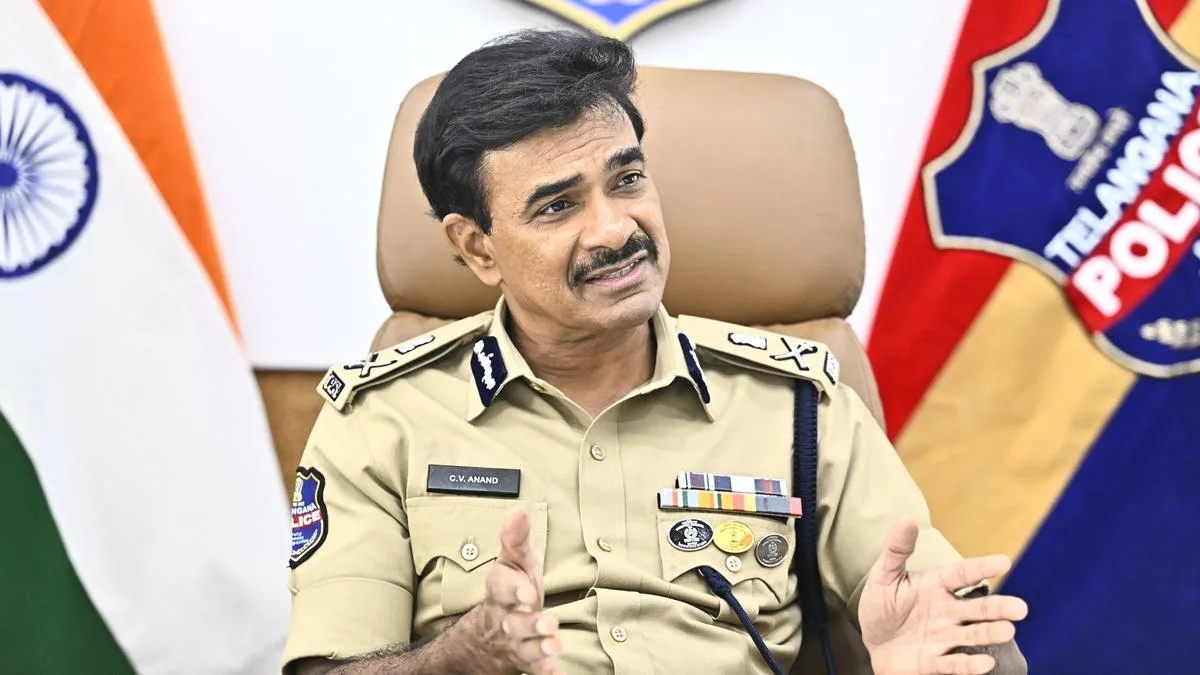
Director General of Police C.V. Anand. | Photo Credit: SIDDHANT THAKUR
How has the nature of crime changed over the years, particularly with traditional offences now existing alongside technology-driven crimes?
The dimensions of crime have increased. Traditional crimes such as thefts, burglaries and property offences continue, though to a lesser extent. At the same time, cybercrime and narcotics have become very serious challenges. We are also seeing new forms of organised crime in narcotics , cybercrime and food adulteration , with networks involved in production, manufacturing, supply and transportation.
Gen Z is growing up in a very different social and digital environment. How do you see this changing the challenges before the police?
Police have to prepare for a different kind of policing. The way Gen Z communicates and behaves is different. Social media can rapidly mobilise people and an incident in one part of the country can have repercussions in Hyderabad. We need to monitor these developments and use predictive analysis and artificial intelligence (AI) to anticipate what may happen.
Does that mean social media monitoring will become a more important part of policing in the coming years?
Social media is inescapable. We have to learn to live with it and avoid unnecessary controversies. Police personnel should not make foolish mistakes because anything can become viral within minutes. At the same time, our scrutiny of social media also has to be high because malicious and false campaigns are carried out through multiple accounts. Every Commissioner and Superintendent of Police has been asked to remain alert and have teams monitoring social media. It is now a compulsory part of policing.
Technology has transformed criminal investigation. How different is investigating a murder case, for example, today compared with the methods used by police officers earlier?
Earlier, the scene of crime was sacrosanct. If an officer missed a fingerprint, a hair follicle or some other clue, the case could be affected. Now we have CDR [Call Detail Record], IPDR [Internet Protocol Detail Record], CCTV footage and technical analysis. CDR and IPDR can establish locations, communication patterns and timings, while CCTV has become extremely important. But there is a danger of becoming too dependent on technology. The basics of policing remain very important. If the technology fails you, the case may fail.
With officers increasingly relying on digital evidence, is there a danger that traditional investigative skills could gradually be lost?
Absolutely. We are going back to police station visits, CCTNS, basic patrolling, day patrolling and night patrolling. We cannot forget traditional policing. We have additional work because traditional crimes are continuing and, in addition, we have these new types of crime requiring special qualifications, abilities and training.
How is policing changing after the eradication of Maoism in Telangana?
For almost 30 to 35 years, policing was oriented towards Left-Wing Extremism and terrorism.
5News aggregated this summary from the outlet’s public feed. The full article, with all the context, is on www.thehindu.com — the content belongs to The Hindu - National.