Reserved Compartment brings anti-caste English poetry showcase to Chennai
Account subscription benefits alongside Premium Stories, Editorials, Opinions and more. Unlock these with Subscription
English poetry can sometimes come with its own set of barriers: the language, the rooms where it is performed, the people who fill those rooms. For Reserved Compartment, a collective of four Dalit poets, the answer has been to walk straight into those spaces and bring their own stories with them.
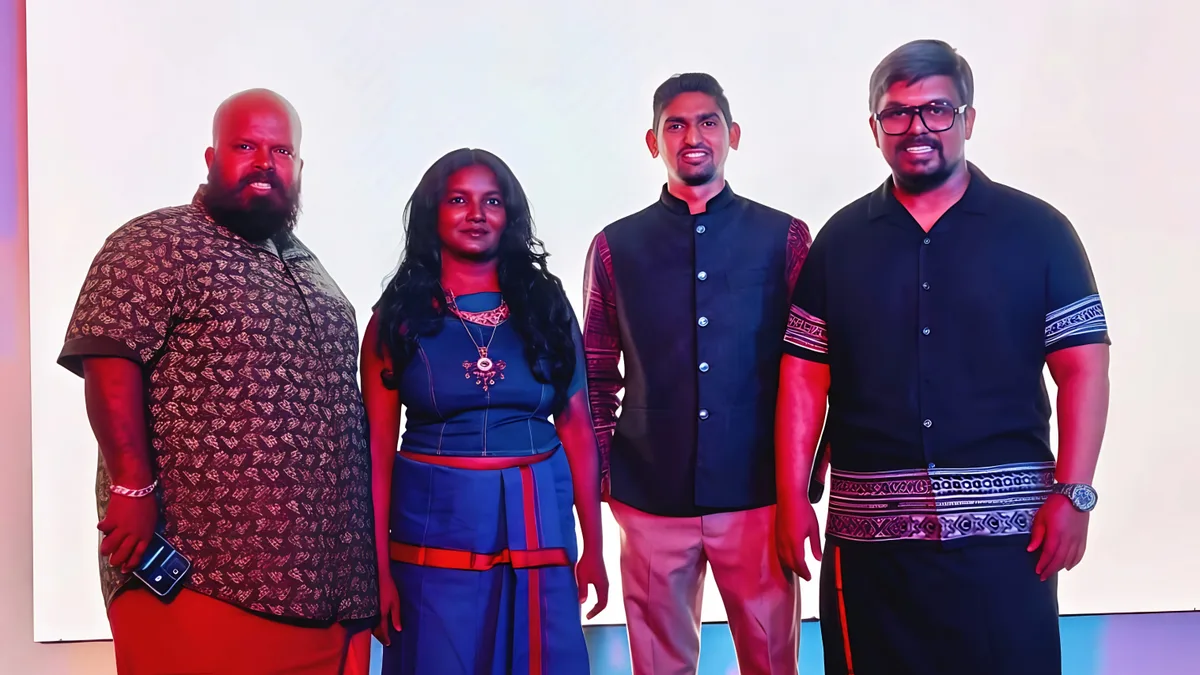
After initial shows in Mumbai and Banglore, this weekend, the Reserved Compartment partners with Mahad Productions, an artiste collective in Chennai, to bring its Dalit English poetry showcase to the city. The programme will be centred on protest and anti-caste poetry. The collective — Dr Abhijit Khandkar, Gautam Vegda, Daniel Sukumar, and Aleena, will be joined by Chennai poet C Nivetha for an opening performance in Tamil.
Their poems will speak of caste and protest, but also of food, love, memory, and the small, ordinary details of lived experience. On stage, these personal stories will become a way of asking who gets to speak, who gets to be heard, and who gets to feel at home in a cultural space.
“We are not building a show, we are building a community. After the show in Chennai, we’ll still be in touch with our audience and for the next event or workshop we do there, we want to invite them and might even have open mics in the future,” says Daniel who is based out of Bengaluru.
That sense of community also extends to the spaces they choose to perform in. For Abhijit, who is based in Mumbai, the decision to take the showcase into established cultural venues is deliberate. “We try to do our shows in venues that are mainstream or the most sought-after venues in that city, because that is also our political statement. We want to open those spaces for our people, so that they can also walk into those spaces and experience how it feels,” he says.
“Spoken word in India is basically run by upper-caste people who have access to fancy cafes where many people cannot just go, buy a coffee for ₹200 and sit and listen to poetry,” says Daniel. The collective also sets aside community tickets at every show, allowing those who may not be able to afford a ticket to attend.
But reclaiming a space does not mean filling it with only declarations of caste. The four poets bring their identities into their work without allowing them to become its only subject. Daniel, for instance, writes about his mother’s favourite dish, and even his grandfather’s habit of collecting coconut shells. “Most of the time we feel that this is only happening to us, but when you discuss this on a larger platform, people are able to resonate with it. We have stories like this across the board from the community,” he says.
While the poems are rooted in lived experience, Aleena is wary of reducing them to caste narratives alone. She points out that when an individual story travels beyond the person who lived it. “What we are doing through our poems is just telling our truths to power, and hopefully those personal truths resonate with the public.
5News aggregated this summary from the outlet’s public feed. The full article, with all the context, is on www.thehindu.com — the content belongs to The Hindu.