Paneer, khoya, sweets in focus as Delhi steps up food adulteration checks ahead of festive season
Account subscription benefits alongside Premium Stories, Editorials, Opinions and more. Unlock these with Subscription
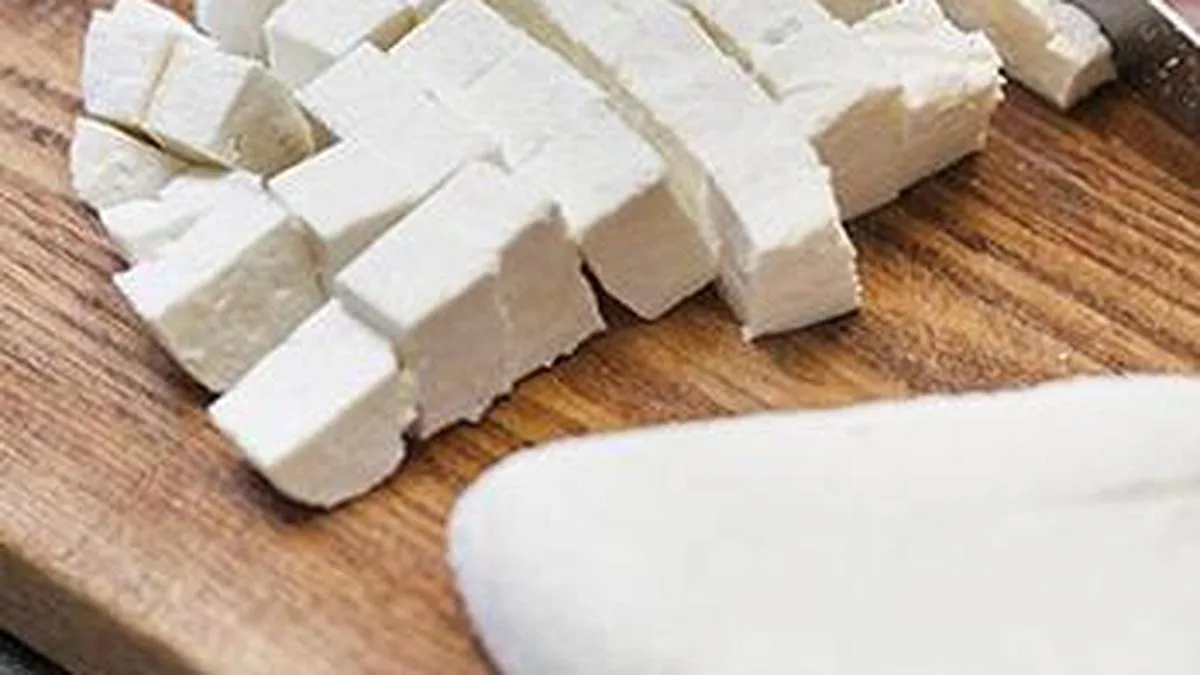
The Food Safety Department seized 508 kg of spurious paneer at Okhla Sabzi Mandi earlier this month. | Photo Credit: liubomirt
As sacks of khoya and paneer arrive in Delhi’s markets and sweet shops stock up for the festive rush, the Delhi Police Crime Branch is stepping up intelligence-gathering on food adulteration.
The watch comes amid a series of food safety seizures and inspections across Delhi. More than 2,800 kg of unsafe and abandoned khoya and butter were found in major markets earlier this month. Ten khoya and cream samples collected from Mori Gate were found to be non-conforming, while four paneer samples from Janakpuri Mandi tested positive for detergent. Around 150 kg of paneer and 10 kg of khoya were subsequently destroyed.
The Food Safety Department also seized 508 kg of spurious paneer at Okhla Sabzi Mandi and destroyed over 131 kg of expired food items, including gram flour, khoya and wheat flour, during inspections of sweet manufacturing units and mandis.
“With the festive season approaching, the Crime Branch has been on alert to identify leads related to food adulteration. As soon as we receive information about food adulteration, it is shared with the Delhi government’s Food Safety Department. The information and timing of the operation are coordinated with the department, following which joint raids are conducted,” said Special Commissioner of Police (Crime) H.G.S. Dhaliwal.
The police, however, do not independently test suspected food products. Deputy Commissioner of Police (Crime) Aditya Gautam said food safety officers accompanying the police during raids collect samples for laboratory testing.
Mr. Gautam said investigators had found rangkat or hydro powder (sodium hydrosulfite), being used to give khoya and sweets a whiter appearance, sawdust mixed with cumin, brick powder with chilli powder, and chemicals and hydrogenated vegetable oil used to adulterate ghee.
Speaking to The Hindu , Devesh Mahla, Director, Food Safety and Standards Authority of India (FSSAI) - North India, said the nature of milk adulteration has also changed.
“Earlier, they used to mix water in milk, which was not necessarily dangerous, but now, as the demand and greed have increased, they have started preparing synthetic milk made of chemicals, including detergents, shampoo, caustic soda and urea,” he said.
Mr. Gautam said accused persons often change locations after an operation, making subsequent raids at the same premises uncommon.
Mr. Mahla said, raids were based on consumer complaints and risk-based assessment of food items. Milk, meat, ghee, k hoya and eggs are among the categories assessed as higher risk, he said.
Food safety officers are authorised under the Food Safety and Standards Act, 2006, to inspect premises, verify FSSAI licences and documents and collect samples for laboratory testing. “The report is used to prosecute the offender,” Mr. Mahla said.
Mr.
5News aggregated this summary from the outlet’s public feed. The full article, with all the context, is on www.thehindu.com — the content belongs to The Hindu.