The Security Council is paralysed, but the UN is not broken, says UNSG Guterres
Account subscription benefits alongside Premium Stories, Editorials, Opinions and more. Unlock these with Subscription
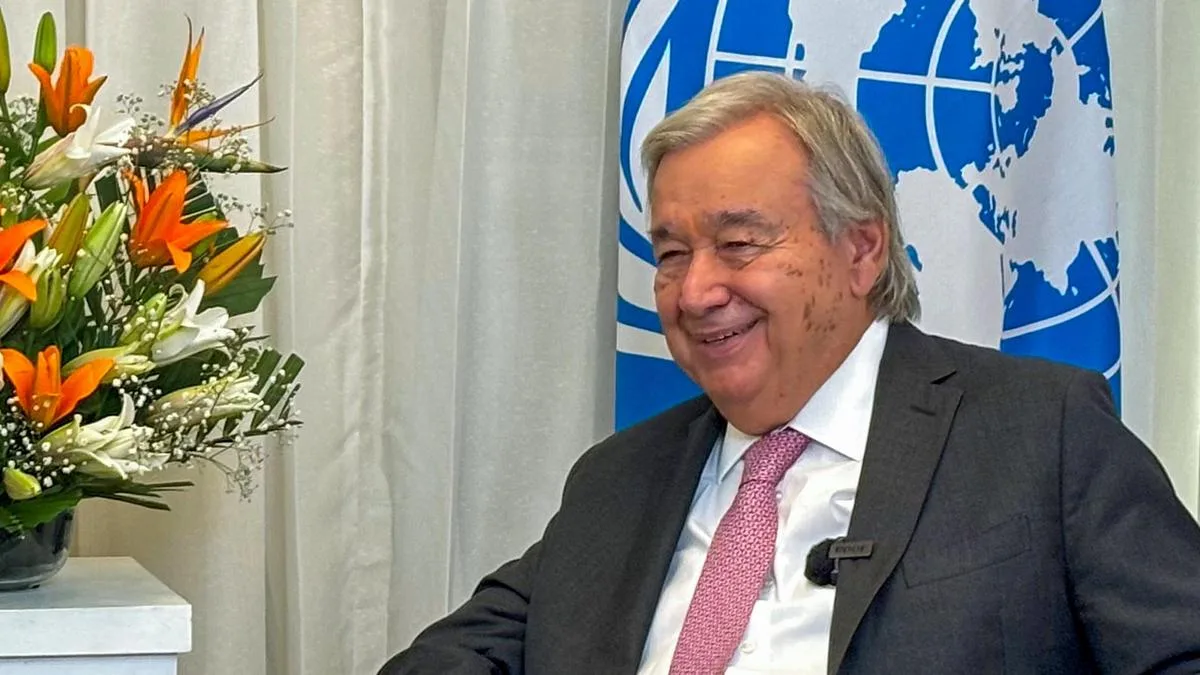
United Nations Secretary-General, Antonio Guterres during an interview with The Hindu in New Delhi on September 12, 2026. | Photo Credit: Tayyab Hussain
The Security Council is paralysed, and global superpowers haven’t recognized there are limits to their power says UN Secretary-General Antonio Guterres, in his most scathing comments about the culture of “impunity” and divisiveness that besets global leadership. In an exclusive interview to The Hindu on the sidelines of the 18th BRICS summit, the UNSG, who demits office at the end of the year, weighed in on a number of issues, including UN reform, the election for his successor, the latest developments in the West Asia war, Israel’s war in Gaza, India’s efforts in the Russia-Ukraine war , and the latest controversy of a new UN resolution on the world map.
In a speech last year, you said that the promise of never again for genocide is dangerously close to being broken. 80 years Since World War II and the UN’s creation, do you think the United Nations is no longer able to fulfil the role it was created for?
Well, first of all, let’s be very clear. The United Nations has guaranteed that we would not have a third world war. We have many conflicts around the world, but we have not two superpowers fighting each other directly. And this is largely because of the work of the United Nations has done during these 18 years. The problem is that we now have a strong geopolitical divide. On one hand, we have superpowers that have not yet recognised that their power has limits and get into adventures that produce terrible results. The division between these superpowers creates a situation of impunity for mid-sized powers to start wars, not respecting any rules, with a total sense of impunity. With the Security Council that is paralysed because of the divisions that exist at the level, especially of the superpowers, this has created a world that became very, very dangerous.
I do want to get to the role of the superpowers in all of this, but on news now that groups in Yemen have captured the Bab el-Mandeb strait . Can the United Nations help with the situation?
We have been trying to help as much as possible in relation to guaranteeing something that is fundamental, which is the freedom of navigation. The rights and freedoms of navigation that must be respected in the Black Sea, in the Strait of Hormuz, in the Bab el-Mandeb. That is essential. No tolls, no permission to some and the refusal to others. Freedom of navigation is a basic principle we are defending. On top of that, United Nations has been involved in creating mechanisms and proposing those mechanisms in order to allow for these blockades to at least have exceptions in relation to food and fertilisers. We did it with the Black Sea Grain Initiative [in the Russia-Ukraine conflict]. We have made an offer in relation to fertilisers for the Strait of Hormuz that Iran has not accepted.
5News aggregated this summary from the outlet’s public feed. The full article, with all the context, is on www.thehindu.com — the content belongs to The Hindu - International.