Apollo Advances Research into Non-Invasive Treatment Approaches for Severe Essential Tremor
Account subscription benefits alongside Premium Stories, Editorials, Opinions and more. Unlock these with Subscription
Apollo Hospitals expands its clinical research efforts with ZAP-X Gyroscopic Radiosurgery, exploring non-invasive treatment for severe essential tremor.
Apollo advances research into non-invasive treatment approaches for severe essential tremor. Positioning themselves among the early centres in South Asia to adopt the ZAP-X Gyroscopic Radiosurgery System, a technology designed for precise brain treatments. Building on its experience in treating brain tumours, the hospital is now evaluating how such advanced technologies can contribute to future treatment options for neurological disorders through clinical research.
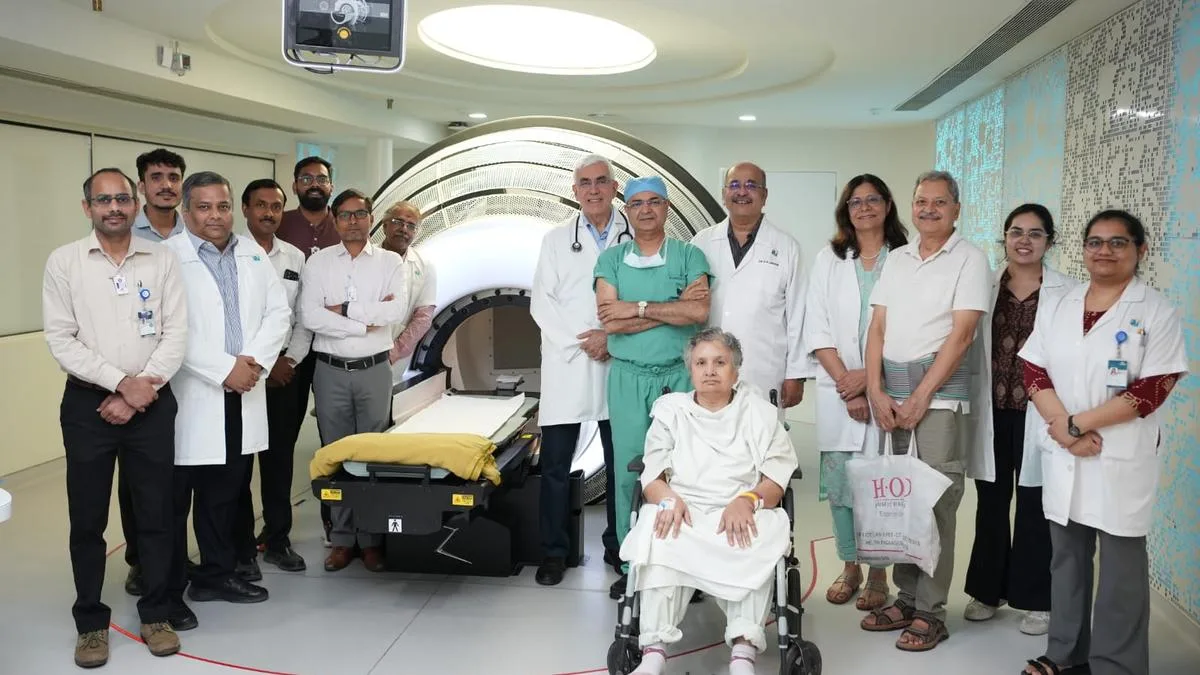
For 66-year-old Madhu (name changed), what began as subtle shaking in her hands around six years ago gradually became a more pronounced tremor that started interfering with everyday activities. Eating, for instance, became difficult as food would sometimes spill because of the shaking. After years of managing her symptoms with medication, she became the first patient at Indraprastha Apollo Hospitals to undergo treatment for severe essential tremor as part of the hospital’s clinical research programme evaluating the ZAP-X Gyroscopic Radiosurgery System. Essential tremor, one of the most common movement disorders, affects an estimated 4-5% of individuals over the age of 40 and can significantly impair everyday activities such as writing, eating, and personal care. While many patients achieve symptom control through medication, a subset continues to experience disabling tremors despite available therapies, highlighting the need for continued innovation in treatment approaches.
In her case, the initial changes in her hands were noticed around six years ago, when the tremors were relatively mild. Over time, however, the shaking became more pronounced and increasingly noticeable in her daily life. Despite attempts to manage the symptoms through medication and changes in her treatment, the tremors persisted and gradually became more prevalent, particularly affecting activities such as eating. Her trust in Apollo Hospitals led her to consider the ZAP-X clinical trial there.
As part of the trial, treatment will target a specific area on one side of the brain associated with control of the patient’s dominant hand, with the aim of reducing tremor and improving functional ability. The procedure typically takes about an hour and is performed using a customised mesh mask rather than an invasive headframe. General anaesthesia is generally not required, and patients can typically return home on the same day.
The treatment experience was smooth, with the procedure taking around 45 minutes. She was given medication beforehand and did not face any problems during the procedure. Five weeks after the treatment, her progress continues to be monitored as the doctors assess her response over the coming weeks and months.
Indraprastha Apollo Hospitals is among the early centres in South Asia to adopt the ZAP-X Gyroscopic Radiosurgery System, a technology designed for precise brain treatments.
5News aggregated this summary from the outlet’s public feed. The full article, with all the context, is on www.thehindu.com — the content belongs to The Hindu.