From Bournvita to ‘100% Pure’: Why is FSSAI tightening the rules on food claims? | Explained
Account subscription benefits alongside Premium Stories, Editorials, Opinions and more. Unlock these with Subscription
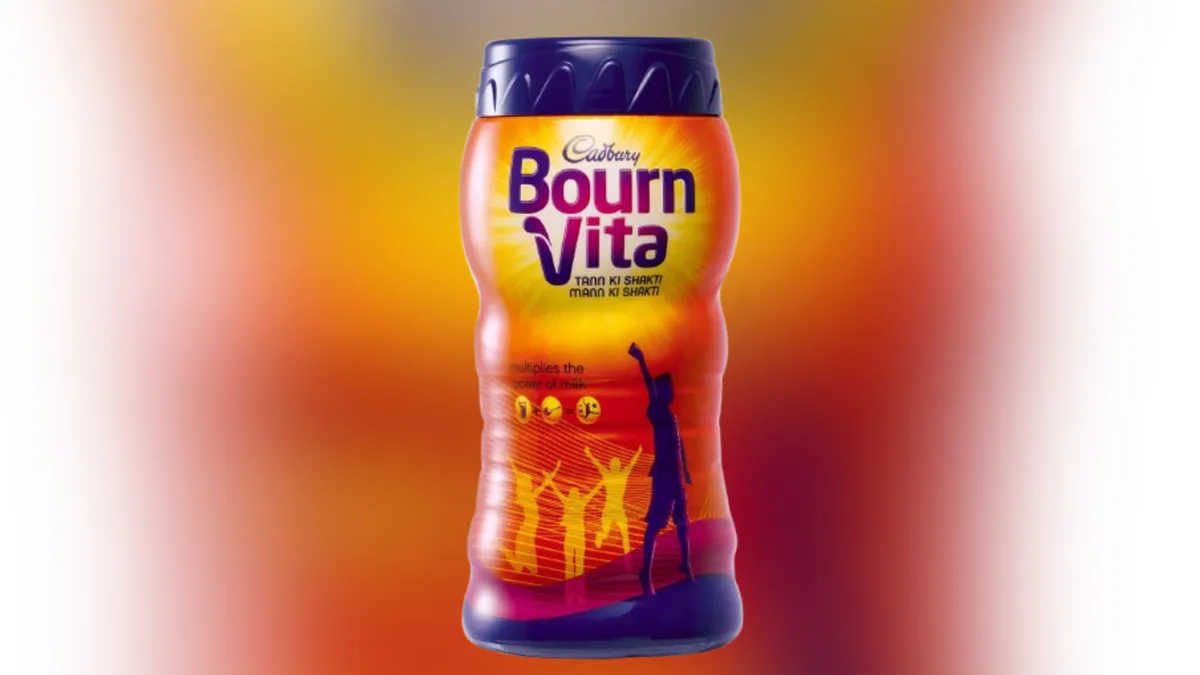
Bournvita has occupied a particularly sensitive space because its marketing has historically been closely associated with children’s nutrition. File picture
The story so far: Mondelez India’s decision to withdraw health and nutrient-comparison claims around Bournvita is more than a correction involving one familiar malted drink. It is part of a broader regulatory push by the Food Safety and Standards Authority of India (FSSAI) to make food companies substantiate what they put on labels, advertisements and online product listings.
The regulator said it has issued more than 150 notices to food companies in recent months over misleading advertisements, false claims and labelling non-compliance. The list includes some of the country’s biggest packaged-food and beverage companies, including Nestlé India, PepsiCo, Coca-Cola India, Abbott India, Red Bull India, Danone India, Mondelez India, Ferrero India and Kenvue.
Bournvita has occupied a particularly sensitive space because its marketing has historically been closely associated with children’s nutrition. The product came under intense public scrutiny in 2023 over its sugar content and claims about nutritional benefits.
Also Read | FSSAI bans ‘100% pure’ Dabur products, firm’s share falls 4%
The latest action does not, by itself, establish that Bournvita is unsafe. The regulatory issue is different — whether particular health or nutrient-comparison claims are adequately supported and whether the way they are presented could give consumers a misleading impression.
“Food regulation is not limited to checking whether a product contains permitted ingredients. It also governs how a product’s nutritional qualities and benefits are communicated,” explained a senior Central Government official.
He added that a statement suggesting that a product helps deliver a particular health outcome, for instance, can create expectations beyond what its ingredient composition or available evidence may justify.
Mondelez has now withdrawn the claims flagged by FSSAI and removed related advertisements from e-commerce platforms.
The Bournvita action sits alongside another FSSAI concern — the use of absolute-sounding words such as “100%”.
In May 2025, FSSAI advised food businesses to stop using “100%” on food labels, packaging and promotional material. Its reasoning was that such language could convey a “false sense of absolute purity or superiority” to consumers.
The significance goes beyond coconut oil or atta. In a crowded packaged-food market, words such as “pure”, “natural”, “healthy”, “immunity-boosting” and “100%” are powerful marketing devices. They can influence purchasing decisions even before a consumer examines the nutrition panel or ingredient list.
Recent corrective actions illustrate the range of claims under scrutiny. Amway India has removed “100%” from its “100% Pure Coconut Oil” packaging and promotional material and dropped the “Energy Drink” descriptor from its caffeinated XS products.
5News aggregated this summary from the outlet’s public feed. The full article, with all the context, is on www.thehindu.com — the content belongs to The Hindu - Sci-Tech.