What could have prompted the latest hike in commercial LPG prices? | Explained
Account subscription benefits alongside Premium Stories, Editorials, Opinions and more. Unlock these with Subscription
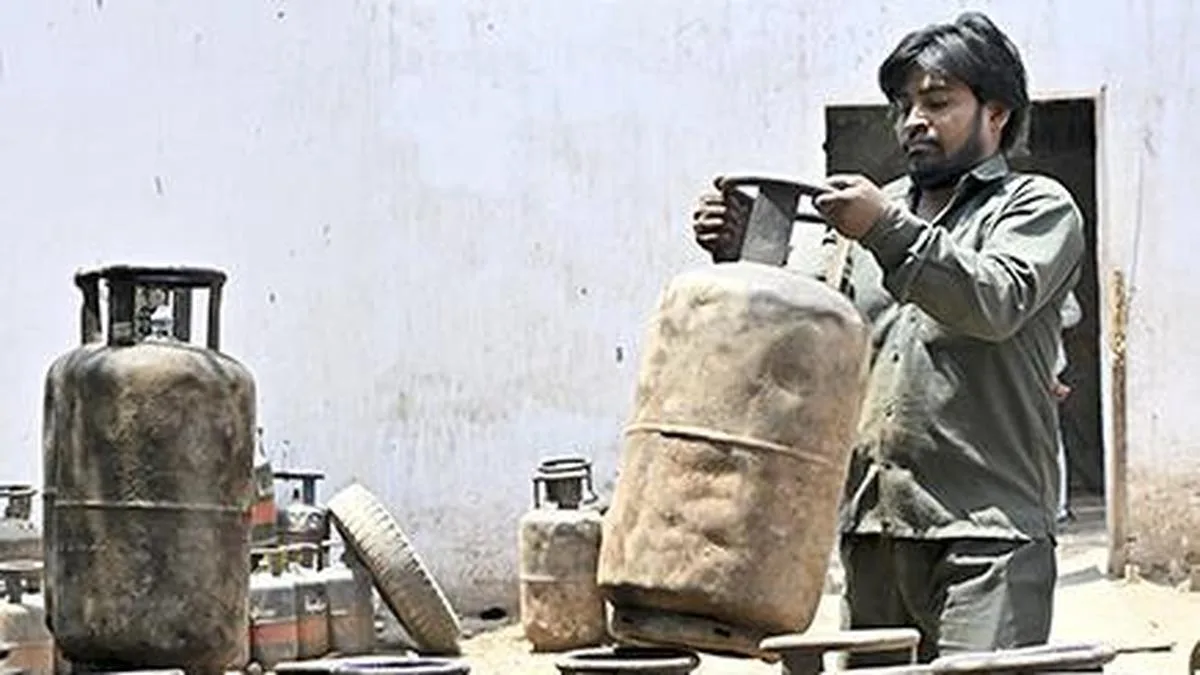
Industry observers state the latest hike in the commercial segment primarily caters to offset the under-recoveries for the domestic segment. File | Photo Credit: Shashi Shekhar Kashyap
The story so far: After two successive months of decline in LPG prices, oil-marketing companies hiked prices of the commercial variant of the bottled hydrocarbon gas by approximately ₹10 per cylinder across the country on Tuesday (September 1, 2026). The 19-kg cylinder in Delhi now costs ₹2,747.5 per cylinder whilst the price of the 14.2-kg cylinder remains unchanged.
Industry observers state the latest hike in the commercial segment primarily caters to offset the under-recoveries (that is, the losses OMCs incur because of the difference in prices at which they sell to consumers against the price they should receive for meeting the cost of production and distribution) for the domestic segment.
The latest available government data reported that India’s state-owned oil-marketing companies were incurring under-recoveries of ₹188 per cylinder in early August, down from ₹500 per cylinder in July and more than ₹700 per cylinder in June.
According to government data, the packaged domestic segment accounted for 90.4% of all LPG consumption in the country during April and June this year.
Further, about 10.6 crore Pradhan Mantri Ujjwala scheme beneficiaries – approximately 33% of the domestic segment - receive an additional subsidy of ₹300 per cylinder.
In other words, while the 14.2 kg LPG cylinder costs ₹942 in Delhi, a Ujjwala beneficiary can avail it for ₹642 per cylinder.
Speaking to The Hindu on Tuesday (September 1, 2026), Prashant Vashisht, senior vice president and co-group head, corporate sector ratings, at ratings agency ICRA, said, “At present, the under-recovery on domestic LPG cylinders is hovering at about ₹200 per cylinder. Thus, the latest hike potentially tries to somewhat compensate for that amount, although the proportionate sales of commercial LPG are much smaller [compared to the domestic variant]. I would not read much into it,” Mr. Vashisht said.
On the supply side, imports of petroleum, oil and lubricants (POL) products registered a decline of 45.1% between April and July this year, according to data from the government’s Petroleum Planning and Analysis Cell (PPAC).
5News aggregated this summary from the outlet’s public feed. The full article, with all the context, is on www.thehindu.com — the content belongs to The Hindu.