Going beyond language proficiency to help students become confident communicators
Account subscription benefits alongside Premium Stories, Editorials, Opinions and more. Unlock these with Subscription
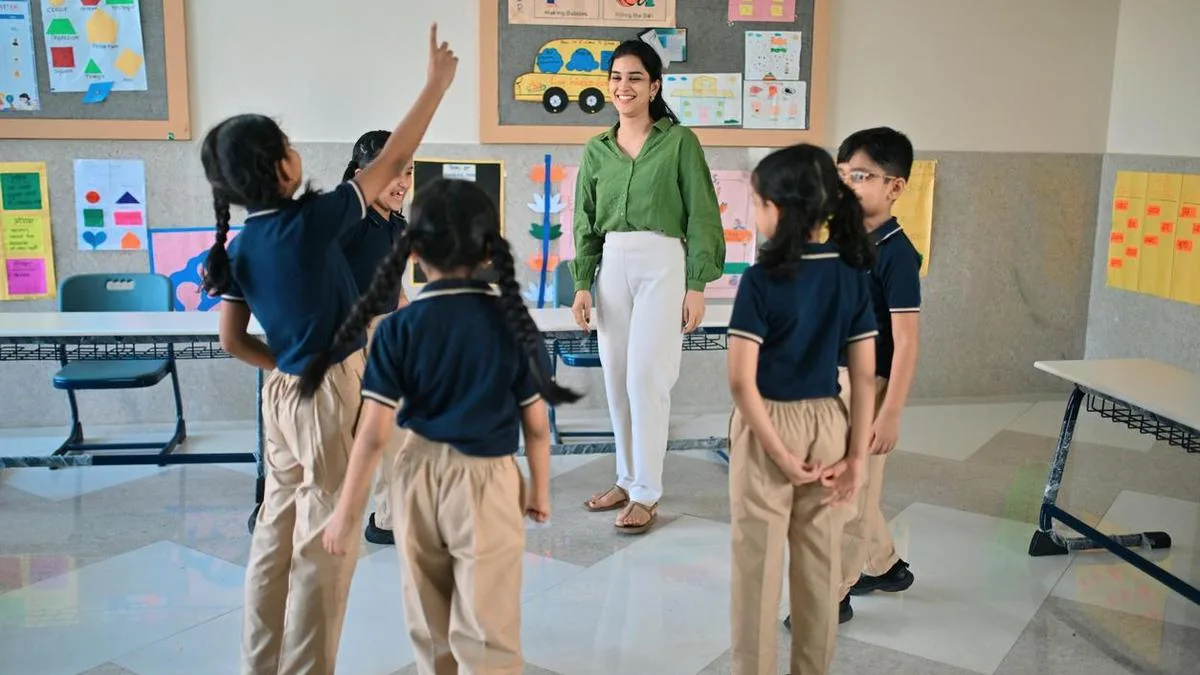
National holidays like Independence Day give schools a meaningful opportunity to help children reflect on the idea of freedom, through speeches, discussions, essays, performances, or classroom activities. But beyond the celebrations, the occasion also invites us to think about another dimension of freedom that is particularly important in education: the confidence to express an idea, ask a question, and participate in a conversation. For children, finding their voice is not just about becoming better speakers but also about developing language, confidence, and independent thinking.
A child may know the answer but hesitate to raise a hand. Another may have an interesting idea but wait for someone else to provide the ‘right’ response. Some children may be comfortable speaking with friends but not when asked to speak before a class. These situations remind us that communication confidence does not develop automatically with vocabulary or age but needs to be deliberately nurtured through everyday learning.
Language proficiency is an important part of this process but proficiency and confidence are not the same. A child may know many words and still hesitate to speak. A child with developing vocabulary may communicate effectively when given the confidence and space to try. This is why language learning in the early years needs to create opportunities for children to use language rather than just learn about it.
The importance of strengthening foundational language skills is also reflected in recent learning data. According to ASER 2024, the proportion of Class 3 children in government schools who could read a Class 2-level text increased from 16.3% in 2022 to 23.4% in 2024. While reading ability is not the same as speaking confidently, the improvement highlights the importance of giving children sustained opportunities to engage with and use language.
If speaking is associated primarily with correction, marks, or the fear of getting an answer wrong, children may become reluctant to participate. If language is experienced through conversation, stories, play, and interaction, they begin to understand that communication is about expressing an idea, listening to another person, and trying again. Accuracy remains important but should develop alongside the willingness to communicate. The objective should not be to eliminate mistakes from the learning process, but to create an environment in which children can learn without becoming afraid to speak.
This has implications for classroom practice. Children need regular opportunities to use language for a genuine purpose. Storytelling encourages them to describe characters, predict what might happen, and eventually create their own endings. Role play allows them to practise conversations and respond to different situations without the pressure of formal assessment.
5News aggregated this summary from the outlet’s public feed. The full article, with all the context, is on www.thehindu.com — the content belongs to The Hindu.