Manipur musician’s murder revives fears of racism, harassment among northeast residents in Delhi’s Kilokari
Account subscription benefits alongside Premium Stories, Editorials, Opinions and more. Unlock these with Subscription
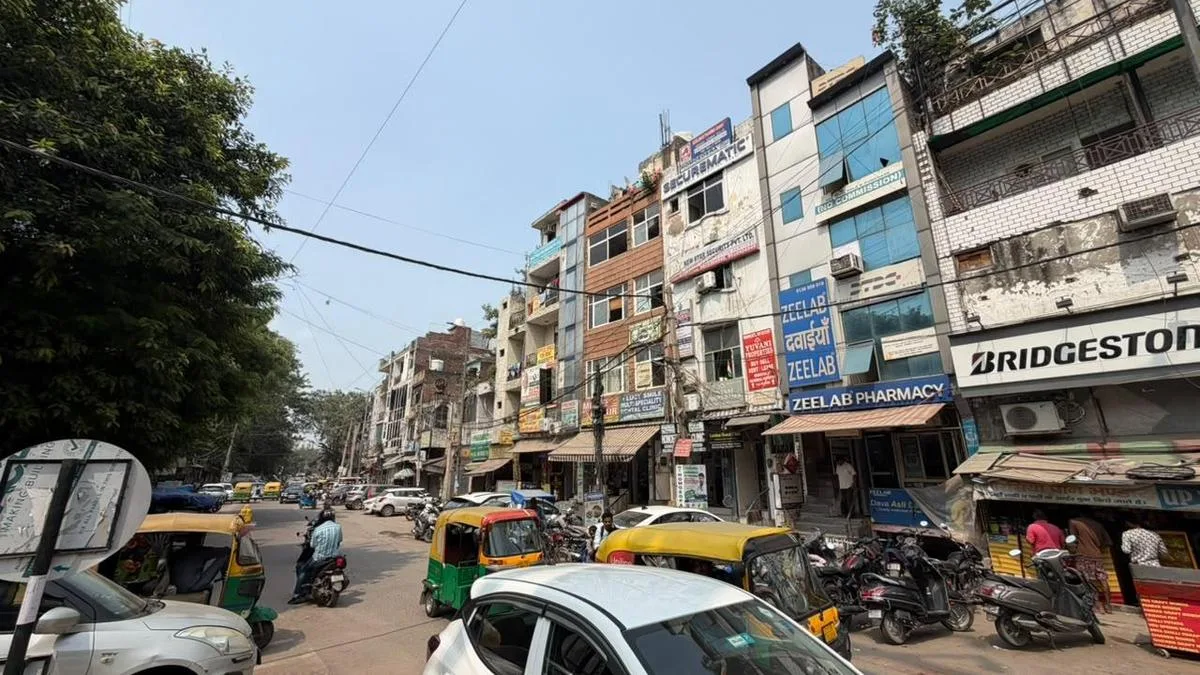
Several people from the northeastern States have lived and worked in Delhi’s Kilokari village for years. | Photo Credit: Lavpreet Kaur
Two weeks after 54-year-old Manipuri musician Chongtham Vikram Singh was beaten to death in Kilokari village in southeast Delhi on September 6, residents from the northeastern States say years of racial slurs, harassment, stereotyping and attacks have left them feeling like outsiders despite having built their lives in the neighbourhood.
For Chandam Miroda Devi, 38, who lives directly below Singh’s house, the sounds of the assault continue to haunt her.
Around 4 a.m., Ms. Devi received a call from the community president asking whether she knew about an assault in the house above. By 6.32 a.m., Singh had died at Holy Family Hospital, about three kilometres away.
“I am unable to sleep. The sounds of that night keep rewinding in my head. I fear someone is knocking at my door. They came to his house and assaulted him, causing his death. How safe are we?” she said.
Chongtham Vikram Singh was beaten to death on September 6. | Photo Credit: Special arrangement
Kilokari, less than a kilometre from Ashram metro station, is a densely packed neighbourhood of multi-storey buildings, shops, salons and eateries. Several people from the northeast have lived and worked here for years, some for over two decades, but residents say racial slurs, stereotyping and harassment remain common.
Ms. Devi said terms such as “m omo” , “c hinky” , “N epali” and “C hinese” are directed at members of the community.
“Despite living in our own country, we are made to feel like outsiders. We were born in Manipur, is that our mistake? We come here to build our lives, work hard and pay our rents, but we are still not given even the bare minimum of respect,” she said.
Since the killing, residents say they have become more cautious about stepping out, particularly in the evening. The community has discussed avoiding confrontations or retaliation when subjected to teasing or abuse.
Sangeeta Keisam, another resident, said the community felt watched and judged in the days immediately after the incident. “For three days, we were shocked and upset. We felt people were constantly watching us,” she said.
Residents say they often prefer to live in clusters in areas such as Kilokari, Safdarjung Enclave and Munirka because they feel safer among people from the same region. Ms. Keisam said this also led to generalisations about the community, including over their clothing, appearance and tendency to socialise in groups.
Ruchida Sharma, who has lived in the area for about 20 years, said, “If this had been someone from another community objecting to loud music or a nuisance, perhaps it would not have escalated this way. There is a mindset that asks, ‘Why are these outsiders telling locals what to do?’ That thinking needs to change,” she said.
5News aggregated this summary from the outlet’s public feed. The full article, with all the context, is on www.thehindu.com — the content belongs to The Hindu.