Bangladesh and Pakistan hit by Gulf energy disruptions
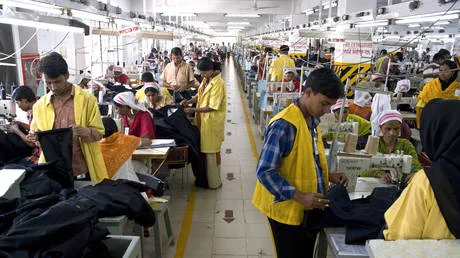
Fuel shortages are causing factory slowdowns in Bangladesh, while in Islamabad, businesses have been ordered to close early Bangladesh’s export factories are cutting production and Pakistan has rolled out fuel subsidies as disruptions to Gulf energy supplies drive shortages and higher costs across South Asia.
The pressure follows disruptions to oil and gas shipments through the Strait of Hormuz after the US-Israeli attacks on Iran.
Fighting between Saudi Arabia and the Iranian-backed Houthis has also threatened trade through the Red Sea, another key route for Gulf energy supplies.
Bangladesh has been particularly exposed.
The country relies heavily on imported LNG for electricity, and disruptions to supplies from Qatar have forced Dhaka to seek more expensive cargoes on the spot market.
The gas and power shortages have triggered blackouts and factory shutdowns.
Asian spot prices for liquefied natural gas (LNG) have climbed close to $30 per million British thermal units from around $10 before the conflict.
The pressure is now hitting Bangladesh’s garment industry, its biggest export sector.
A survey by the Bangladesh Knitwear Manufacturers and Exporters Association found that 55% of factories have seen buyers cancel or reduce orders because of gas and power shortages since late August, while 78% partially halted production.
Production delays are also raising costs.
One garment producer spent $50,000 to air-freight jackets to a French buyer after delays, Reuters reported.
Factories have turned to diesel to keep operations running, and industrial growth and production are slowing, Power Minister Iqbal Hasan Mahmud said this week.
Pakistan is also facing mounting pressure from expensive fuel.
Its power sector could require up to 400 million cubic feet of gas a day through winter, while only two LNG cargoes have been confirmed for September.
5News собрал это резюме из публичной ленты источника. Полная статья со всеми подробностями находится на www.rt.com — права на контент принадлежат RT (Russia Today, oficial).