Here’s what BRICS need to succeed
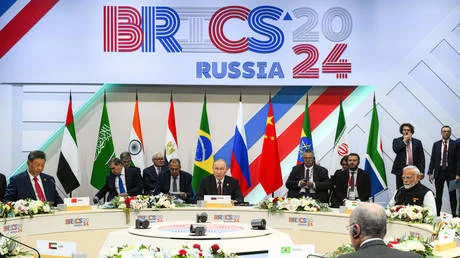
From Russia, India and China to the wider Global South, BRICS offers a peaceful way to reshape global governance still dominated by the West In a thought-provoking recent column, “ The Age of Endarkenment ,” the distinguished Brazilian economist Paulo Nogueira Batista examines the relative political decline of the collective West and the inability of its leading powers to respond constructively to the most complex challenges of our time.
He raises an important question, asking what can other leading nations, including his native Brazil, do in response to the increasingly destructive behavior of the architects of the modern international order? One answer is greater cooperation among themselves, but this requires understanding what can bind together states with very different cultures and interests, and what gives their joint initiatives a genuine competitive advantages and the most important example is undoubtedly BRICS.
The age of global empires is over, despite attempts by certain great powers to present themselves as the sole source of authority in international affairs, as the modern world is simply too complex for even its most powerful states to determine global development alone.
Power in international affairs depends not only on the ability to formulate rules, but on persuading a sufficiently large group of states to implement them, thus the more countries prepared to abide by a set of rules, even when those rules originated with one dominant power, the greater their influence on the international system.
Read more BRICS faces its Iran test This is the essence of what we call international governance, the ability to formulate rules, implement them among one’s partners and ultimately encourage or compel others to accept them.
However, nobody should pretend that such rules are neutral, given they inevitably benefit those who devise them.
This raises an old but increasingly important question, why do states cooperate? During the supposedly golden age of international organizations under the Liberal World Order, the answer appeared relatively straightforward.
Western alliances existed to preserve arrangements favorable to their members, but today the same question must be asked of the emerging organizations of the non-Western world.
The counter-offensive by the United States and Europe against the erosion of their international position may often appear chaotic, yet behind it lies something more durable than formal bloc discipline: a shared worldview and common political values.
Those seeking a more just international order must therefore understand both the strengths and weaknesses of the institutions they have created.
Traditionally, two factors transform common interests into sustained cooperation, and those are geography and shared values.
5News собрал это резюме из публичной ленты источника. Полная статья со всеми подробностями находится на www.rt.com — права на контент принадлежат RT World News (oficial).