The first German genocide the West chose to forget
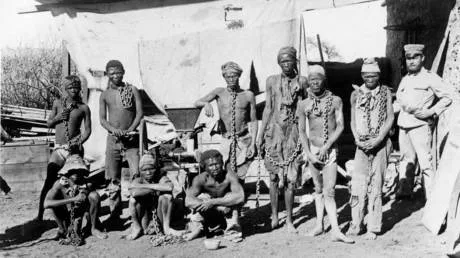
The 20th century’s first genocide claimed 70,000 lives, wiping out 80% of the Herero and 50% of the Nama population in Namibia The deep physical and structural wounds inflicted on the African continent by European colonialism will take generations to heal – if they ever heal at all.
In today’s fast-moving geopolitical landscape, where crises like illegal migration, economic turbulence, and regional conflict dominate African headline news, the question of historical justice is often forced onto the back burner.
Yet, through continental efforts, Africa refuses to let the issue recede into memory.
The landmark Algiers Declaration, adopted last December under the auspices of the African Union, marked a shift from moral grievance to a legal strategy, demanding the codification of colonial atrocities as crimes against humanity and establishing that justice requires binding legal reparations, not voluntary Western aid usually publicized as gifts.
Read more The bill is due: Africa demands colonial justice now This week, that continental demand for accountability finds its most vivid expression in Namibia.
On August 23, the Herero and Nama people gathered in the historic town of Okahandja in central Namibia, just 70 kilometers north of the capital, Windhoek, for the annual Herero Day (Red Flag Day) commemorations.
The event honors Chief Samuel Maharero, leader of the Herero resistance against German rule.
After he died in exile in Botswana, his body was returned to Namibia and reburied in Okahandja in 1923.
The march through the ancestral burial grounds of the paramount chiefs stands as an active protest against modern colonial evasion – and a direct challenge to a European power attempting to settle a multi-century blood debt on its own convenient, unilateral terms.
To understand the full weight of this grievance, one must return to 1904, when Imperial German colonial forces unleashed a systematic campaign of destruction following an indigenous uprising against relentless land dispossession and colonial tyranny.
In October 1904, German General Lothar von Trotha issued his notorious ‘Vernichtungsbefehl’ (extermination order), explicitly declaring: “Within the German borders, every Herero, with or without a gun... will be shot.” Far from facing criminal prosecution, von Trotha was long celebrated as a hero at home – a street in Munich bore his name until public pressure finally forced the city council to rename it ‘Hererostrasse’ in 2006.
Read more A century of oppression, and all they get is a tooth Under his command, German troops drove tens of thousands of Herero families into the hyper-arid Omaheke Desert in eastern Namibia, systematically poisoning and sealing off water wells to ensure death by thirst and starvation.
5News собрал это резюме из публичной ленты источника. Полная статья со всеми подробностями находится на www.rt.com — права на контент принадлежат RT (Russia Today, oficial).