Why menopause symptoms feel worse in colder weather – and what to do about them
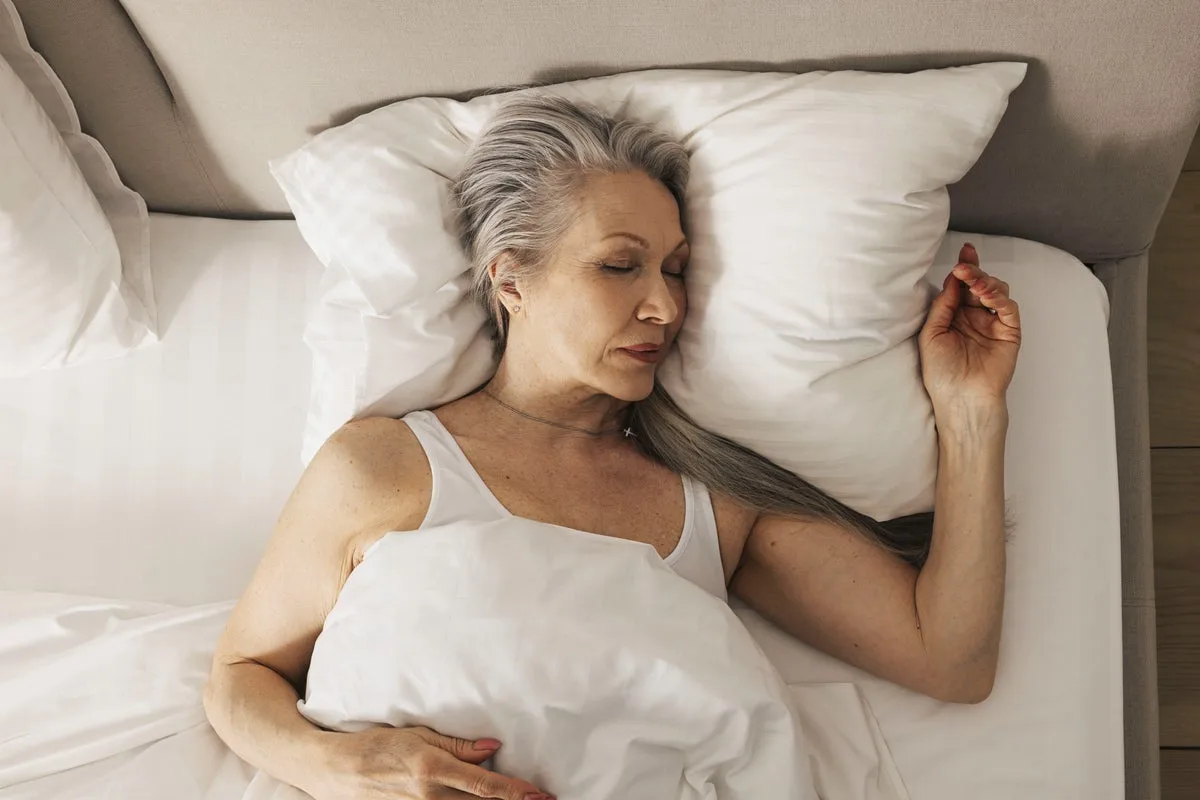
Following a record-breaking summer, the seasons are finally changing. But what effect does the cooler weather have on those going through menopause ?
“The cold weather can make going through perimenopause and menopause worse for some women, and make their symptoms harder to manage,” says Dr Nikki Ramskill, women’s health GP, British Menopause Society (BMS) registered menopause specialist and founder of The Female Health Doctor Clinic in Milton Keynes.
“Declining oestrogen levels not only affect how a body regulates temperature, but a whole host of symptoms caused by hormonal changes are compounded by cold weather and lack of sunlight.”
Here we take a look at what you might experience as a result of the changing weather.
Getting up in the dark is a struggle for most people, but Ramskill explains why it’s worse when oestrogen levels are in decline: “Lack of sunlight and shorter days make everyone feel miserable. Less daylight can affect our circadian rhythm, and lack of vitamin D from sunlight will cause tiredness and aches and pains.
“But if your oestrogen levels are low, it also reduces serotonin and dopamine activity in the brain which then leads to low mood and anxiety. Also, hormonal shifts make women at this stage of life more vulnerable to Seasonal Affective Disorder ( SAD ).”
Many menopausal women say they feel stiffer in colder weather, which Ramskill explains is also down to a lack of vitamin D. She says: “If you’ve got got darker skin or you cover up a lot in the summer, you won’t build up the vitamin D stores in the summer, and then when we hit winter , many people dip into deficiency.
“So, if you’re already getting a lot of aches and pains because of low oestrogen, lack of vitamin D just compounds the problem, which we then make worse because we move about less because it’s dark and cold outside, and we put off going to the gym.”
She also suggests that the old wives’ tale of people ‘feeling weather’ in their joints is backed up by science. “Some people are very sensitive to barometric changes and get pains in their fingers or knees. This is because we’ve got fluids in our joints which are probably responding to the environment, and without the anti-inflammatory effect of oestrogen, inflammation can be a problem.”
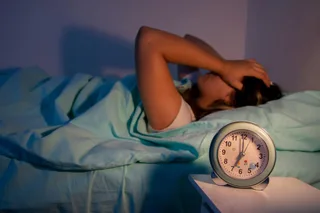
Not being naturally woken up by the sunlight in winter flattens the circadian rhythm and stops morning serotonin production, which means menopausal women get a double whammy of lack of serotonin in winter from lower oestrogen levels.
Ramskill explains: “The lack of serotonin affects melatonin production, which is the hormone that controls your sleep -wake cycle, leading to fragmented sleep.
“Plus, low oestrogen affects the body’s ability to regulate its temperature, causing night sweats, which will be worse in winter due to heavier night clothes and bedding.”
And she adds: “Reaching for the hot drinks in the cold weather may also mean you’re inadvertently having more caffeine than you need.”
Lack of oestrogen causes the skin’s natural moisturisers of oils and ceramides to decline sharply during menopause, causing dry and itchy skin.
5News aggregated this summary from the outlet’s public feed. The full article, with all the context, is on www.independent.co.uk — the content belongs to The Independent Health.