As a doctor, I say this: before we even consider assisted dying, fix how we care for the most vulnerable | Zubir Ahmed
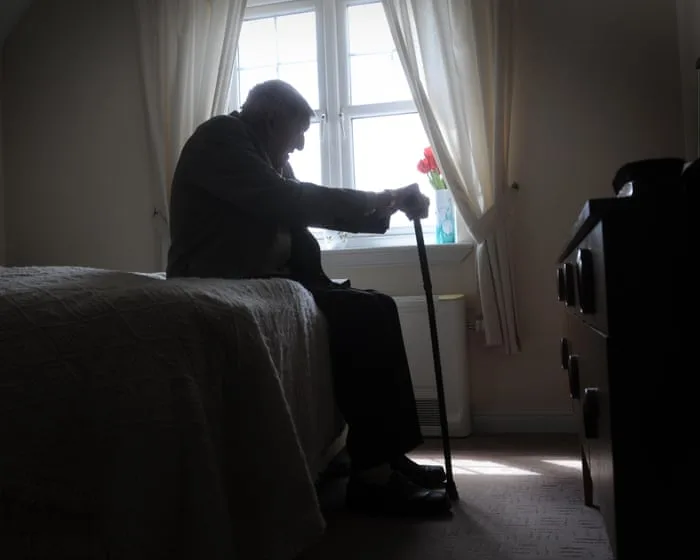
A person’s wish to die can be shaped by whether they have access to proper palliative care – and in England and Wales, too many do not
A s a doctor, I have spent much of my professional life caring for people at some of the most vulnerable moments they will ever face. I have seen the anxiety that surrounds the prospect of dying, and the desperate wish of patients and families to avoid unnecessary suffering.
Naturally, we all want people facing the end of life to be treated with kindness and respect. But when considering the debate on assisted dying, true compassion demands that we ask a more fundamental question. What kind of society are we building if, before we’ve fixed the systems designed to care for people, we introduce a system designed to help them die?
Andy Burnham has been right to raise this as a priority issue at the start of his tenure as prime minister. Speaking at a care home recently, he explained that assisted dying should not be introduced while Britain’s palliative care and social care systems remain under such strain. A choice between death without adequate care and suicide is not a real choice.
Indeed, as parliament prepares for yet another vote on assisted dying in England and Wales on 11 September, I fear that the offering has been somewhat mis-sold to the public. A state-controlled medicalised dying process is still a process – one where there remain risks of complication and suffering. The reality of assisted dying is more complex than the promise of a perfectly controlled death.
Many people imagine a system where a person facing a terminal illness can choose the exact moment and manner of their death, free from distress. But the legislation does not and cannot provide that certainty. A patient who self-administers medication to begin the dying process may still experience complications. The process may take time; it may require medical intervention. It may not happen where or when the person imagined. The promise of absolute control can therefore become something different in practice: an appearance of choice that does not always deliver the agency people expect.
I am far from the only medical professional to be worried about the prospect of assisted dying being available on the NHS. Among those raising concerns about the bill’s dozens of flaws have been the Royal College of Physicians , the Royal College of Psychiatrists , the Complex Life and Death Decisions (CLADD) group from King’s College London, the Royal College of Pathologists , the British Geriatrics Society and numerous other medical bodies and care authorities. The same concern comes up again and again: is it really a “free choice” when palliative care and social support fall short?
A person’s wish to die does not happen in isolation from their circumstances. It can be shaped by whether they feel supported, whether they fear becoming a burden, whether their family is coping and whether they have access to the care they need. That is why the state of our care systems cannot be treated as a separate issue from assisted dying. Timely access to palliative and social care remains too often determined by where someone lives rather than what they need.
5News aggregated this summary from the outlet’s public feed. The full article, with all the context, is on www.theguardian.com — the content belongs to The Guardian Society Health.