Mayors are the big winners in Burnham’s devolution drive. So what happens to areas without mayors? | John Harris
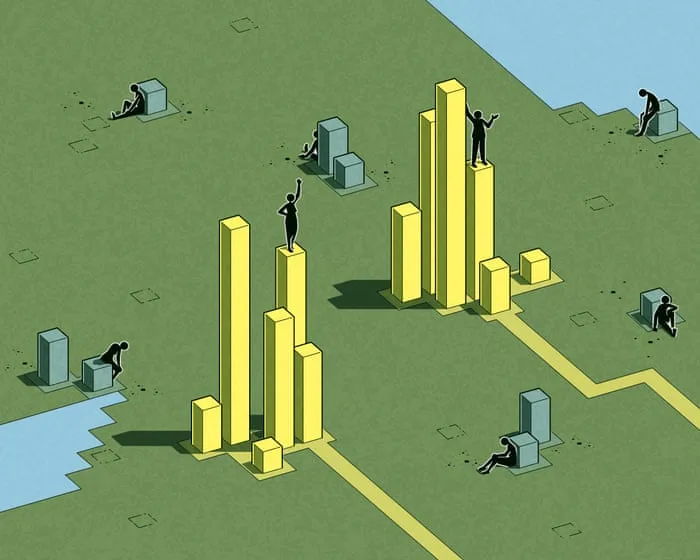
Labour has promised a ‘fundamental rewiring’ of power.
But some areas are years into their devolution journey while others scramble to get started Apart from the joyous hyperactivity that comes with suddenly making it to No 10, there are good reasons why Andy Burnham seems to be a prime minister in a hurry.
If he decides that his first term is going to run to its maximum length, he has three years, which is a maddening time-frame: too long for him to just tinker here and there, set out his long-term vision and then ask the electorate for permission to do more, but probably too short to start and finish many of his key projects.
His chosen solution, it seems, is a mixture of the strategies he would use for each approach, which includes running at some issues at breakneck pace.
So it is with his specialist subject: devolution for England.
The huge changes now afoot actually began under Keir Starmer, with the English Devolution and Community Empowerment Act passed earlier this year.
Areas that previously had two tiers of local government will see them replaced with new unitary councils.
But the most historic move centres on regional mayors – what the government calls “strategic authorities” – and a shift that the Whitehall PR machine is hyping up as a “fundamental rewiring of the way our country works, surrendering power that for too long has been held in Westminster and Whitehall”.
In principle, this is unquestionably worth celebrating.
But it also gives rise to a whole range of increasingly urgent and awkward questions.
John Harris is a Guardian columnist Continue reading...
5News aggregated this summary from the outlet’s public feed. The full article, with all the context, is on www.theguardian.com — the content belongs to The Guardian Politics.