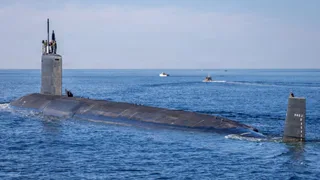
This NATO-backed drone AI picked its own target and struck it, but relied on a human-drawn map to do so
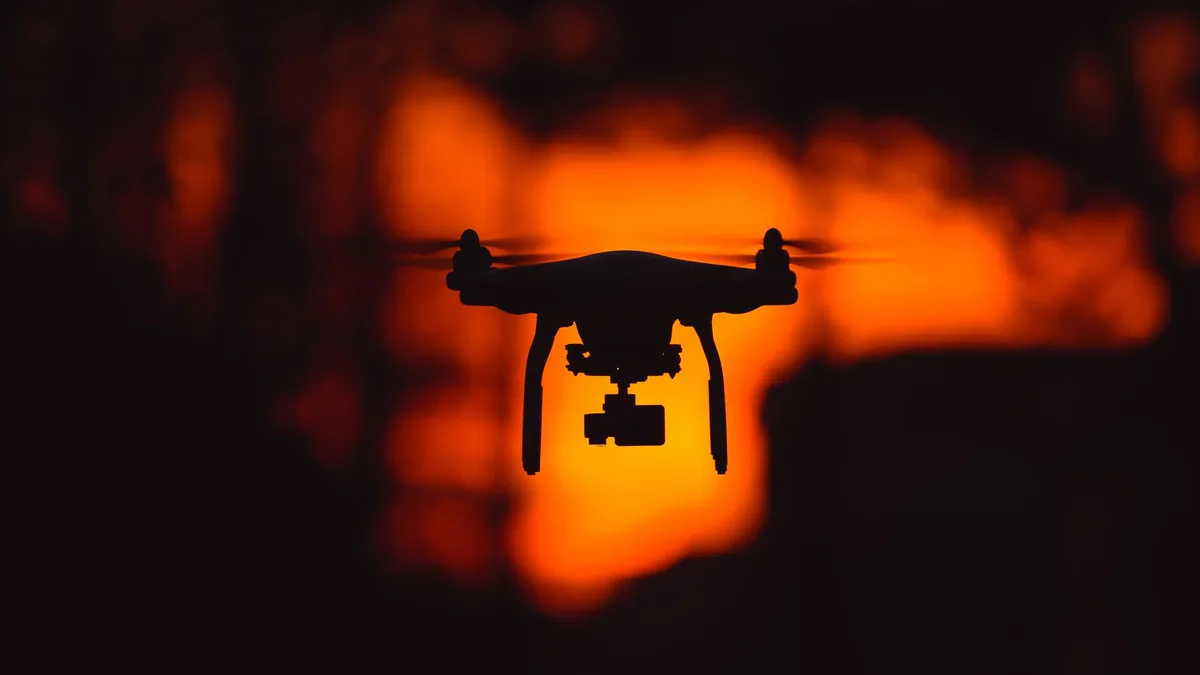
Scaleout's onboard AI let a BAE Systems ALMA drone rank, select, and strike an armored engineering vehicle in a January 2026 demo Humans set the mission, started the system, and kept a pilot in reserve, but did not ultimately use them during the test The test underscores how small AI models can essentially take over not only the target-selection part of the equation, but also perform the actual mission end-to-end without human intervention needed A small drone flying over a snow-covered Swedish test range in January 2026 found several objects, ranked an armored engineering vehicle as the most valuable, and made a beeline for it before dropping an explosive.
There was no human involvement in the entire process, which included selection, targeting, and then neutralization by the drone, making it a considerably more autonomous approach than what the current battlefield uses.
The flight, part of BAE Systems Bofors' Affordable Loitering Modular Ammunition (ALMA) program with onboard AI supplied by Uppsala-based Scaleout Systems, resurfaced this month as AI safety became a key topic among industry and government stakeholders alike.
A growing threat and capability for modern militaries Scaleout Systems tested the AI in question with a pilot on standby and a continuous connection throughout the exercise, during which the drone used AI to detect, identify, and geolocate potential threats.
Depending on how you frame it, you can argue that this is both a threat to modern militaries and a boon: an autonomous drone that can select targets without oversight or a backlink is essentially immune to jamming, offering a much higher likelihood of completing its mission than alternatives.
At the same time, it becomes riskier when it is completely cut off from communications, malfunctions, or fails to select the correct target without human oversight.
Interestingly, BAE Systems Bofors' own release on Winter Demo 2026 does not mention the strike at all.
It frames the three-day Karlskoga event around roughly 20 startups and technology companies, with Swedish Defense Minister Pål Jonson joining a panel and saying, "We need more actors and entrepreneurs in the defense industry." The test, despite lacking human interaction in its end-game, still relied on human input to some degree: a user pushed a button to start the exercise, and humans set the parameters overseeing the entire exercise.
This isn't the first machine to choose its own target, however; Israel's Harpy loitering munition, fielded since the 1990s, can autonomously detect and attack radar emitters whose locations were unknown at launch.
5News aggregated this summary from the outlet’s public feed. The full article, with all the context, is on www.techradar.com — the content belongs to TechRadar.