NetBSD 11 lands with RISC-V support and lightning-fast VM boots
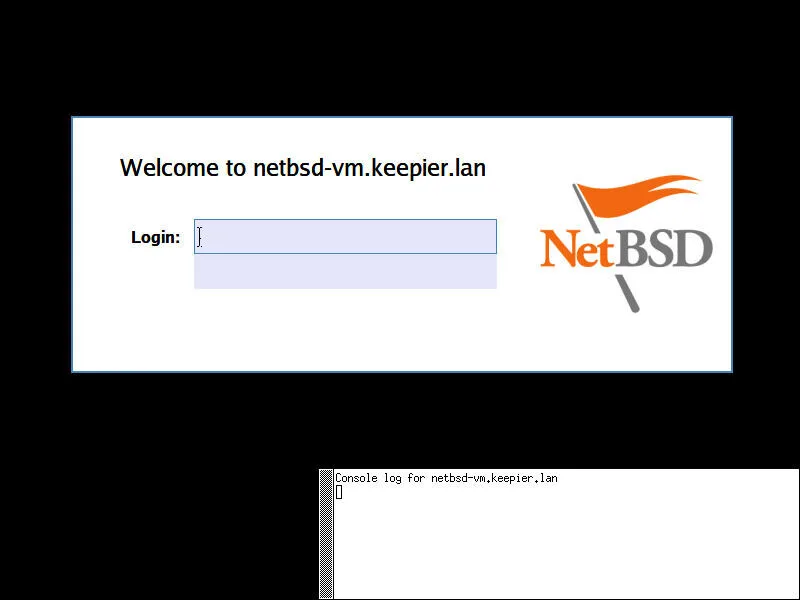
NetBSD's 19th major release adds 64-bit RISC-V support, improved Linux compatibility, and a MICROVM kernel that can boot in milliseconds.
NetBSD 11.0 arrived at the end of July, a little over two years after the project celebrated its 30th birthday with the release of version 10.0.
We looked at what was coming last year.
After multiple release candidates, the final version is here, and we tried it.
NetBSD is a stable, somewhat minimalist, and relatively slow-moving project.
If you're willing to put some work in, this arguably makes it a refreshing change from the ever-accelerating techbro world of Linux.
As The Register noted of Linux 7.2 earlier this week, it is a huge release: the increasingly AI-assisted development process is rapidly adding features and expanding Rust support while shedding compatibility with older hardware.
NetBSD is not static, though.
Version 11.0 nonetheless brings some significant additions.
In addition to nine platforms with Tier I support, including x86-32 and x86-64, Arm32, Arm64, MIPS, and PowerPC, it also has an impressive 52 platforms with Tier II support.
Version 11 brings support for 64-bit RISC-V, greater compliance with POSIX.1-2024 and C23, improved Linux system-call compatibility, and better operation under Xen and QEMU.
A new dedicated MICROVM kernel supports both 32-bit and 64-bit x86 guests and can boot in about 10 milliseconds on 2020-era processors, according to the project.
The new RISC-V port supports QEMU, while the new virt68k port runs the Motorola 68000 version of NetBSD under QEMU using paravirtualized devices.
There's preliminary support for Qualcomm Snapdragon X Elite, meaning PC-like Arm64 systems, and the npf firewall has been improved.
5News aggregated this summary from the outlet’s public feed. The full article, with all the context, is on www.theregister.com — the content belongs to The Register.