DoE seeking fault-tolerant quantum computer ... by 2028
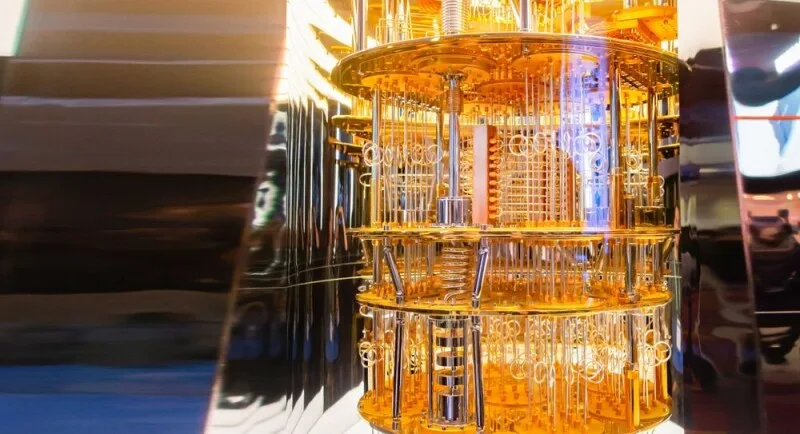
The US Department of Energy hopes to spur creation of something no one has yet realized: a fault-tolerant, scientifically relevant quantum computer, and to do it within a couple of years with relatively little federal funding upfront.
The DoE announced its Quantum Genesis Q Competition, an initiative that it said in a request for applications on the program’s opportunity site aims to produce a first-generation fault tolerant, scientifically relevant quantum computer (SRQC) by 2028.
If that sounds like a lofty goal in and of itself, that goal only becomes loftier when you realize what sort of research grants the DoE intends to award.
The department anticipates up to $215 million in funding for the program, subject to congressional appropriations, with the money tied to milestones rather than simply handed out upfront.
Up to ten awardees will be selected, with each eligible for up to $1.5 million during the first phase of the competition.
All but $250,000 of that will be held back until awardees deliver a validated prototype about a year into the contest, meaning those whose verification and validation plans are approved by DoE will have just $250,000 in milestone funding upfront before delivering the prototype.
Those who succeed in delivering a validated prototype will be eligible to move into the next phase, where participants can share a $100 million incentive pool in their bid to build a first-generation SRQC by fall 2028.
DoE’s illustrative benchmark for the prototype calls for at least 10 logical qubits (quantum bits) capable of performing 10³ hard operations.
For the first-generation SRQC, DoE’s illustrative benchmark rises to at least 100 logical qubits capable of performing 10⁵ hard operations with fault tolerance.
Fly me to the quantum moon on a paper-mache rocket The DoE is asking for a lot, and it’s not giving the private entities it’s hoping to entice much to accomplish its requests.
For those thinking that quantum systems with bigger raw qubit counts have already been built, that’s correct.
Caltech researchers last year demonstrated an array of 6,100 qubits.
Those are physical qubits, however, while DoE’s targets are measured in logical ones.
Logical qubits are a solution to the tendency for quantum computers to be quite error prone because qubits are incredibly fragile.
5News aggregated this summary from the outlet’s public feed. The full article, with all the context, is on www.theregister.com — the content belongs to The Register.