Flat broke: What it's really like for young London renters
As graduates head to the capital to start their careers, Prudence Ivey looks at whether even the dingiest flatshare is affordable in 2026
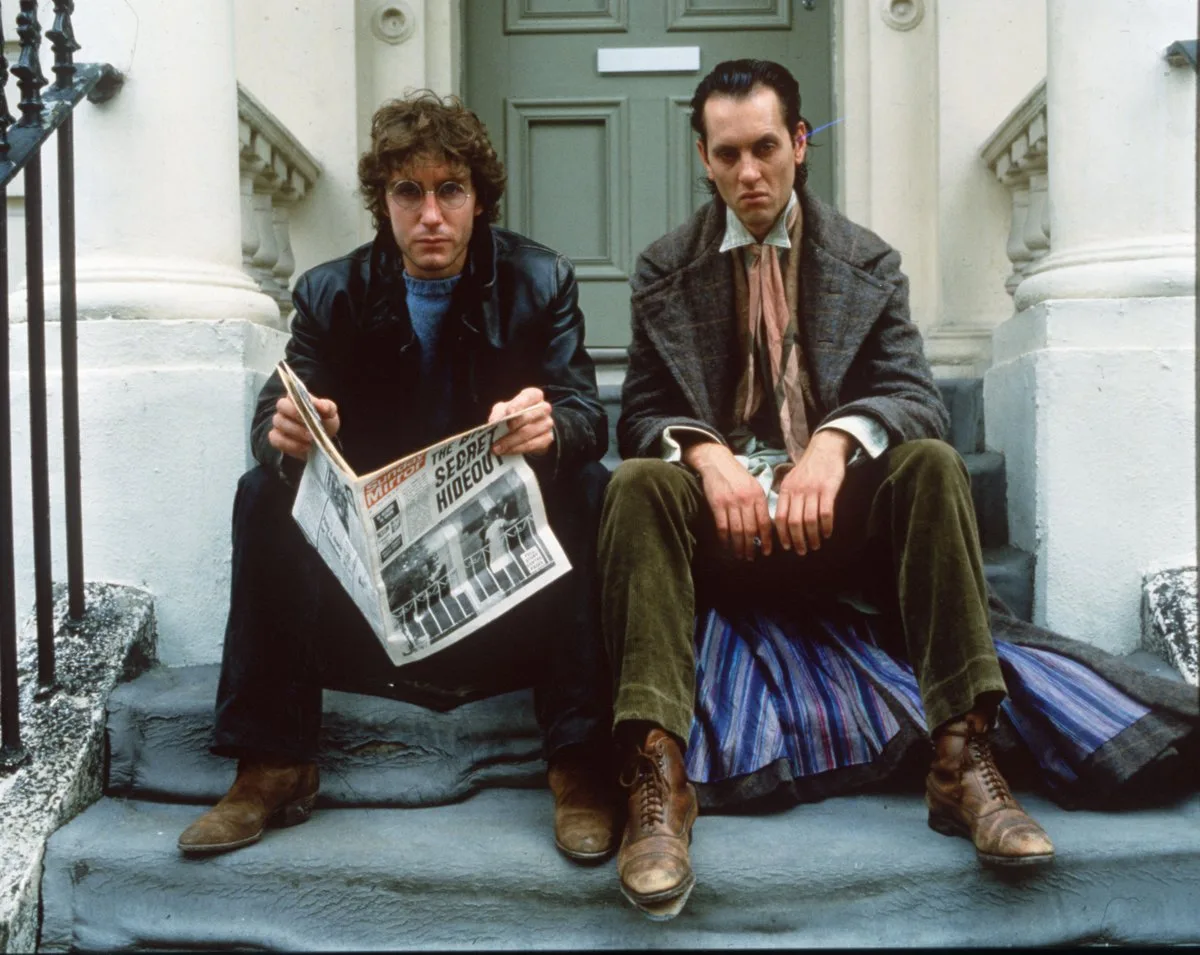
Can you truly claim to be a Londoner if you didn’t spend your early adulthood in the capital living in grotty digs with an evolving cast of oddballs and dishwashing shirkers? Immortalised in everything from The Young Ones to This Life, Spaced, Peep Show and Crashing, it’s a lifestyle approved by none other than Margot Robbie, who often speaks of her time in a Clapham house share as one of the happiest in her life. At best this scenario fixed you up with a crowd of like-minded friends for life. At worst, you would line up a series of hilarious anecdotes to make you seem edgy during a staid middle age.
Margot Robbie once shared a house in Clapham Getty But is any of this horror and hilarity even an option for today’s graduates and first-jobbers, even those lucky ones with a wage? There has always been a financial motivation for living in “bohemian” squalor, but rents have risen steadily in a way that starter salaries have not, putting even the crummiest rooms out of bounds for some.
The average cost of renting a room in inner London currently stands at £979 per month, according to flatshare site SpareRoom . To be classed as “affordable”, housing should take up no more than 30 per cent of your take-home pay, but as many as 40 per cent of London renters now shell out more than half of their incomes on rent.
And that’s if they can even find a room. Rental supply has dwindled in the capital thanks to increased taxes on landlords and now the Renters’ Rights Act, which came into force earlier this year and precipitated a five per cent drop in flat share supply. “Graduates entering the post-summer rent rush will find competition in London is high,” says Matt Hutchinson, communications director of SpareRoom. “Rental supply in the capital is now in decline and, because of the high cost of living, graduates are battling for rooms in flatshares with a growing number of young and middle-aged workers who’ve been priced out of renting solo or buying.”
The flatmates in Channel 4 show Fresh Meat Channel 4/Ray Burmiston Unsurprisingly, the number of young renters in London is falling. Hamptons research shows that renters aged under 25 make up just 12 per cent of tenants in London, down from a peak of one in five in 2011/12. In the past year alone the number of renters aged 16-24 fell by 11 per cent as more young people opt to stay living at home for longer.
While there are clear financial incentives to do this, the arrangement has its downsides. “When you live at home, you pay with other things than money,” says 25-year-old Gargi, who moved from Copenhagen to London a year ago. “There’s a growth element in moving out.”
Gargi, who works in consulting, took a pay cut to move to a more senior role in London.
5News aggregated this summary from the outlet’s public feed. The full article, with all the context, is on www.standard.co.uk — the content belongs to Evening Standard.