Urine test can spot more than nine in 10 bladder cancers
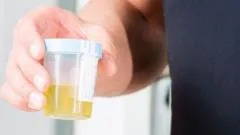
An at-home urine test that the NHS has been trialling can detect more than nine in ten cases of bladder cancer, latest findings show.
The study, published in European Urology Oncology, was led by the University of Birmingham and a diagnostics company Nonacus, and involved nearly 1,000 patients at seven hospitals in England and Scotland.
Researchers hope it could reduce the number of patients needing urgent, more invasive procedures, called cystoscopies, which involve inserting a small camera up the urethra and into the bladder.
If a larger trial is successful, it could mean tens of thousands of patients a year are spared these tests.
More than 300,000 cystoscopies are performed in the UK each year and there are significant waiting lists in some areas.
While the urine test is not a replacement for cystoscopies, it could help doctors identify patients at greater risk who should be prioritised for urgent ones rather than wait.
This NHS trial found that the Galeas urine test identified 92% of bladder cancer cases.
A negative result meant there was more than a 99% chance that the patient did not have bladder cancer.
It checks for any genetic material shed into the urine by bladder cancer and was originally developed by the University of Birmingham with funding from Cancer Research UK (CRUK).
It looks for more than 450 DNA mutations associated with bladder cancer across 23 genes.
Prof Richard Bryan, co-author of the study and from Birmingham University, said after spending years developing and evaluating the science, it was exciting to see "very promising early performance" in a large real-world patient population.
Under a licensing agreement, the test has been commercialised by Nonacus, which pays back part of the revenue to the University and CRUK.
Michelle Mitchell from CRUK said: "Too many people are waiting longer than they should for a bladder cancer diagnosis, and it's essential that we find ways to tackle this problem.
"It's early days for this test and further research is needed, but it's vital that we continue to find faster and less invasive ways to help diagnose or rule out cancer."
5News aggregated this summary from the outlet’s public feed. The full article, with all the context, is on www.bbc.co.uk — the content belongs to BBC News UK.