Rare cows part of estate's rewilding project
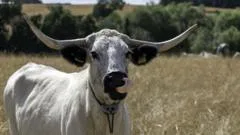
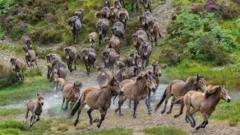
A rare breed of cattle has been introduced to the grounds of a historic house in North Yorkshire as part of a 30-year conservation project.
The arrival of the White Park cows, thought to be one of the most ancient species of its kind, is the latest phase of the Bog Hall rewilding scheme on the Castle Howard Estate, near Malton.
Their grazing in the newly-sown meadows would "help create a more varied habitat structure", the estate said.
Head of natural environment, Guy Thallon, said reintroducing animals had been "inspiring for the whole Castle Howard team and beyond", with further plans to release beavers in the autumn.
Approximately three miles (5km) of fencing has been installed ahead of their release, with badger tunnels and otter passes built to maintain safe routes for wildlife.
"The conservation volunteers have been preparing the site by creating ponds and planting willow," Thallon said.
"We can't wait to see the positive impact of nature's engineers in the coming years."
Meanwhile, the cows have taken up residence in the project area, where they will live outside all year round.
The herd was chosen because it is suited to "outdoor conservation grazing, including in wetter grassland habitats", the estate added.
It is priority-listed by the Rare Breeds Survival Trust, which describes it as "likely the most ancient native cattle in the British Isles".
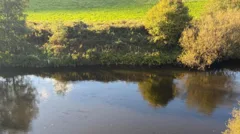
The Bog Hall Habitat Bank project hopes to restore and rewild 440 acres of agricultural land into a "thriving space for nature", the estate said.
Part of the area, which sits within the Howardian Hills National Landscape, is designated as a Site of Importance for Nature Conservation.
The project is being delivered in partnership with biodiversity research organisation Environment Bank.
The scheme began in 2024 and volunteers have so far restored meadows and created scrub banks to protect saplings.
5News aggregated this summary from the outlet’s public feed. The full article, with all the context, is on www.bbc.co.uk — the content belongs to BBC News Science and Environment.