Ramsbury: Where the Field Becomes the Bottle
Ramsbury Estate PRESS HANDOUT Douglas Blyde 2 minutes ago COMMENTS Leaving behind The Bell at Ramsbury, and its paintings depicting unusually cheerful US presidents, I climb into a Defender with Nik Fordham and head for higher ground. There is a point, somewhere above the village, when the bottles begin to make sense. Fordham gestures across cereal fields, hedgerows and woodland. ‘If you look around here, basically everything is ours,’ he says, then corrects himself. ‘Ours, as in Ramsbury.’
That distinction matters. Ramsbury is not a distillery with a photogenic field conveniently attached. The wider estate covers some 19,000 acres across Wiltshire, Berkshire and Hampshire, around 7,000 of them farmed directly. The brewery and distillery sit within a considerably larger agricultural system.
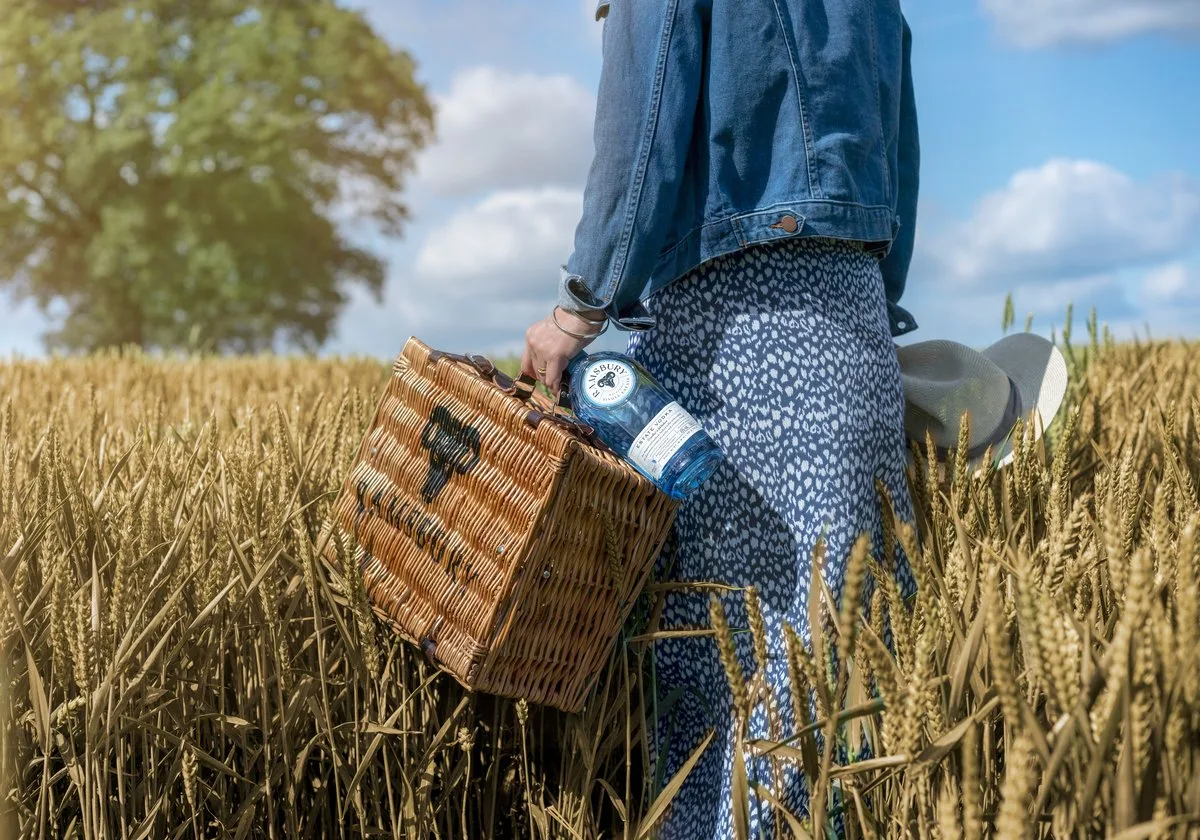
Wheat for the spirits grows here, as does barley for the brewery. Water comes from the chalk beneath the estate. Spent grain and distillers’ lees feed cattle. Woodland supplies fuel for a biomass boiler. Wastewater is treated through reed beds. Even the coordinates of the field in which the grain was grown appear on the bottles.
‘Complete traceability all the way through the field, all the way into the bottle,’ says Fordham.
‘Field to glass’ is one of those phrases drinks marketing has nearly worried to death. At Ramsbury, unusually, you can drive through the field. Fordham, Ramsbury’s General Manager and Master Distiller, is a particularly useful person with whom to do so because his fascination lies in how things work.
He studied chemistry and biology before distilling found him. By 2008 he was Distillery Manager at Beefeater, subsequently becoming Master Distiller and Head of Operations at Bombay Sapphire, and helping deliver the move to its showpiece Laverstoke Mill distillery. From 2017 came five years at Tarquin’s Gin, latterly as Head of Operations, before he joined Ramsbury in 2022. Along the way he earned a diploma in distilling and the Worshipful Company of Distillers’ scholarship award for excellence.
It explains why he looks across farmland and sees engineering. The vast CLAAS combines are GPS-guided. Satellite imagery can monitor crop emergence. Soil analysis determines where inputs are required, while sophisticated sprayers can avoid covering the same ground twice.
Inside the grain store, a machine uses 16 cameras and compressed-air jets to inspect two to three tonnes of grain an hour, ejecting individual kernels which fall outside tolerance. Fordham says it cost around £75,000 and may be required for only a couple of months each year. It is less Constable than control room.
This year brought another example. After a wet winter came prolonged dryness, leaving some grain at around 12% moisture. Rather than waiting for the day to warm, GPS-guided CLAAS combines were sent into dewy fields earlier in the morning, allowing the crop to regain a little moisture before harvesting. Weather here is not picturesque background.
5News aggregated this summary from the outlet’s public feed. The full article, with all the context, is on www.standard.co.uk — the content belongs to Evening Standard.