The food group that’s key to preventing muscle injuries in middle age
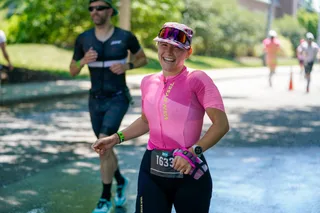
More and more people over the age of 50 are taking up physical exercise . Medical associations resoundingly agree that this is a good thing. Physical exercise is not only key to disease prevention, but it is also a recommended part of treatment for many illnesses.
However, starting to move at this stage of life requires some care. This is especially true for those who have not previously been physically active, or for people who are overweight or obese.
It has been proven that starting to exercise with routines that are too demanding can lead to significant muscular and skeletal injuries, especially if combined with an inadequate diet. This risk is even greater after the age of 50, as the loss of muscle and bone mass is more pronounced due to natural ageing processes.
Before starting any new exercise programme, it is a good idea to carry out a complete analysis, especially to assess the need for micronutrient supplements.
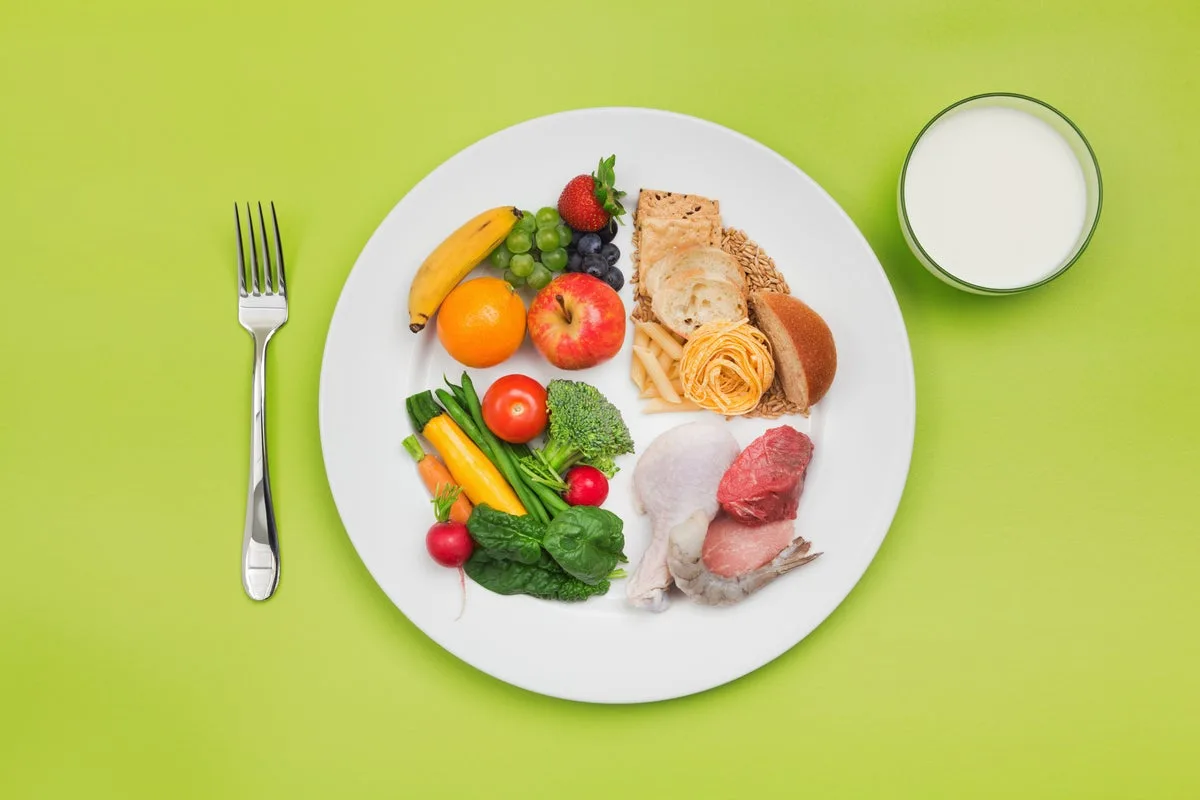
In addition to micronutrients, the body also needs carbohydrates , fats and proteins – known collectively as macronutrients.
Proteins provide the body with the essential amino acids needed to maintain and develop muscle mass, and to prevent sarcopenia: age-related muscle injury, osteoporosis, and loss of muscle mass and strength (formerly referred to as frailty).
Protein requirements vary according to an individual’s clinical situation. In people over 50 years of age who are moderately physically active, protein requirements range from 1 to 1.5 grams per kilogram of body weight per day.
However, it is not advisable to increase protein intake without a corresponding increase in physical exercise. Too much protein can actually have harmful effects, especially on bone health, as it has been observed to increase calcium excretion in the urine (calciuria) due to decreased tubular calcium reabsorption.
Protein sources should combine those of vegetable origin – soy, beans, seeds, peanuts, lentils, and so on – with those of animal origin, such as eggs, dairy products, chicken and fish.
While the ideal is to have a balance of both, it has been shown that following a vegetarian diet is compatible with high-performance sports, so long as there is suitable medical and nutritional monitoring.
In addition to what you eat, it also matters when you do it. Spreading protein intake throughout the day is more beneficial than concentrating it in a single meal.
You should also eat protein 30 minutes before or after exercise, as its absorption and availability in the body will be better.
Some micronutrients – by which we mean vitamins and minerals – play a key role in physical exercise at this age. These include magnesium, calcium and vitamin D .
Magnesium aids muscle recovery and bone formation, and can be found in foods such as wheat bran, cheese, pumpkin seeds and flax seeds.
5News aggregated this summary from the outlet’s public feed. The full article, with all the context, is on www.independent.co.uk — the content belongs to The Independent Health.