Linux founder Linus Torvalds says AI is a “gateway drug” into programming — but cautions about using AI for “serious” work
For all the doom and gloom headlines AI is driving these days, one important person just gave a refreshing new take on it - none other than Linus Torvalds, the founder and key maintainer of the Linux kernel.
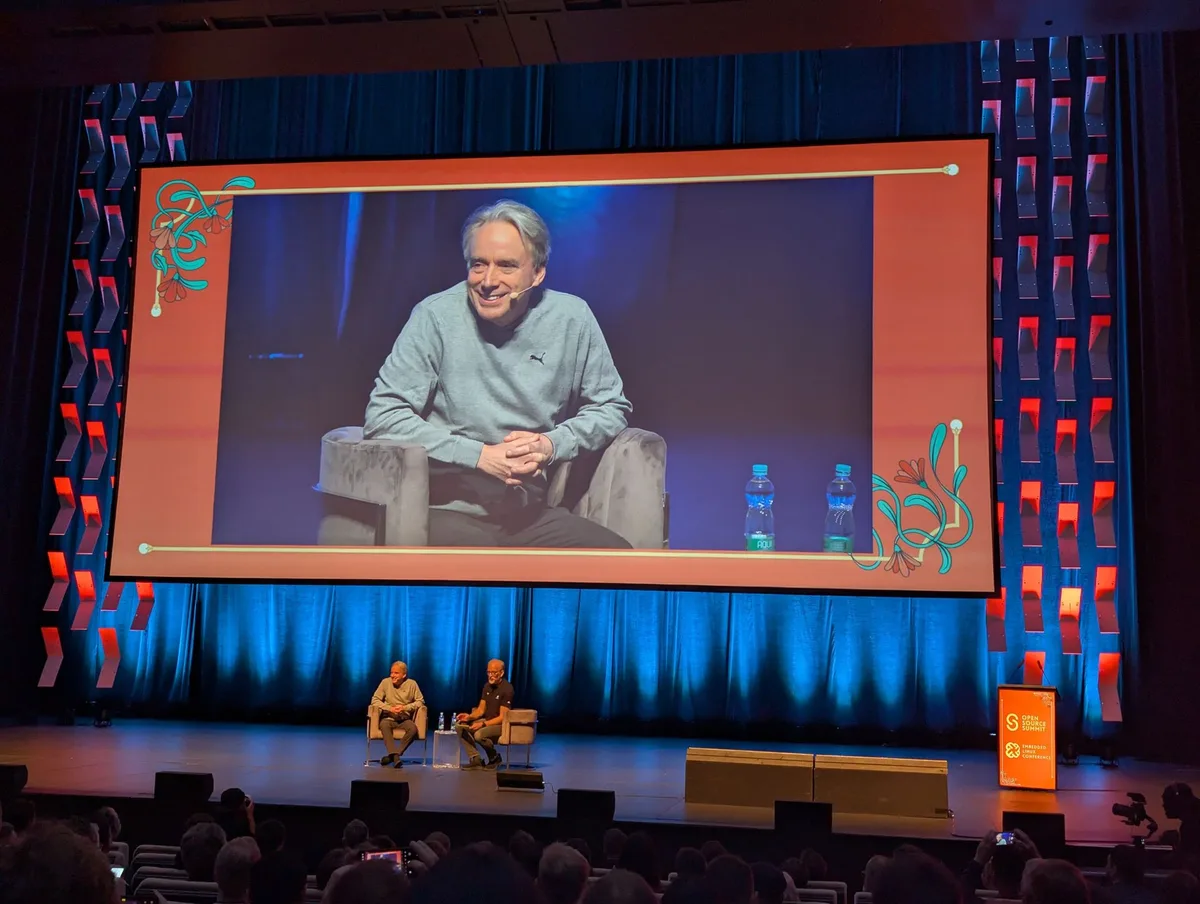
At the recent Open Source Summit, organized by the Linux Foundation in Prague, Czechia, Torvalds took the stage to reminisce about the early days of Linux, how he ended up building Git, but also how AI changed what it meant - and how it felt - to be a programmer today.
His key takeaway is that AI can make programming less intimidating for junior coders and teens looking to find their way in an otherwise scary, hyper-advanced industry.
“People love to hate AI.
I think it's an interesting tool, very useful.
It's a gateway drug and a way to do really good code,” he said, somewhat jokingly.
On AI and “sucking” Speaking more about AI, Torvalds said that in his early days as a programmer, he made computer games which “sucked”, but it was fine because everything else also “sucked” back then.
“At the time, the bar was pretty low, right?,” Torvalds said, adding that he didn’t feel ashamed of his work when comparing it to what was already out there.
However, younger coders walking into the industry today can easily feel ashamed of their “pitiful, small efforts”, when comparing themselves to all of the polished, professional work around them.
And that is exactly where AI can help, he feels.
It can lower the bar to entry, so that those first steps don’t feel as meaningless and inconsequential as they otherwise might have.
“When you are getting into programming, the bar needs to be low enough that you can start the process and find enjoyment, so that you can easily learn.
And it will take you a long time to learn,” Torvalds said.
But he also cautioned about using AI for “serious” work, especially when starting out.
5News aggregated this summary from the outlet’s public feed. The full article, with all the context, is on www.techradar.com — the content belongs to TechRadar.