Samsung could follow Micron by outsourcing DDR5 and SSD production to third parties to focus on more lucrative HBM and enterprise products — could SanDisk follow suit?
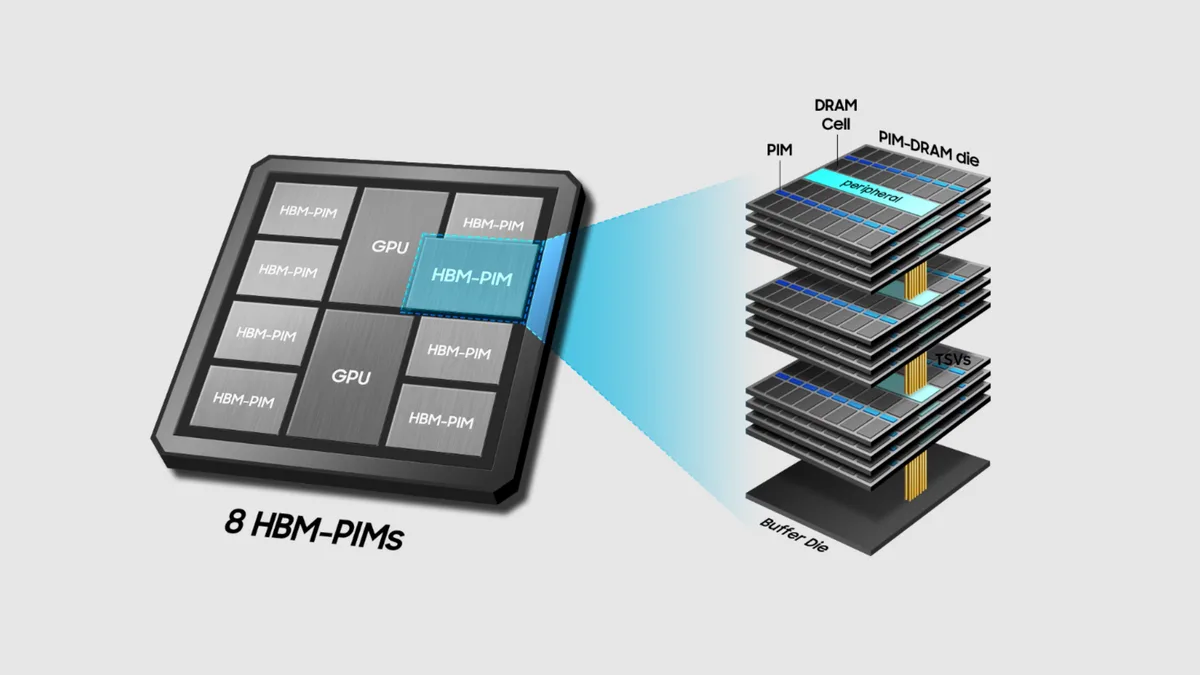
Samsung is shifting additional DDR5 and SSD production to outside manufacturers The company needs internal factory space for advanced HBM production DDR5 module assembly remains simpler than advanced HBM packaging processes Samsung Electronics is shifting all additional production of conventional memory modules onto outsourced partners going forward.
The company is directing capacity growth for DDR5 modules and SSDs toward external firms, reserving its in-house capacity for the more advanced HBM packaging process.
Industry sources say this reflects Samsung's mounting need to use scarce back-end capacity more efficiently.
A deliberate pivot toward outsourced capacity “Samsung Electronics lacks space to expand existing back-end production lines needed to manufacture semiconductors for artificial intelligence (AI), so it is reallocating space and equipment at packaging plants in Cheonan and Onyang to advanced packaging lines, including HBM,” a person familiar with the matter said.
“The company has decided to handle most increases in conventional memory module production through outsourcing rather than expanding its own capacity.” Samsung has reportedly pressed its outsourced semiconductor assembly and test partners to expand capacity for DDR5 modules and SSDs.
The company has even gone a step further by asking partners to accelerate capacity expansions that were already part of its existing plans.
Several partners are already scaling up in response, including Dreamtech, Hanyang Digitech, and SFA Semicon.
Dreamtech began mass producing DDR5 modules in India last November and approved further equipment investment in June.
Its Noida facility, previously used for smartphone circuit board assembly, will eventually reach an annual capacity of over 50 million units.
Hanyang Digitech has invested more than 31.5 billion won in 2026 so far to automate its existing memory module plant located in Vietnam.
SFA Semicon is relocating DDR5 testing and assembly equipment from Samsung's Onyang campus to a new site in the Philippines.
That transition begins in November, with a second phase following during the second quarter of 2027.
Limited space drives the broader manufacturing shift Samsung's own capacity constraints stem partly from a new HBM plant under construction at its Onyang campus, valued at 6 trillion won.
That facility will take multiple years to finish, leaving little room for conventional module expansion in the meantime.
5News aggregated this summary from the outlet’s public feed. The full article, with all the context, is on www.techradar.com — the content belongs to TechRadar.