Intel Arc G3 handhelds offer amazing performance, but good luck actually being able to afford them
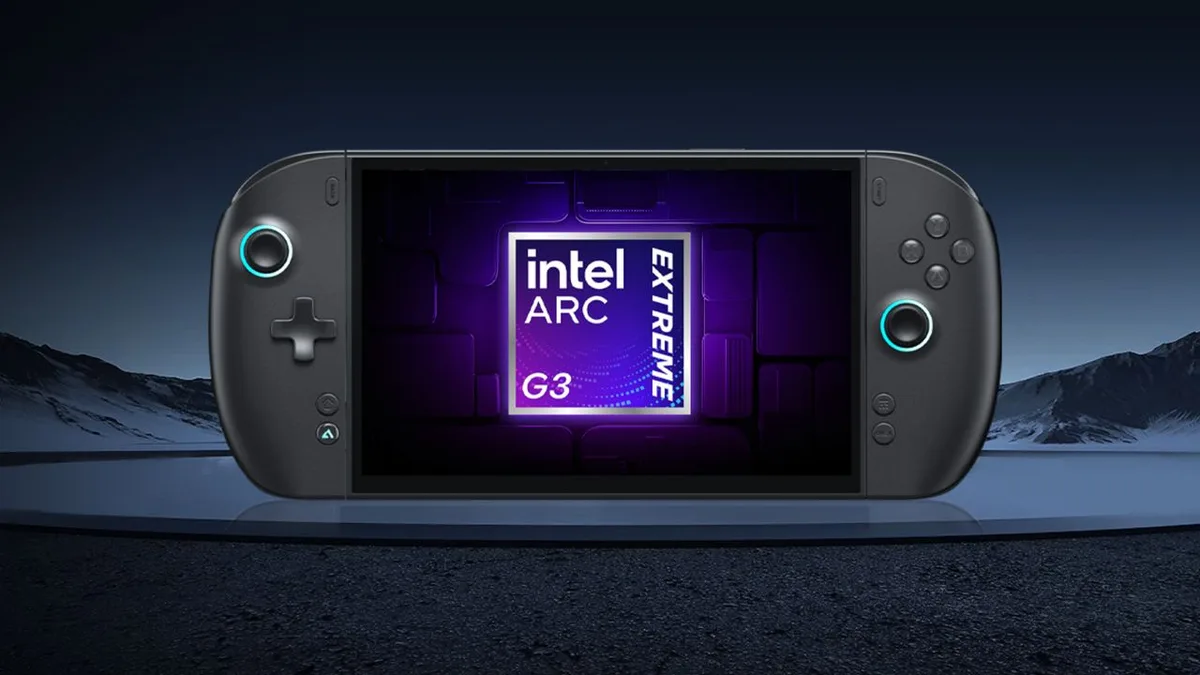
It has been a few months since Intel rolled out XeSS 3 with its Multi-Frame Generation to any Arc-supported device.
With the unveiling of dedicated handheld gaming PCs using the tech, such as the MSI Claw 8 EX AI+ , Acer Predator Atlas 8, and OneXPlayer 3, hardware manufacturers are finally cashing in on the promised performance capabilities that were previously only dreamt about: no-compromise playable framerates and high-resolution PC gaming in your pocket.
Multi-Frame Generation and AI-powered upscaling technology like Nvidia DLSS and AMD FSR have become essential for PC gaming in 2026.
Even the best graphics cards on the market need a boost from a hand-tuned algorithm that interlaces generated frames with purely rasterized ones.
In short, that means a higher-than-native framerate with a (hopefully) minimal impact on image fidelity.
Intel XeSS 3 is Team Blue's latest version of the tech, and its USP for how it works with Arc graphics isn't relegated to the best gaming PCs or the best gaming laptops .
Now, as the Intel Arc G3 lineup makes its way to new handhelds, MFG becomes a reality for the form factor.
Finally, Full HD (1080p) at playable framerates on a small, portable, handheld gaming device.
However, it's not all good news; it comes at a cost, and it could bury the appeal of these devices completely.
The Intel Arc G3 lineup is a geniune generational leap for handheld gaming (Image credit: Intel) The core of the Intel Arc G3 Extreme chips, and the rest of the lineup, can best be summarized in four core pillars: Performance, Integration, Efficiency, and Software.
It's the third generation of the purpose-built SoCs from Team Blue, primarily built for handheld devices.
Intel promises AI-based upscaling, MFG, DirectX 12 Ultimate support, and full ray tracing at a low wattage with high performance capabilities.
It's claimed that the company's partner devices, such as the aforementioned MSI Claw 8 EX AI+ and Acer Predator Atlas 8, can expect up to 11 hours of gameplay, while being "up to 42% faster than the competition on average".
It's early days for Intel's partner devices, which are yet to properly hit the market; however, the company's internal benchmarks give us a rough idea of how much more capable the G3 Extreme is at 35W when weighed up against the previous-generation Arc graphics found in the Intel Core Ultra 7 258V at 30W.
5News aggregated this summary from the outlet’s public feed. The full article, with all the context, is on www.techradar.com — the content belongs to TechRadar.