Friday, 9 October 2026 SourcesAbout🌓
🇬🇧 UK ▾
BREAKING
› Chelsea latest: Caicedo features in friendly as midfielder steps up recovery› Swiss Darts Trophy 2026: Schedule, draw, dates as Bunting defends his title› 'It's about time!' - F1 drivers excited amid Rwanda GP rumours› 'Stick together, enjoy the ride and smile' - Haaland's message to Man City fans› Campbell would end retirement to fight Benn: 'He was insulting me!'› Russell, Antonelli to race with different specs amid Mercedes upgrade concern› 'It wasn't good enough' - Hamilton reveals 'huge' talks over Ferrari blunder› Southampton boss Eckert welcomes 'clarity' after Spygate suspended FA ban› Papers: Fee Man Utd could receive for wantaway JJ Gabriel revealed› Wilder could feature on the undercard of Fury vs Joshua fight› Chelsea latest: Caicedo features in friendly as midfielder steps up recovery› Swiss Darts Trophy 2026: Schedule, draw, dates as Bunting defends his title› 'It's about time!' - F1 drivers excited amid Rwanda GP rumours› 'Stick together, enjoy the ride and smile' - Haaland's message to Man City fans› Campbell would end retirement to fight Benn: 'He was insulting me!'› Russell, Antonelli to race with different specs amid Mercedes upgrade concern› 'It wasn't good enough' - Hamilton reveals 'huge' talks over Ferrari blunder› Southampton boss Eckert welcomes 'clarity' after Spygate suspended FA ban› Papers: Fee Man Utd could receive for wantaway JJ Gabriel revealed› Wilder could feature on the undercard of Fury vs Joshua fight
Science

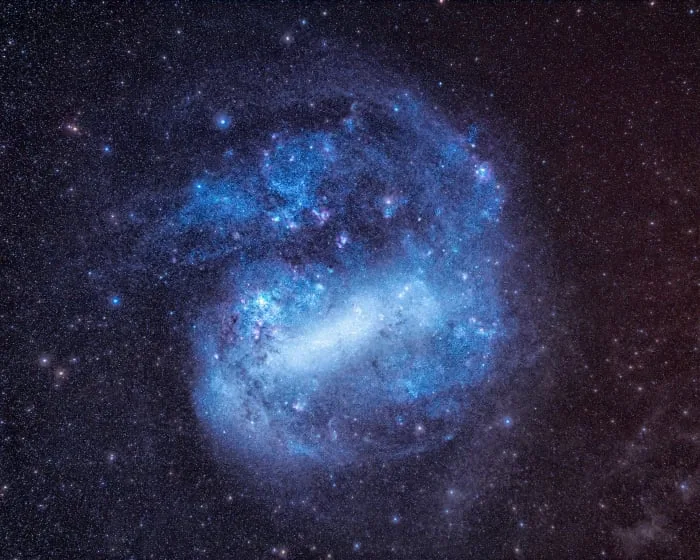
Have scientists finally detected dark matter? - video
The Guardian Science ·
Have scientists finally detected dark matter? - video

For decades physicists have been puzzling over the enigma of dark matter.

We think it makes up 85% of the matter in the universe, but the mysterious substance cannot be seen or detected, and we know about it mainly through observations of the gravitational effects it has on other things.

But now scientists believe they may be a step closer to detecting it.

Science editor Ian Sample explains to Madeleine Finlay why, if confirmed, the finding could completely transform our understanding of the universe.

And Dr Samuel Eriksen, senior research associate at the University of Bristol, and first author of the research paper, explains how the finding has been received in the physics community Continue reading...

Read the full article on The Guardian Science ›

5News aggregated this summary from the outlet’s public feed. The full article, with all the context, is on www.theguardian.com — the content belongs to The Guardian Science.

More from The Guardian Science

See all ›

More in Science

See all ›