VPN dark web alerts vs. free tools: Are you paying extra for repackaged data?
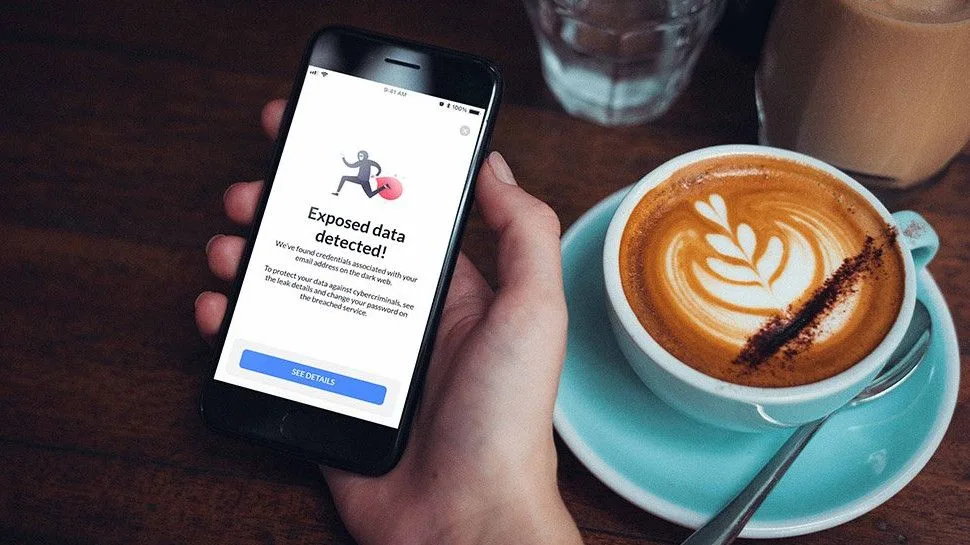
VPN providers are increasingly selling “dark web alerts” as premium security features, marketing them as essential protection against identity theft.
This raises a key question: do paid alerts find unique threats, or just repackage data that's freely available? With subscriptions to the best VPNs already costing up to $10-15 monthly, adding identity protection features can push bills toward $20 a month.
If you’re essentially paying for data available at no cost, that’s money better spent elsewhere.
This article is the third in a series of content relating to Cybersecurity Awareness Month 2026, which runs throughout October.
The previous articles have covered VPN protection when using AI , and the benefits of dedicated antivirus over packaged solutions .
How dark web monitoring works Let’s clear up a common misconception first: VPN services aren’t sending security analysts to actively patrol the dark web hunting for your name.
That would be impossible – the dark web is too vast and constantly shifting.
Instead, what most dark web monitoring services actually do is simpler: they cross-reference your information against massive databases of leaked credentials that have already been publicly disclosed.
These databases contain billions of compromised accounts from data breaches spanning over a decade.
The monitoring happens automatically.
You register your identifiers – such as your email address, phone number, or social security number – the service scans these databases periodically, and sends you an alert if a match appears.
The free option: Have I Been Pwned (Image credit: Have I Been Pwned) For free breach checks, Have I Been Pwned (HIBP) has become the industry benchmark.
Created by security researcher Troy Hunt in 2013, this free service hosts nearly 18 billion compromised email addresses from hundreds of publicized breaches.
Checking is free and requires no account.
5News aggregated this summary from the outlet’s public feed. The full article, with all the context, is on www.techradar.com — the content belongs to TechRadar.