Proton VPN’s anti-censorship Stealth protocol finally lands on the stable Linux release
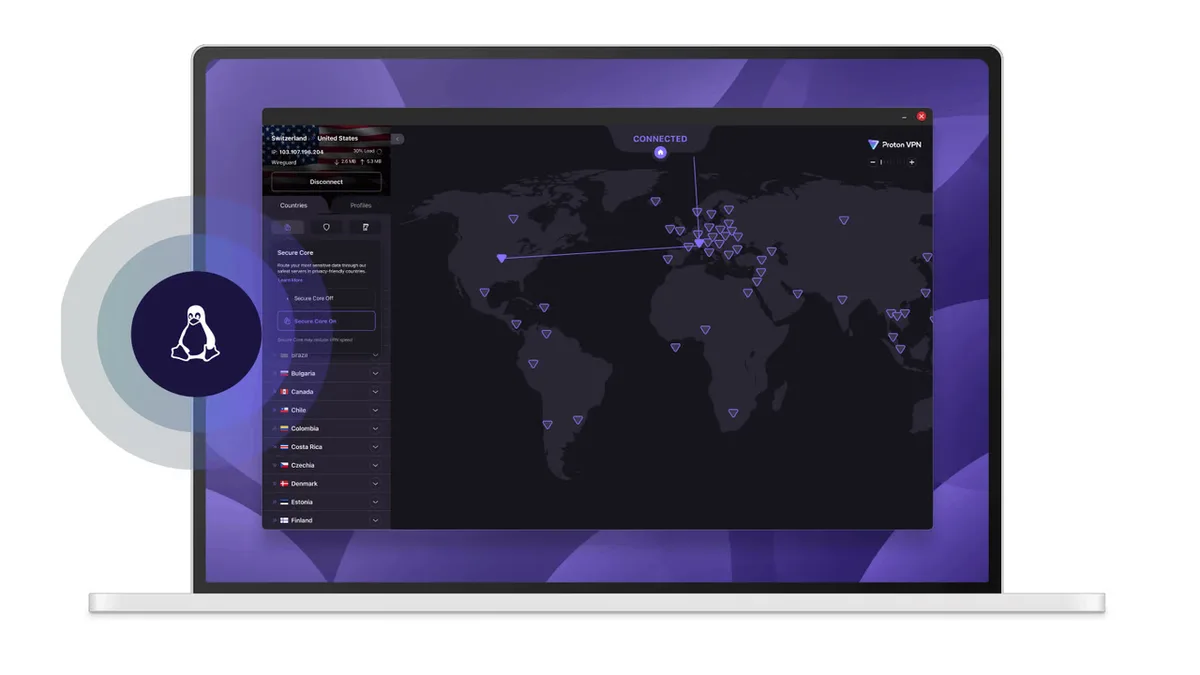
Proton VPN’s Stealth protocol has graduated to a stable release on Linux Users no longer need to switch to beta channels to use it This upgrade follows a string of major Linux-focused improvements If you use one of the best VPN services on a Linux machine, bypassing restrictive firewalls and internet blockades just got significantly easier.
After spending months in a rigorous testing phase, Proton VPN has officially moved its custom anti-censorship Stealth protocol into the stable Linux release.
Announced directly by the Proton Team on Reddit , the highly anticipated update means Linux users no longer have to opt into experimental testing channels just to disguise their VPN traffic.
Instead, the feature is now rolling out to the main branch for everyday users to access out of the box.
This move marks a major milestone following the initial news of Proton VPN’s anti-censorship Stealth protocol finally landing on Linux in beta .
Originally launched to help users in highly restrictive regions like Russia and Iran, Stealth works by obfuscating your connection.
It wraps your VPN traffic in an extra layer of TLS encryption, making it look like completely standard, secure web browsing (HTTPS).
By hiding in plain sight, Stealth makes it incredibly difficult for network administrators, internet service providers (ISPs), and government censors to detect and block your VPN usage using deep packet inspection (DPI).
Proton VPN – best for privacy The popular privacy-first VPN continues to invest in delivering the best Linux VPN possible.
Before adding support for its Stealth protocol, the provider has been upgrading its apps with features like split tunneling, better stability across the board, and broader distro compatibility.
Subscriptions start from the equivalent of $2.99 per month and are all protected by a 30-day money-back guarantee.
View Deal What you need to know about Stealth on Linux Early feedback from the community has been largely positive, though a few users on specific distros, like Debian Sid, noted they temporarily had to revert to WireGuard to maintain a stable connection.
If you hit an issue, the developers request that you submit a bug report including your distro and version, app version, what you were doing, and what exactly went wrong.
While the obfuscation feature has officially graduated to the main stable release, the Proton Team was quick to note that users will still see a "beta" label next to the protocol inside the application itself.
5News aggregated this summary from the outlet’s public feed. The full article, with all the context, is on www.techradar.com — the content belongs to TechRadar.