The blueprint for Burnham’s plan to ‘rewire Britain’ could be found 700 miles away
While his first few weeks in Downing Street have focussed on grassroots policy, the new prime minister has made no secret of his plan to make his premiership a “circuit breaker” for Britain, starting with the “biggest rebalancing of power our country has ever seen”.
The former Greater Manchester mayor wants to bring about the “end of neoliberalism” and move beyond “trickle-down economics”, rooting decision-making and power in communities, rather than centrally in London.
He said that his administration would follow a “Makerfield test”, making decisions based on whether they would improve the lives of people in constituencies like his – a brand of politics driven by lifting up those he believes have been forgotten for decades.
No 10 North, announced to much fanfare last month , is just the start of Mr Burnham’s devolution revolution. He wants far more power transferred from Westminster to local leaders and has already unveiled plans to give all mayors of England's city regions a share of income tax revenue for the first time.
This, combined with a plan to retake public control of essential services, is the key plank in the business-friendly socialist policy agenda Mr Burnham has dubbed ‘Manchesterism’.
But to find an example of how Manchesterism could succeed, you may have to look a little further afield.
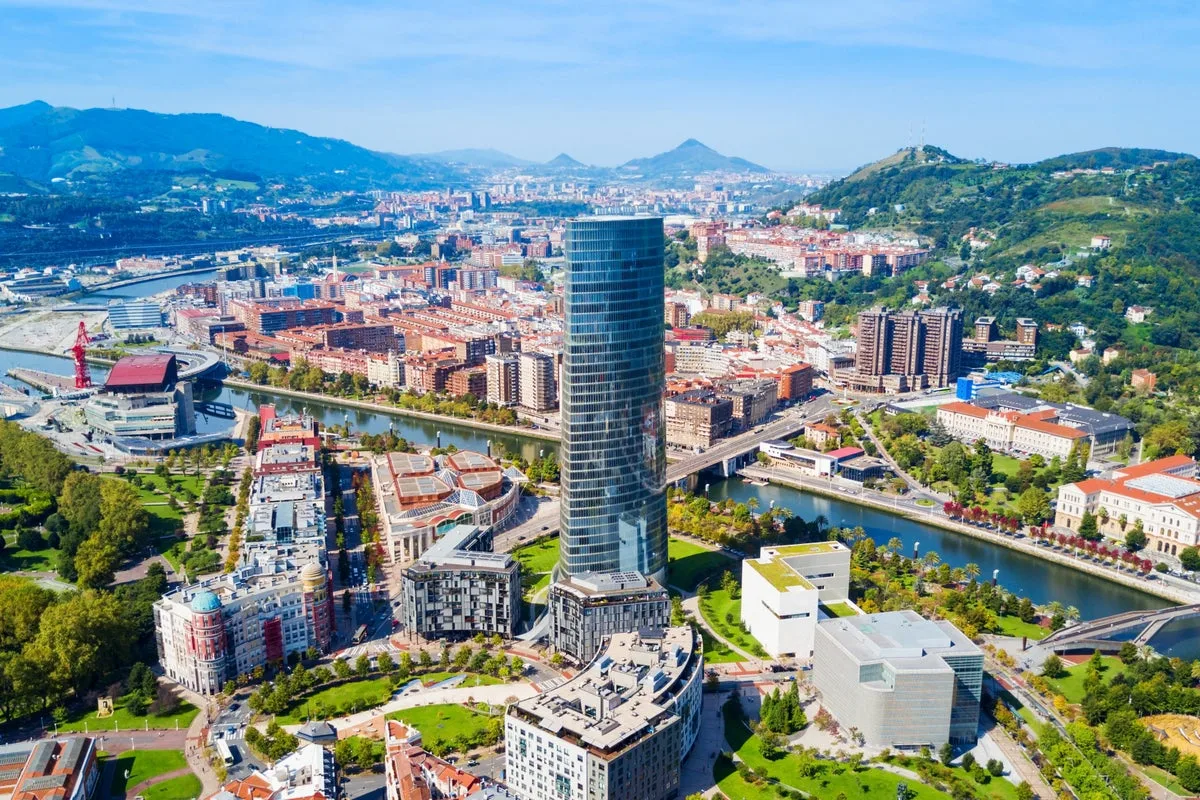
Found around 700 miles from the prime minister’s former patch, on the Nervión river which runs through Northern Spain ’s Basque Country to the Bay of Biscay, Bilbao was historically a thriving port city which became a hive of heavy industry in the 20th century.
But like many port cities around the United Kingdom, it suffered the harsh impacts of deindustrialisation in the years after the Second World War, hitting a nadir in the 1980s as shipyard and factory closures caused large-scale unemployment.
“During the 80s, because we were in a quite similar situation as Liverpool and other places in England,” Ivan Jiménez, president of the Port of Bilbao, tells The Independent.
“People used to say, ‘No opportunities, this is dead, the steel industry has died.’
“Here, in the 80s, I remember that we here had a 25 per cent unemployment rate. It was devastated.”
But the Bilbao of 2026 has come a long way since the 1980s, and its recovery will be of particular interest to the UK’s new prime minister .
Once home to the city’s maritime might, the banks of the river are now most notable for the Guggenheim museum, built in 1997 to become the ship-shaped symbol of its revival.
Between its opening and 2015, GDP in the city more than doubled as it pivoted from a declining steel and shipbuilding economy to become a hub of clean energy, advanced manufacturing and biotechnology, with tourism and culture becoming key economies.
5News aggregated this summary from the outlet’s public feed. The full article, with all the context, is on www.independent.co.uk — the content belongs to The Independent Politics.